
Table of Contents
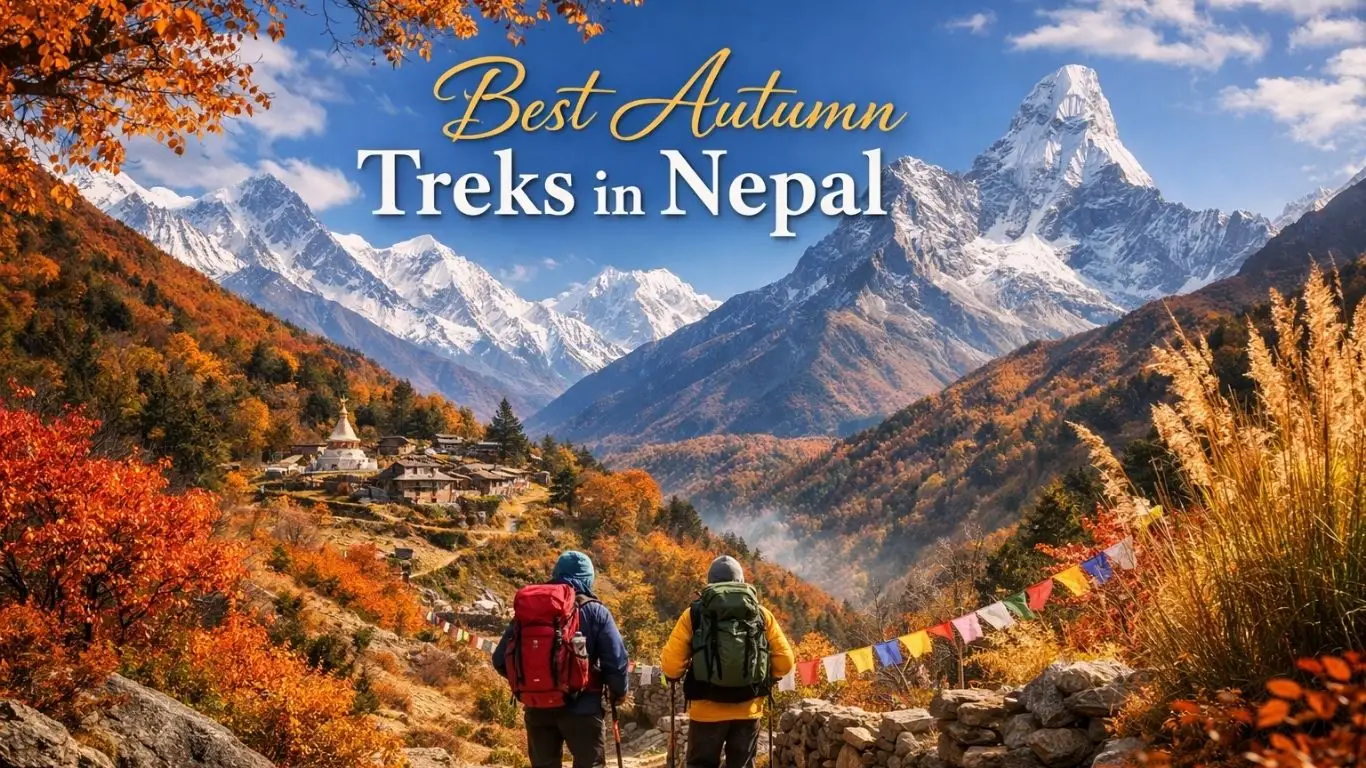
Best Autumn Treks in Nepal in 2026
04/01/2026
Autumn season in Nepal feels different. The air turns crisp,
the skies open up, and the Himalayas appear sharper, taller, and closer than
ever, and a vibrant and beautiful forest as trees prepare to shed them. After the
monsoon clears the dust and haze, the mountains step into full view: snow-capped,
dramatic, beautiful, and unforgettable. This is one of the best seasons for
trekking that every trekker dreams of.
In 2026, Nepal’s trekking routes will be more accessible
with better management and increasingly tailored for international travelers
seeking authentic yet comfortable adventures.
As a trekking guide with over 14+ years of guiding experience,
I carefully ranked and explained to help you choose the right route based on scenery,
difficulty, cultural depth, and seasonal conditions.
Why Autumn Is the Best Season for Trekking in Nepal
Autumn consistently delivers the ideal balance between weather,
visibility, and trail conditions. From a trekker's perspective, this season
checks every checkbox on a trekker’s checklist.
Clear skies dominate most days, especially in October and
early November. Daytime temperatures remain comfortable at lower and
mid-elevations, while nights remain manageable with proper gear. Trails dry out
after the monsoon, making high passes safer and river crossings more stable in
autumn.
Culturally, autumn adds another layer to the experience. In autumn,
Nepal’s two major festivals fall: Dashain and Tihar. Villages celebrate
these festivals with a noisy celebration, allowing trekkers to witness local
traditions, family gatherings, and vibrant village life along the trails.
How These Treks Were Selected for 2026
This list focuses on the best routes, especially during autumn.
Each trek is evaluated based on:
- Autumn
weather reliability
- Mountain
visibility and photography potential
- Trail
safety and condition
- Cultural
richness and village experience
- Popularity
vs overcrowding balance
- Suitability
for international trekkers in 2026
1. Everest
Base Camp Trek
The Everest Base
Camp Trek is one of Nepal’s most iconic routes, and autumn is the season when
it truly shines. Yearly, thousands of trekkers and climbers visit Nepal to
witness the world's highest mountain from all over the world.
From late September onwards, the
Kumbhu Region experiences long stretches of clear weather. Views of iconic
mountains: Everest, Lhotse, Ama Dablam, and Nuptse stay
consistently visible, especially in October. The trail atmosphere feels lively
but focused, with trekkers from around the world sharing their iconic journey
and memories.
Autumn also aligns perfectly with
festivals like Mani Rimdu, adding cultural depth to the trek. For
many international travelers, this route defines their Himalayan dream, and
autumn delivers it at its best.
Difficulty: Moderate
to challenging
Duration: 12–14 days
Max altitude: 5,364 m
2. Annapurna
Circuit Trek
If variety matters to you, then
the Annapurna Circuit Trek stands unmatched. In autumn, this
route transitions beautifully from green valleys to arid highlands.
Crossing Thorong La Pass becomes
far safer once the monsoon ends. Autumn skies provide uninterrupted views
of Annapurna II, Dhaulagiri, and Manaslu, while villages
like Manang feel calm yet welcoming.
Road access has improved in some
parts of the trekking route of the circuit, but the classic walking routes
still offer rewarding solitude when planned well. This trek should be at the
top of your list in the autumn season if you want landscape, culture, and
altitude in one journey.
Difficulty: Challenging
Duration: 14–18 days
Max altitude: 5,416 m
3. Manaslu
Circuit Trek
The Manaslu Circuit Trek delivers
you the raw Himalayan adventure without Everest-level crowds. Autumn stabilizes
river crossings, improves trail conditions, and makes the high Larkya
La Pass safer to cross.
This region feels untouched. Stone
villages, prayer flags, and ancient monasteries line the trail, while
Manaslu itself dominates the skyline. For trekkers seeking authenticity and
fewer distractions, autumn is the only season that truly unlocks Manaslu’s
potential.
Difficulty: Challenging
Duration: 14–16 days
Max altitude: 5,160 m
4. Annapurna
Base Camp Trek
The Annapurna Base Camp
Trek offers a powerful Himalayan experience without extreme altitude
or long commitments.
Autumn brings crystal-clear views
inside the Annapurna Sanctuary. Mornings feel calm, nights stay
cold but manageable, and the surrounding peaks glow at sunrise. The trail
infrastructure suits international travelers looking for comfort alongside
adventure.
This trek is exceptionally
well-suited for those with limited time who still want close-up mountain
immersion.
Difficulty: Moderate
Duration: 7–10 days
Max altitude: 4,130 m
5. Langtang
Valley Trek
Just north of Kathmandu, the Langtang
Valley Trek becomes a quiet favorite during autumn.
Clear skies reveal Langtang
Lirung and surrounding peaks, while Tamang villages offer genuine
cultural encounters. Autumn’s dry trails and comfortable temperatures make this
trek ideal for those avoiding flights and long transfers.
For travelers seeking a meaningful
yet less commercial trek, Langtang delivers consistently in September
and October.
Difficulty: Moderate
Duration: 7–9 days
Max altitude: 4,984 m
6. Mardi
Himal Trek
The Mardi Himal Trek has
grown in popularity, yet autumn still preserves its peaceful character.
Walking along narrow ridges with
uninterrupted views of Machapuchare feels surreal during clear autumn mornings.
This trek is for photographers, solo trekkers, and those wanting a
quieter alternative to Annapurna Base Camp.
Autumn weather keeps the ridges
safe and the panoramas wide open.
Difficulty: Moderate
Duration: 5–7 days
Max altitude: 4,500 m
7. Ghorepani
Poon Hill Trek
For beginners or short holidays,
the Ghorepani Poon Hill Trek remains unbeatable.
Autumn mornings reward early risers
with sweeping sunrise views over the Annapurna and Dhaulagiri ranges.
The trail stays well-maintained, villages feel lively, and the trek fits
comfortably into a week.
This route is especially
well-suited for families and first-time trekkers visiting Nepal in peak season.
Difficulty: Easy
Duration: 4–6 days
Max altitude: 3,210 m
8. Nar
Phu Valley Trek
The Nar Phu Valley Trek feels
inaccessible for most of the year, but autumn opens its doors.
Dry weather makes narrow trails and
high passes manageable. Ancient villages, medieval monasteries, and stark
landscapes dominate the journey. This trek suits experienced trekkers looking
beyond mainstream routes.
Autumn remains the safest and most
visually rewarding season for this region.
Difficulty: Challenging
Duration: 12–14 days
Max altitude: 5,320 m
9. Kanchenjunga
Base Camp Trek
In eastern Nepal, the Kanchenjunga
Base Camp Trek offers unmatched solitude.
Autumn stabilizes weather patterns
in this remote region, improving visibility and trail safety. The trek demands
endurance and commitment, but rewards trekkers with raw Himalayan wilderness
and authentic village life.
This route suits serious
adventurers seeking Nepal beyond the popular circuits.
Difficulty: Very
challenging
Duration: 20–24 days
Max altitude: 5,143 m
10. Lower
Dolpo Trek
The Lower Dolpo Trek opens
briefly in autumn before winter closes its high passes.
Turquoise Phoksundo Lake, ancient
Bon monasteries, and stark landscapes define this journey. Autumn provides the
clearest weather window and manageable temperatures for this demanding route.
For seasoned trekkers, Dolpo
represents Nepal at its most untouched.
Difficulty: Very
challenging
Duration: 18–22 days
Max altitude: 5,190 m
Best Autumn Treks by Difficulty
Easy:
Moderate:
Challenging:
·
Nar Phu Valley Trek
·
Kanchenjunga Base Camp Trek
What to Expect When Trekking Nepal in Autumn 2026
September kicks off the trekking season as the monsoon fades
and clear skies return. October delivers peak conditions and crowds, especially
on Everest and Annapurna routes. November offers fewer trekkers, colder nights,
and stunning clarity at higher elevations.
Lodges operate at full capacity, flights run more reliably,
and guided treks remain highly recommended due to demand.
Essential Tips for Autumn Trekking in Nepal
- Book
permits and guides early for October
- Pack
layered clothing for temperature swings
- Prepare
physically for sustained uphill walking
- Acclimatize
properly to avoid altitude sickness
- Choose
routes based on time, fitness, and crowd tolerance
Autumn Festivals You May Experience on the Trail
Trekkers often encounter Dashain celebrations in villages, marked by family gatherings and traditional rituals. Tihar lights up settlements with oil lamps, flowers, and music, adding warmth to autumn evenings in the mountains.
Frequently Asked Questions (FAQs)
Q: Is autumn the best season for trekking in Nepal?
A: Yes, autumn offers the most stable weather, clear skies, and safe trail conditions.
Q: Which month is best for trekking in autumn?
A: October provides the best balance of visibility and temperature, while November offers fewer crowds.
Q: Are autumn treks crowded?
A: Popular routes attract more trekkers, but lesser-known trails remain quiet.
Q: Do I need a guide in autumn?
A: For high-altitude or restricted treks, a licensed guide improves safety and experience.