Blog
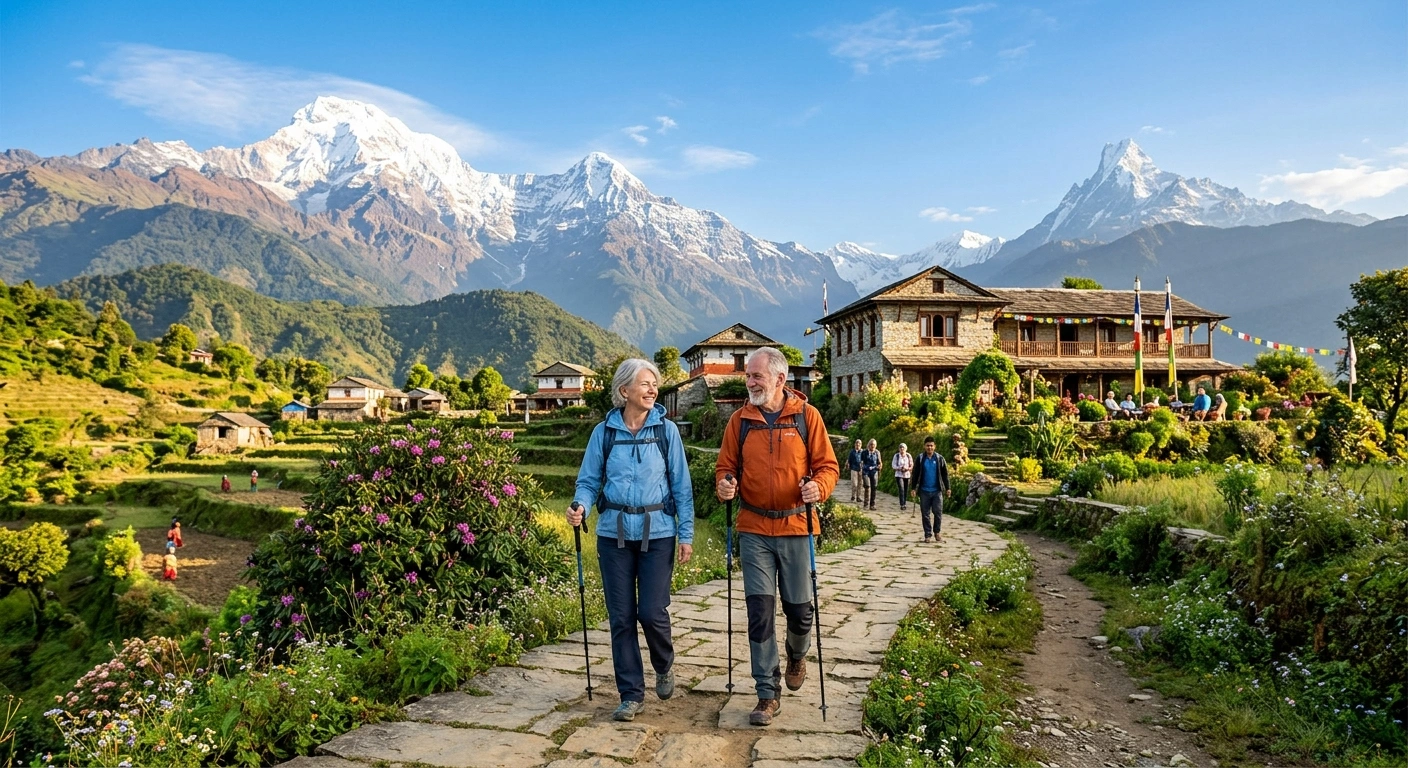
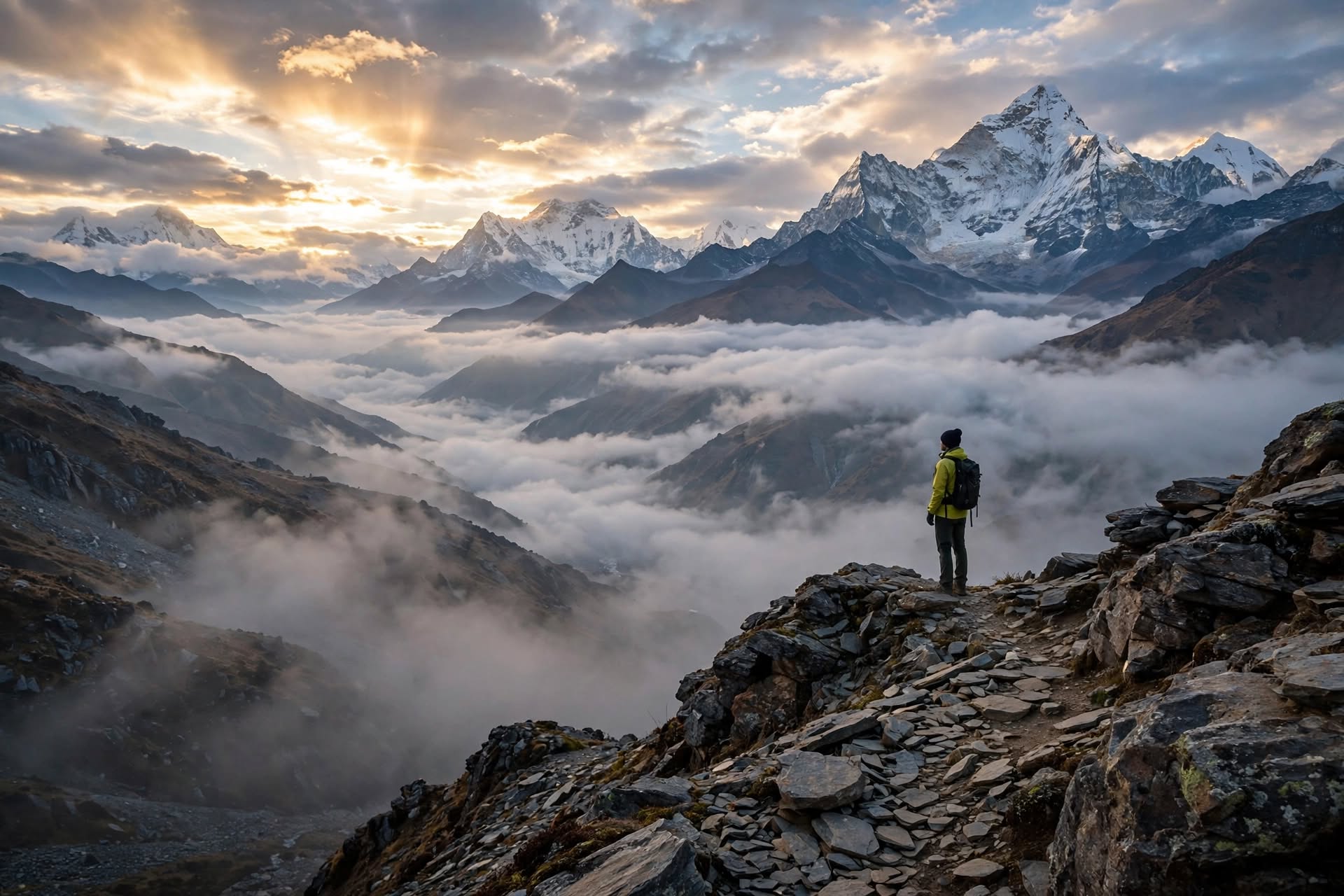
Trekker walking on a remote mountain trail in Nepal with wide Himalayan views

Treks That Show a Different Side of Nepal

19/03/2026

Many travelers arrive in Nepal with one clear picture in mind: snowy peaks, famous base camps, and long lines of trekkers moving along well-known trails. That image is real, but it is only one part of the country. Once you leave the popular routes, Nepal begins to feel very different.

In quieter mountain regions, the pace changes. Villages become smaller, trails feel more personal, and each day reveals something that does not always appear in guidebooks. You hear local conversations instead of crowd noise, pass through valleys where daily life still follows old rhythms, and experience landscapes that shift dramatically from one district to another. That is why some treks leave a stronger impression than others. They do not just show mountains. They show culture, contrast, and a side of Nepal that many visitors miss.

Why Some Trekking Routes Feel Completely Different

Popular trekking routes are famous for good reason. They offer beautiful views, reliable infrastructure, and a strong sense of adventure. However, less-traveled trails often create a deeper connection because they introduce travelers to places where tourism has not shaped every part of daily life.

You may walk for hours without seeing another trekking group. A local tea house becomes more than a stop for food because conversations happen naturally. Even simple moments, like watching farmers work in high mountain fields, stay in memory longer than expected. This difference often changes how visitors understand Nepal. Instead of seeing only dramatic scenery, they begin to notice how diverse the country truly is.

Remote Trails Reveal More Than Mountain Views

Several trekking regions in Nepal offer this kind of experience. These places are not always the first choice for first-time trekkers, yet they often become the most memorable.

Upper Mustang Feels Unlike Anywhere Else in Nepal

Upper Mustang surprises many travelers because the landscape looks completely different from greener Himalayan routes. Dry cliffs, wind-shaped valleys, and ancient settlements create a strong sense of entering another world.

The old villages still preserve traditions that have remained strong for generations. Monasteries stand quietly above narrow paths, while prayer walls stretch along village entrances. As a result, trekking here feels both cultural and scenic at the same time.

The route also changes how people think about Nepal because many expect forests and snow, yet find desert-like terrain surrounded by high mountains.

Dolpo Offers Silence That Is Rare on Popular Trails

Dolpo remains one of Nepal’s most remote trekking regions. The long walking days, limited settlements, and wide open landscapes create a powerful sense of distance from modern routine.

Unlike busy trekking routes, Dolpo gives travelers long stretches of silence. Lakes, rocky passes, and old Buddhist villages shape the journey naturally. Because fewer trekkers visit this region, the atmosphere stays raw and authentic. That often becomes the reason many experienced trekkers describe Dolpo as unforgettable.

Humla Shows Daily Life in Remote Himalayan Communities

Humla offers a different perspective because village life becomes a major part of the trekking experience. Trails pass through isolated settlements where daily routines continue without depending heavily on tourism. Children walk long distances to school, local traders move supplies through mountain paths, and prayer flags mark entrances to villages.

This type of trekking creates stronger cultural understanding because the route itself passes through living communities rather than only scenic viewpoints.

The Landscape Changes More Than Most Travelers Expect

One reason remote treks feel special is the constant change in terrain. A single journey may begin in a green forest, continue through rocky valleys, and end near high mountain passes. This variety keeps trekking exciting because every few hours the surroundings feel new.

In many remote regions, weather and altitude also shape the day more clearly. Morning light often reveals distant peaks, while afternoon winds change the mood of the trail. Because of this, each day carries its own identity instead of repeating the same scenery.

Local Culture Becomes Part of the Trek

On less crowded routes, culture does not sit separately from the journey. It appears naturally throughout the day. You may stop for tea inside a family kitchen, hear local stories from lodge owners, or pass ancient mani walls built long before trekking became common. These details matter because they make trekking feel personal.

In some villages, traditional farming still shapes everyday life. In others, old trade history still influences local identity, especially near former cross-border routes. That is often the moment when travelers realize Nepal is not only a destination for mountains. It is also a place of strong local character.

Fewer Crowds Often Lead to Better Experiences

Crowded trails can still be enjoyable, but quieter routes often allow deeper focus.

Without constant movement around you, simple things become more noticeable:

  • Footsteps on dry trails
  • River sounds below steep paths
  • Prayer flags moving in strong wind
  • Distant bells from grazing animals

These moments often become the strongest memories because they feel natural rather than scheduled. At the same time, quieter routes give guides more room to explain local places properly, which helps travelers understand what they are seeing.

Why Experienced Trekkers Often Return for Hidden Routes

Many trekkers begin with famous destinations such as Everest Base Camp or Annapurna Circuit. Later, they return because they want something less predictable.

Remote trails answer that need.

They often require more preparation, but they reward travelers with stronger variety, deeper local contact, and more distinct landscapes. That is why repeat visitors often choose restricted or lesser-known routes after completing classic treks.

Trekking in Nepal Is Not Only About Famous Names

Well-known routes deserve their reputation, yet Nepal offers far more than its most searched trekking names. The country changes dramatically from west to east and from valley to valley. Some treks feel spiritual, others feel wild, and still others feel deeply connected to ancient Himalayan history. Travelers who explore beyond popular routes often leave with a broader understanding of Nepal itself.

Choosing the Right Trek for a Different Experience

If the goal is to see another side of Nepal, the route you choose matters.

Look for treks that offer:

  • smaller villages
  • restricted area access
  • fewer commercial stops
  • mixed terrain
  • strong cultural presence

This usually leads to a more layered trekking experience. Agencies like us, Nepal Boundary Trekking Agency Pvt, Ltd., often design routes that focus on these deeper experiences, especially in remote mountain regions where planning matters more.

Some Journeys Stay Longer Than the Summit View

A mountain view can be unforgettable, but often it is the unexpected details that stay longer. A quiet monastery above a valley, a shared meal in a stone house, or an empty trail at sunrise can change how a traveler remembers Nepal.

That is why certain treks do more than show scenery. They reveal parts of the country that feel genuine, quiet, and deeply human. When that happens, Nepal no longer feels like only a trekking destination. It begins to feel much larger, more diverse, and far more personal.

Local guide helping trekker on steep Himalayan trail

How Local Guides Improve Your Trekking Experience

16/03/2026

When people plan a trek in Nepal, they usually start with the destination. Some want to stand at Everest Base Camp, some look toward Annapurna Base Camp, and others prefer the quieter trails around LangtangValley. The route gets most of the attention at first, but one thing often gets overlooked, and that is the person guiding the journey.

A lot of trekkers think a guide is there mainly to show the direction. In reality, a local guide usually influences almost every part of the trek, from how comfortable the day feels to how safely you move at altitude and even how much you actually understand what you are seeing around you.

Nepal’s mountain trails can look simple when viewed on maps or social media videos, but once you are actually walking for several hours a day, small details start mattering a lot more than expected. Trail timing, weather shifts, local tea house availability, and even knowing when to slow down can change how the whole trek feels.

That is where local guides make a real difference, and honestly many trekkers only fully understand that after the first few days on the trail.


Local guides understand the trail beyond what maps can tell you

A trekking map gives distance, elevation, and route lines. It helps, but it never tells the full story.

For example, two sections on a map may look equal in distance, yet one might take much longer because of steep stone steps, wind exposure, or trail traffic. A local guide usually knows this before the day even starts.

That practical understanding helps you manage the trek better without feeling rushed.

On popular routes, especially around Namche Bazaar, local guides often know which sections become crowded later in the morning and which parts feel easier if crossed earlier. These things sound small, but after several trekking days they really begin to matter.

Weather is another reason local knowledge helps a lot.

In Nepal, mountain weather can shift quickly. A morning that starts bright may turn cloudy before lunch, and a clear trail can feel very different once wind starts picking up. A local guide usually notices patterns that visitors often miss.

Sometimes they suggest leaving earlier than planned, not because the distance is long but because clouds often build after midday in certain sections.

That kind of decision often saves energy and improves the overall day without trekkers even realizing why it worked so well.


Local guides help you move more safely at high altitude

Altitude affects everyone differently, even people who feel physically fit.

This is one of the biggest reasons many trekkers feel more confident with a local guide. A guide does not just walk beside you. They keep noticing small things throughout the day.

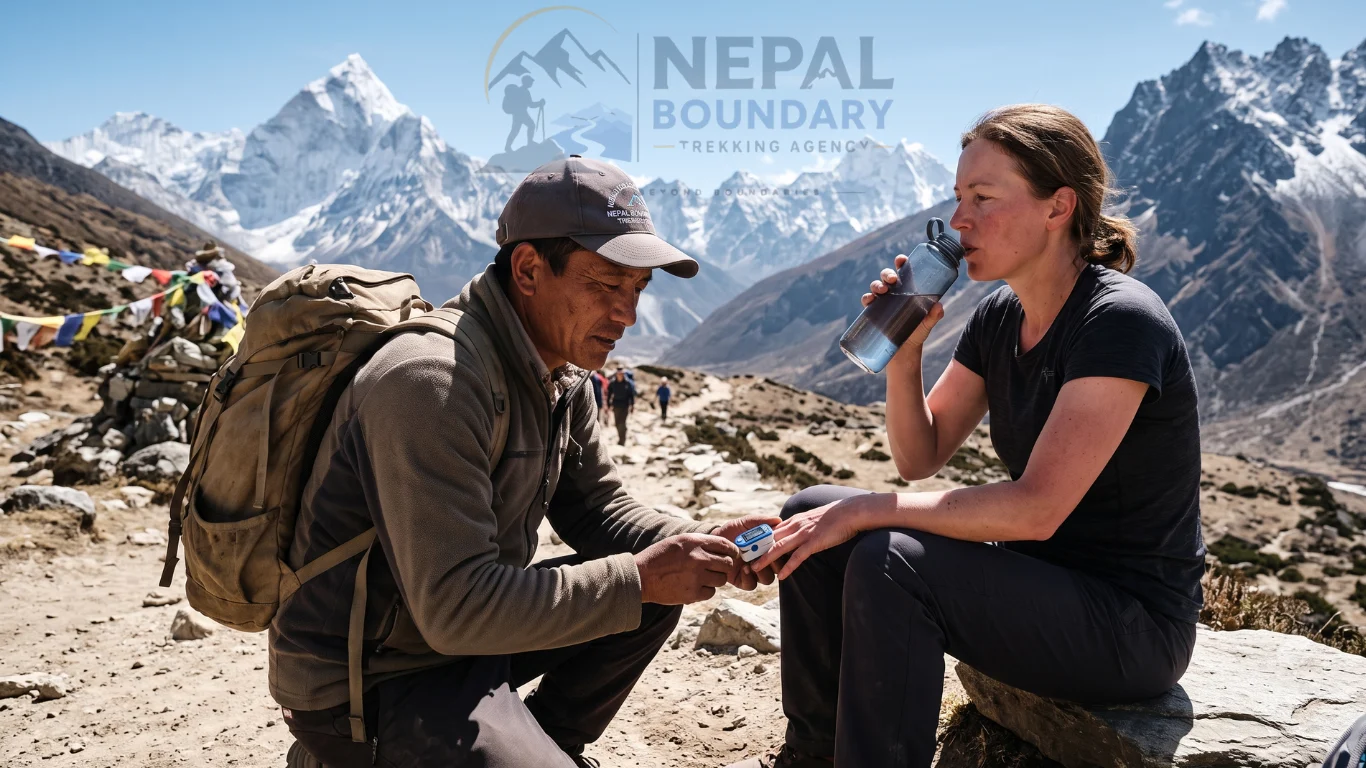
Someone may become quieter than usual, drink less water, walk too fast, or start breathing differently on a climb. A local guide often notices these signs early because they have seen similar patterns many times before.

That early attention matters because altitude problems usually start with small symptoms.

Instead of waiting until discomfort becomes obvious, guides often suggest slowing down, taking a longer break, or drinking more fluids before the situation gets worse.

This feels natural during the trek because they rarely make it dramatic.

On higher sections, especially when trekkers move above 3,500 meters, pacing becomes more important than speed. Many people arrive in Nepal excited and energetic, but that same energy can work against them if they push too hard early.

A guide helps control that rhythm.

They know when a short climb should stay slow and when a flatter section allows slightly faster walking. That pacing keeps the body adapting gradually, which usually makes the following day easier too.

And sometimes what looks like a short distance on paper feels longer in thin air than people expect.


A guide makes the cultural side of trekking much richer

Nepal is not only about mountains. Every trail passes through villages, traditions, local beliefs, and daily life that most travelers would otherwise only partly understand.

Without a guide, many people admire what they see but miss why it matters.

A local guide explains these details naturally while walking.

For example, when passing prayer walls or mani stones, guides often explain why trekkers should walk on a certain side. Near monasteries, they may describe what prayer flags represent or why certain symbols appear repeatedly in mountain villages.

These are details many people do not learn from travel blogs.

And because guides usually come from Nepal themselves, they often add personal stories that make those explanations feel more real.

Sometimes they talk about how mountain families prepare for winter. Sometimes they explain school life in remote villages or how food gets transported in higher settlements.

Those conversations often happen casually during tea breaks, but later they become some of the most memorable parts of the trek.

A mountain view stays in photos, but local stories often stay in memory longer than expected.


Local guides solve problems before they become stressful

Trekking rarely goes exactly as planned, even on well-known routes.

Flights get delayed, weather changes, tea houses fill up faster than expected, and sometimes walking speed changes more than expected after lunch.

A local guide handles many of these things quietly in the background.

For example, if accommodation becomes busy during peak trekking season, guides often speak ahead and arrange rooms early. Without that, trekkers sometimes arrive tired and then spend extra time searching for available space.

That can feel exhausting after a full day of walking.

Guides also help when transport changes suddenly.

This happens often near Lukla Airport where flights depend heavily on weather. A local guide usually already understands how these delays work and what realistic alternatives exist.

Instead of guessing what to do next, trekkers receive practical options quickly.

That alone removes a lot of unnecessary stress.


They help you use your energy better each day

A lot of first-time trekkers think energy mostly depends on fitness. Fitness matters, but daily choices matter just as much.

A guide helps you use energy more wisely.

They usually know where short breaks help most, when lunch should happen, and which sections feel harder than they first look.

Sometimes trekkers feel strong early and want to continue quickly, but guides often know that saving strength for the final hour makes the whole day feel easier.

That becomes very noticeable during longer trekking routes.

For example, a climb that starts gently may finish with steep stone sections. A guide often adjusts pace before reaching that point so people still feel balanced later.

And honestly, many trekkers only realise later that they finished the day feeling good because somebody quietly managed the rhythm all day.

Local guides know viewpoints many people walk past

Some of the best moments in Nepal are not always the biggest landmarks.

A local guide often points out places that many trekkers would simply pass by.

This could be a quiet ridge where morning light hits the mountains perfectly, a village corner with a wider valley view, or a short stop where the mountain suddenly opens in a way that photos do not fully capture.

Timing matters here too.

The same viewpoint can look ordinary at one hour and amazing an hour later depending on light and clouds.

A guide usually knows this through experience, not guesswork.

That is why many people return with photos that feel more varied than expected, even though they followed the same main trail as everyone else.


Trekking feels mentally lighter when somebody knows the route well

Even confident travelers feel uncertain sometimes in remote mountain areas.

A long uphill section, changing weather, or simply not knowing how far remains can quietly affect confidence.

A local guide reduces that mental pressure without making it obvious.

You do not keep checking every trail split. You do not wonder whether a cloud build-up means something serious. You do not need to think constantly about where lunch happens or whether the next tea house still has space.

This mental ease changes the trekking experience more than many people expect.

People often enjoy the scenery more when they stop worrying about the practical side every hour.

That is probably why guided treks often feel less tiring emotionally, even when the physical route stays the same.


Local Guide vs Trekking Alone

Factor

With Local Guide

Trekking Alone

Safety

Continuous local support on the trail

Full responsibility stays with the trekker

Route Knowledge

Real understanding of current trail conditions

Depends mostly on maps and apps

Cultural Experience

More local stories and context

Limited local interaction

Problem Solving

Faster practical help

More difficult in remote areas

Confidence

Stronger comfort during route changes

More uncertainty in unfamiliar sections


How to choose the right local guide in Nepal

Not every guide offers the same kind of trekking experience, so choosing carefully really matters before you book.

A good starting point is checking whether the guide or trekking company has proper government registration in Nepal. A licensed guide usually has route training, safety understanding, and practical field experience that becomes very important once you are in higher mountain areas.

It also helps to read recent reviews instead of only older testimonials. Travelers often mention things that actually matter on the trail, like whether the guide adjusted pace well, handled altitude issues calmly, or communicated clearly during difficult weather.

Before booking, ask simple but practical questions such as:

  • How many years have you guided this route
  • What happens if flights get delayed
  • How do you handle altitude sickness if someone feels weak
  • Is the guide familiar with this route in the current season

The way a company answers usually tells you a lot. Clear answers often show they know exactly what they are doing.

A company like Nepal Boundary Trekking Agency Pvt. Ltd. usually builds trust when communication feels direct and honest before the trek even starts. That first impression matters more than many people expect because once you are already on the trail, you depend on those small decisions every day.

And honestly, many trekkers only realise after a few days in the mountains that the guide is not just there for direction. Sometimes its the guide who notices you need to slow down before you even say anything. Sometimes they know which tea house has the warmest dining room, or where the weather usually changes after noon.

Those little things are hard to plan from a website or travel video.

Even on famous routes like Everest Base Camp, where thousands of people walk every season, the trek still feels very different depending on who walks with you. A local guide often makes the route feel less mechanical and more personal, because there is always something happening around the trail that only someone local notices first.

And after a few days, many trekkers stop thinking of the guide as just part of the package. The guide becomes part of the memory too, which probably explains why people often remember certain conversations from the trail almost as clearly as the mountain views itself.

Local Nepali trekking guide walking with foreign trekkers in Himalayan trail

Why Book with a Local Trekking Company Instead of International Agencies

15/03/2026

Planning a trek in Nepal feels exciting, but choosing who should organize your trip often becomes the hardest part. Many travelers first discover large international travel agencies because those brands appear everywhere online. Their websites look polished, their marketing feels familiar, and the booking process seems easy. However, once you look deeper, you often find that a local trekking company offers more practical value, stronger support, and a much richer travel experience.

Nepal attracts trekkers from around the world because of iconic routes like Everest Base Camp, Annapurna Base Camp, and Langtang Valley. These treks take you through remote mountain villages, changing weather conditions, and high-altitude terrain where local knowledge matters every single day. Because of that, the company you choose directly affects how smoothly your journey goes.

Although international agencies often look appealing at first, many of them rely on local operators in Nepal to deliver the actual trekking service. That means your guide, porter, accommodation coordination, permits, and daily logistics may still come from a Nepal-based company. Therefore, booking directly with a local trekking company often removes unnecessary layers and gives you direct access to the people who actually manage your trip.

If you are comparing options before booking your next Himalayan adventure, understanding the real differences can help you make a smarter decision.

Local trekking companies understand Nepal in real conditions

A local trekking company works in Nepal every day. That may sound obvious, but it creates a major advantage for travelers.

Trekking conditions in Nepal change quickly depending on season, altitude, weather, and trail traffic. A route that looks simple in spring may become challenging after rainfall or snowfall. Local operators monitor these changes constantly because their guides and field teams stay active on the trails throughout the year.

For example, during the trekking season, local teams often receive immediate updates about tea house availability, landslides, delayed domestic flights, or route diversions. International agencies usually depend on second-hand updates, while local operators often hear these details directly from guides already on the route.

As a result, local companies can adjust itineraries quickly when conditions shift.

In addition, local guides explain far more than just trail directions. They introduce you to mountain culture in a natural way. While walking through villages, they share local customs, explain Buddhist symbols, describe seasonal farming practices, and help you understand everyday life in the Himalayas.

That local perspective often becomes one of the most memorable parts of the journey.

You usually get better value for your money

Price matters to almost every traveler, especially when planning a multi-day trek in Nepal. Yet many people focus only on the first number they see without understanding how pricing works behind the scenes.

International agencies often add administrative layers, marketing costs, overseas staffing costs, and commission margins before sending the booking to Nepal. That raises the total price even when the ground service remains the same.

By contrast, a local trekking company usually offers direct pricing because the same team handles planning, permits, guide coordination, and field operations.

This does not always mean the cheapest option, but it often means better value.

For example, when you book directly, you can usually discuss:

  • hotel category before and after the trek
  • private transport options
  • porter arrangements
  • meal preferences
  • extra acclimatization days
  • flexible return schedules

That level of customization becomes much harder when multiple agencies sit between you and the actual operator.

Furthermore, local companies often explain exactly what your package includes. This transparency helps you avoid unexpected costs later.

Local guides often improve the trek far beyond logistics

A good guide does much more than lead the trail.

In Nepal, local guides often shape the emotional quality of the trek itself. They know where to pause for the best mountain views, when to leave early for clear weather, and how to pace the day according to altitude.

This becomes especially important at higher elevations near Kala Patthar or other demanding viewpoints where small timing decisions affect both comfort and safety.

Moreover, local guides understand how different trekkers respond to altitude. Some people walk strongly at lower elevations but struggle above 3,500 meters. Others need slower pacing earlier than expected.

Because local guides see these patterns regularly, they often make small adjustments before problems become serious.

They also build stronger human connections during the journey.

Many travelers remember conversations with guides more vividly than the itinerary itself because those conversations reveal the personal side of Nepal, including family life, education, mountain traditions, and local history.

That human element rarely appears in a brochure, but it often defines the trip.

International agencies often use local operators anyway

This is one of the most overlooked facts in trekking tourism.

A large number of international agencies do not directly run trekking operations inside Nepal. Instead, they partner with Nepal-based trekking companies that handle all local logistics.

That means:

  • local companies secure permits
  • local companies assign guides
  • local companies arrange porters
  • local companies manage transport
  • local companies solve emergencies

In many cases, the traveler pays significantly more while receiving the same field service.

Therefore, booking directly often gives you the exact same operational support while removing unnecessary communication layers.

It also creates faster answers before the trip.

When you ask a local operator a question about weather, permits, domestic flights, or accommodation, you often receive answers from people who manage these details daily.

That direct communication reduces confusion and builds trust early.

Local Company vs International Agency

Factor

Local Trekking Company

International Agency

Price

Direct rates with fewer added costs

Higher overall pricing because of commission layers

Flexibility

Easy itinerary adjustments

Changes often require multiple approvals

Guide Quality

Route-specific local experience

Often outsourced to local teams

Local Impact

Supports Nepal directly

A large share leaves Nepal

Communication

Direct trip coordination

Often filtered through sales teams

This comparison helps travelers understand why many experienced trekkers prefer local booking after their first visit to Nepal.

Your booking directly supports Nepal's mountain economy

Tourism supports thousands of families across Nepal, especially in trekking regions.

When you book through a local trekking company, a larger share of your payment stays inside Nepal. That money directly supports:

  • guides
  • porters
  • drivers
  • tea house owners
  • local food suppliers
  • small village businesses

This creates real economic impact in mountain communities where tourism often remains the main source of income.

For example, villages along major trekking routes depend heavily on seasonal visitors. Every booking contributes to local livelihoods beyond the company itself.

Additionally, local operators often maintain long-term working relationships with mountain staff. That helps create more stable employment across trekking seasons.

Travelers increasingly care about responsible tourism, and direct local booking often aligns better with that goal.

Communication with local companies has improved greatly

Some travelers still assume communication may feel difficult with local operators. That idea no longer reflects reality.

Today, many local trekking companies respond quickly through:

  • email
  • WhatsApp
  • video calls
  • direct booking forms

In fact, because local companies often communicate directly with travelers, responses can feel more personal than larger agency systems.

Instead of speaking with a general sales department, you often talk directly to someone involved in trip planning.

That means your questions receive practical answers instead of generic sales replies.

You can ask about:

  • weather windows
  • food options
  • fitness level
  • permit timelines
  • airport pickup
  • gear rental

As a result, you understand the trip more clearly before arrival.

Local companies adapt faster when plans change

Mountain travel always carries uncertainty.

Flights to Lukla Airport often shift because of weather. Road conditions change during monsoon periods. Trekking speed varies by person.

When changes happen, local companies often solve problems faster because their team already operates inside Nepal.

For example, if a flight delay affects your schedule, a local operator may quickly:

  • adjust accommodation
  • shift guide timing
  • reorganize permits
  • revise route pacing

International agencies often need extra communication before approving these changes.

That delay can create stress during travel.

Direct local support usually reduces that friction.

How to choose a reliable local trekking company

Not every local company offers the same quality, so choosing carefully still matters.

Start by checking legal registration in Nepal. A professional operator should clearly show registration details and tourism licensing.

Then read recent reviews, not just older testimonials.

Look for comments about:

  • guide professionalism
  • communication quality
  • safety handling
  • itinerary honesty
  • service consistency

You should also ask clear pre-booking questions.

For example:

  • Who will guide the trek?
  • What happens during flight delays?
  • Which permits are included?
  • Is emergency support available?

Reliable companies answer clearly and confidently.

A professional company like Nepal Boundary Trekking Agency Pvt. Ltd. benefits from showing this transparency because travelers increasingly compare trust signals before booking.

Conclusion

Choosing between a local trekking company and an international agency affects far more than price.

It shapes communication, flexibility, cultural depth, and how smoothly your trek runs in real mountain conditions.

International agencies may offer convenience at first glance, yet local operators often deliver stronger practical value because they handle the real work on the ground.

You also gain direct access to local knowledge, faster decisions, and a closer connection to Nepal itself.

For many trekkers, that direct connection becomes one of the most rewarding parts of the entire journey.

And when you stand on a high trail looking toward the Himalayas, the quality of the team beside you often matters just as much as the destination itself.

Boudhanath stupas in Kathmandu, Nepal - a UNESCO World Heritage Site and one of the largest Buddhist stupa in the world, with colorful prayer flags and a serene spiritual ambiance.

Discovering Kathmandu: A Journey Through Nepal’s Cultural Heart

20/06/2025

Located in the heart of the Himalayas, the capital of Nepal, Kathmandu, is more than just a vibrant tapestry of culture, history, spirituality, and a gateway to treks. It's a living, breathing city. If you are someone who loves discovering unique cultures, vibrant street life, and hidden temples, then Kathmandu will blow your mind

First Impressions: Chaos Meets Charm

As soon as you land in Kathmandu, except a sensory overload. Traffic honks echo through narrow streets, and the air smells like a mix of incense and dust, and the city pulses with life. But stick around for a while, and the city slowly reveals its magic. Prayer flags flutter in the wind, Monks hmmm.. chant softly in the distance, and locals greet you with warm smiles. It is an unexpected contrast that makes the Kathmandu Valley attractions so unforgettable.


Must-Visit Places in Kathmandu


1. Swayambhunath Stupa (Monkey Temple)

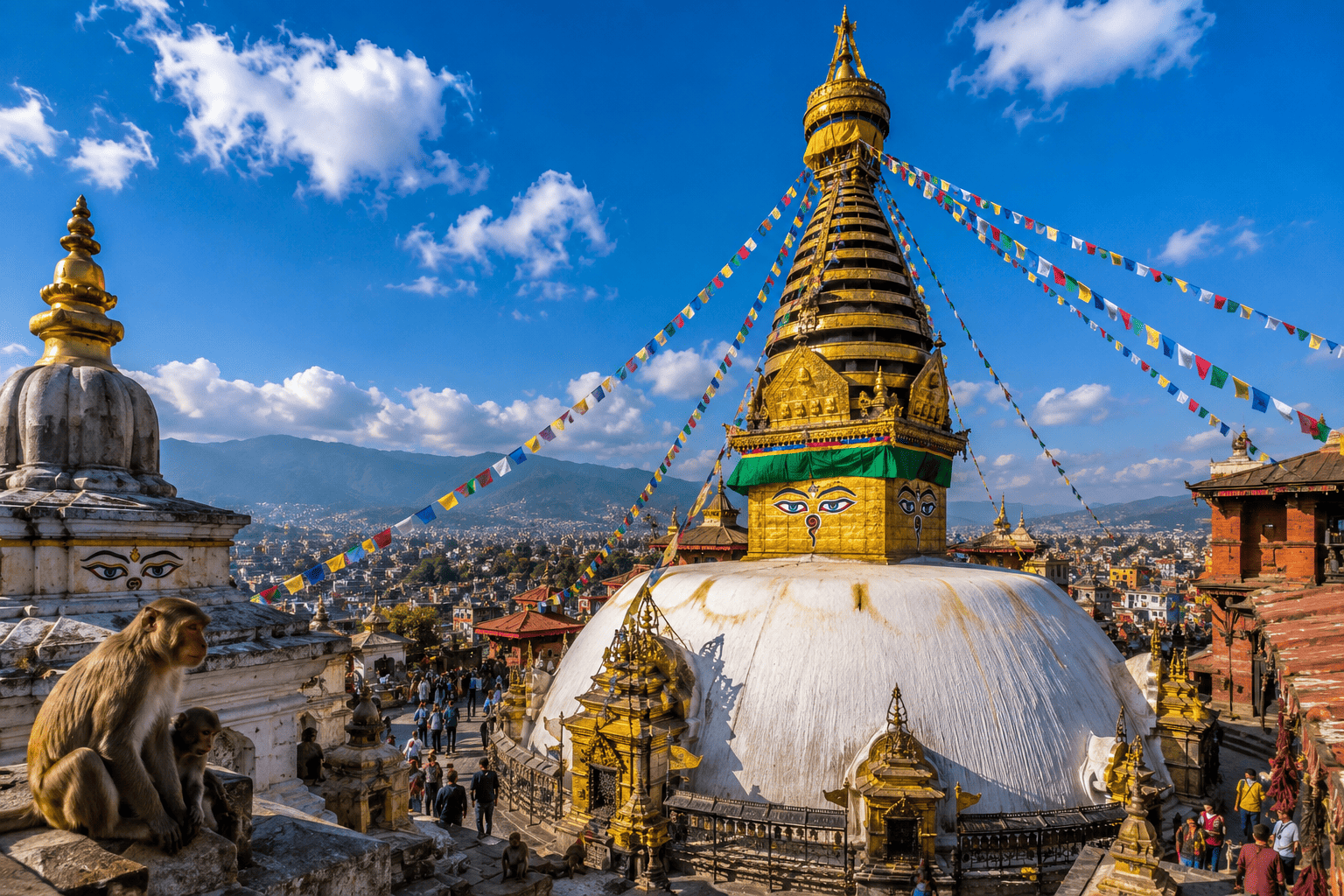
This ancient stupa sits proudly on a hilltop, offering a panoramic view of the Kathmandu Valley. As you climb the stairs (alongside cheeky monkey), the city opens up below you. With eyes watching in all four directions, the stupa itself is rich in symbolism. Sunset from here is absolutely magical. 


2. Pashupatinath Temple

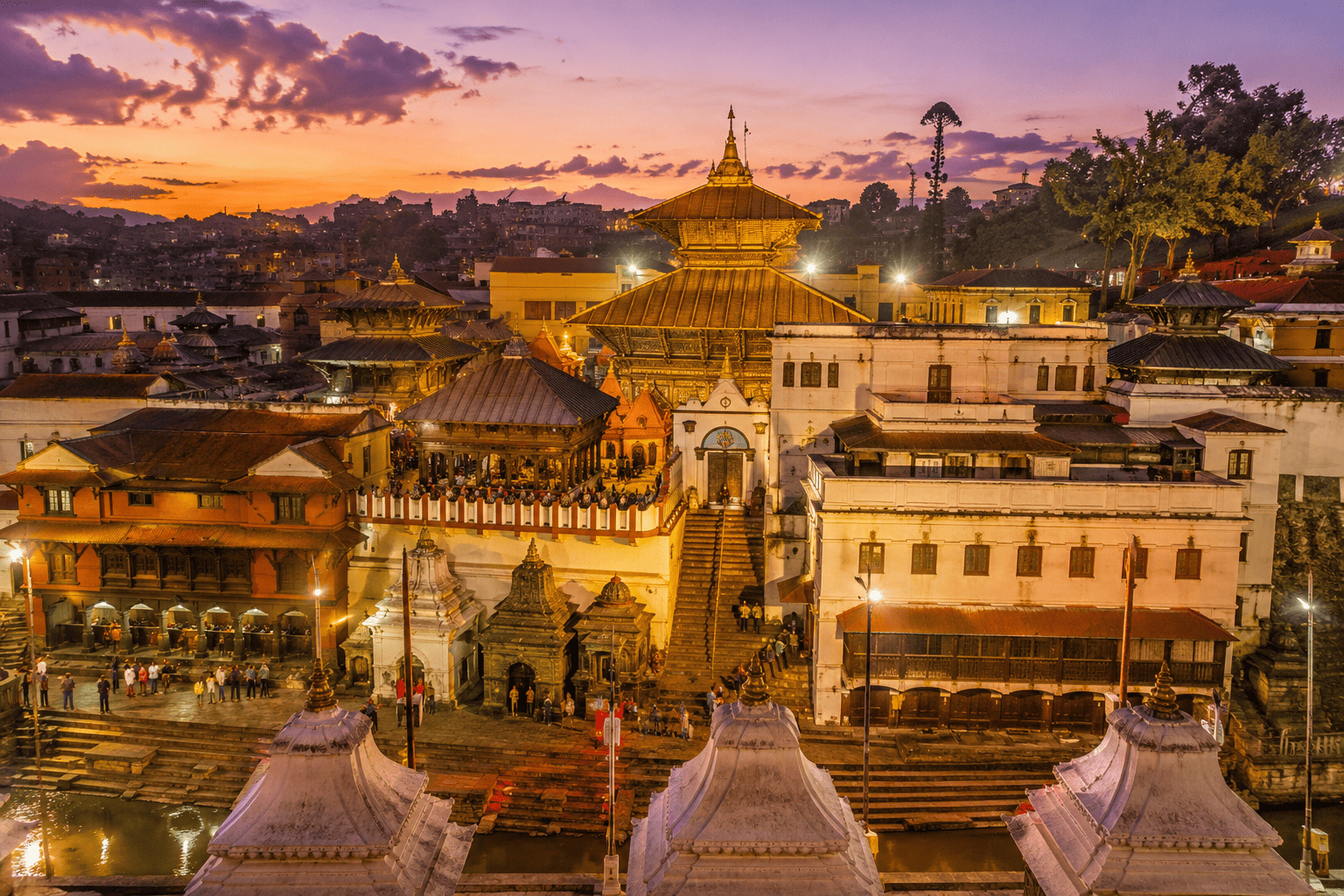
A UNESCO World Heritage Site, Pashupatinath is one of the most sacred Hindu temples in the world. Join the crowd at dusk for the evening aarti, a stunning fire and chanting ritual by the Bagmati River. Even if you're not religious, the atmosphere is deeply moving.


3. Boudhanath Stupa

This massive stupa is the heart of Tibetan Buddhism in Nepal. It's the perfect place to slow down and reflect. Walk clockwise with the monks, spin the prayer wheels, and absorb the peaceful energy. Surrounded by Tibetan shops and cafes, Boudhanath is a center of Tibetan Buddhism in Nepal.


4. Kathmandu Durbar Square

This historical square showcases exquisite Newar architecture, centuries-old temples, courtyards, and palaces. Despite damage from the 2015 earthquake,  it still holds royal grandeur and remains a cultural hub.


Food in Kathmandu: A Flavorful Adventure

A journey for the taste buds, Kathmandu's culinary scene reflects its cultural melting pot. From spicy food to cozy traditional eateries, there's something for every palate.

Must-try: 

1. Street Momos at Asan Bazar (hot and juicy)

2. Newari Dishes with buffalo meat and spicy pickles

3. A fresh brew at Himalayan Java Cafe for the caffeine fix

4. Vegan and Vegetarian dishes at Samyak in Thamel

Explore Thamel City: Souvenirs and Spirituality

Thamel is the beating heart of Kathmandu’s tourism. It’s where you’ll find everything from yak wool scarves and singing bowls to trekking gear and traditional thangka paintings. Bargaining is part of the culture—so negotiate with a smile!


Tips for a Smooth Visit

  • Dress modestly, especially at temples and religious sites.

  • Be prepared for power cuts and occasional water shortages.

  • Carry a mask, especially during the dry season—dust and pollution can be intense.

  • Respect local customs, especially around sacred spaces.


Final Thoughts: A City That Stays With You

Kathmandu doesn't try to impress you with polish; it wins you over with soul. It's the ancient stalls, the sound of bells echoing at sunrise, and people who make you feel at home. It's not just a stopover; It's a story that you'll carry forever. 

So, if you are ready for the wild, the sacred, and the unexpected, pack your bags and head to Kathmandu. The capital of Nepal is calking.

Everest Base Camp Trek

Everest Base Camp Trek - A Once-in-a-Lifetime Journey to the Foot of the World's Highest Peak

20/06/2025

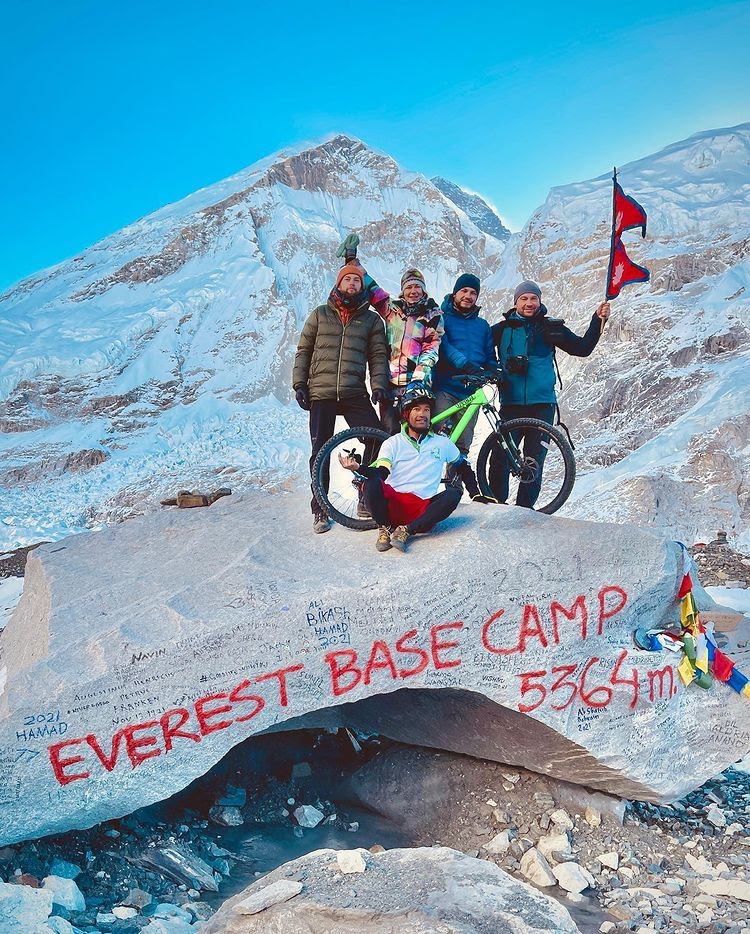
The Mount Everest Base Camp Trek is one of the most unforgettable and beautiful journeys you can take in Nepal. It leads you into the heart of the Himalayas and offers you breathtaking views, rich Sherpa culture, and that once-in-a-lifetime moment of standing at the foot of the world’s highest peak (5,364m). This trek takes both your breath and heart away, literally and emotionally, at an elevation of Everest Base Camp.

Along the trail, you’ll pass through villages like Namche Bazar, Tengboche Monastery, and Kala Patthar. The temperature of Everest Base Camp can drop below freezing, especially at night. So, packing right is the key to comfort and safety.

When it comes to planning, many people wonder about the cost of the Mount Everest Base Camp Trek. The cost varies depending on your trekking style, like guided group tours, solo treks with porters, or luxury packages. On average, you can expect the total cost to range from $1,500 to $2,500, including a Domestic flight (Kathmandu-Lukla-Kathmandu), a licensed trekking guide and porter, all necessary trekking permits, meals (breakfast, lunch, dinner), and airport transfer.


 Why Trek to Everest Base Camp?


  * Standing at the Foot of the World's Highest Peak, Mount Everest.

  1.   * Walk in the footsteps of legendary climbers like Edmund Hillary and Tenzing Norgay.
  * Experience the stunning scenery of the Khumbu region and Sagarmatha National Park.

  * Visit iconic places like Namche Bazaar, Tengboche Monastery, and Kala Patthar (5,545m).

  * Witness the unique Sherpa culture and Buddhist traditions along the trail.

📍 Everest Base Camp Trek Route


The classic Everest Base Camp trek kicks off with a scenic flight from Kathmandu to Lukla, and trust me, that flight alone is an adventure. The journey begins from Lukla as you pass through beautiful villages like Phakding, the bustling Sherpa hub of Namche Bazaar, the spiritual stop of Tengboche, and then up to Dingboche and Lobuche. Eventually, you’ll make it to the legendary Everest Base Camp at a height of 5,364 meters. On the way back, you’ll take a short tour to Kala Patthar, one of the best viewpoints to see a jaw-dropping sunrise over Mount Everest, before making your way back down to Lukla.


🗓️ Best Time to Go


Spring (March to May) is a fantastic time to trek to Everest Base Camp. The skies are usually clear, the trails are lined with blooming rhododendrons, and the temperatures are just right for hiking. You’ll enjoy crisp mountain views, fewer weather disruptions, and vibrant scenery that makes your journey even more memorable.

Autumn (September to November) is considered the best season for the Everest Base Camp trek. The weather stays stable, with cool mornings and evenings and mild daytime temperatures. Visibility is at its peak during this time, giving you stunning, unobstructed views of Mount Everest and the surrounding Himalayan giants.

💡 Tips for a Successful Trek


 *  Train for endurance with regular hiking or cardio workouts before your trek.

 *   Pack light but essential gear (warm layers, down jacket, water purification).

 *  Acclimatize properly — don’t rush! Include 2 acclimatization days (Namche & Dingboche).

 *  Stay hydrated and avoid alcohol at high altitudes.

 * Hire a licensed local guide and porter to support you (and the local economy).

📷 Highlights Along the Trail


  * Everest view from Hotel Everest View (Namche)

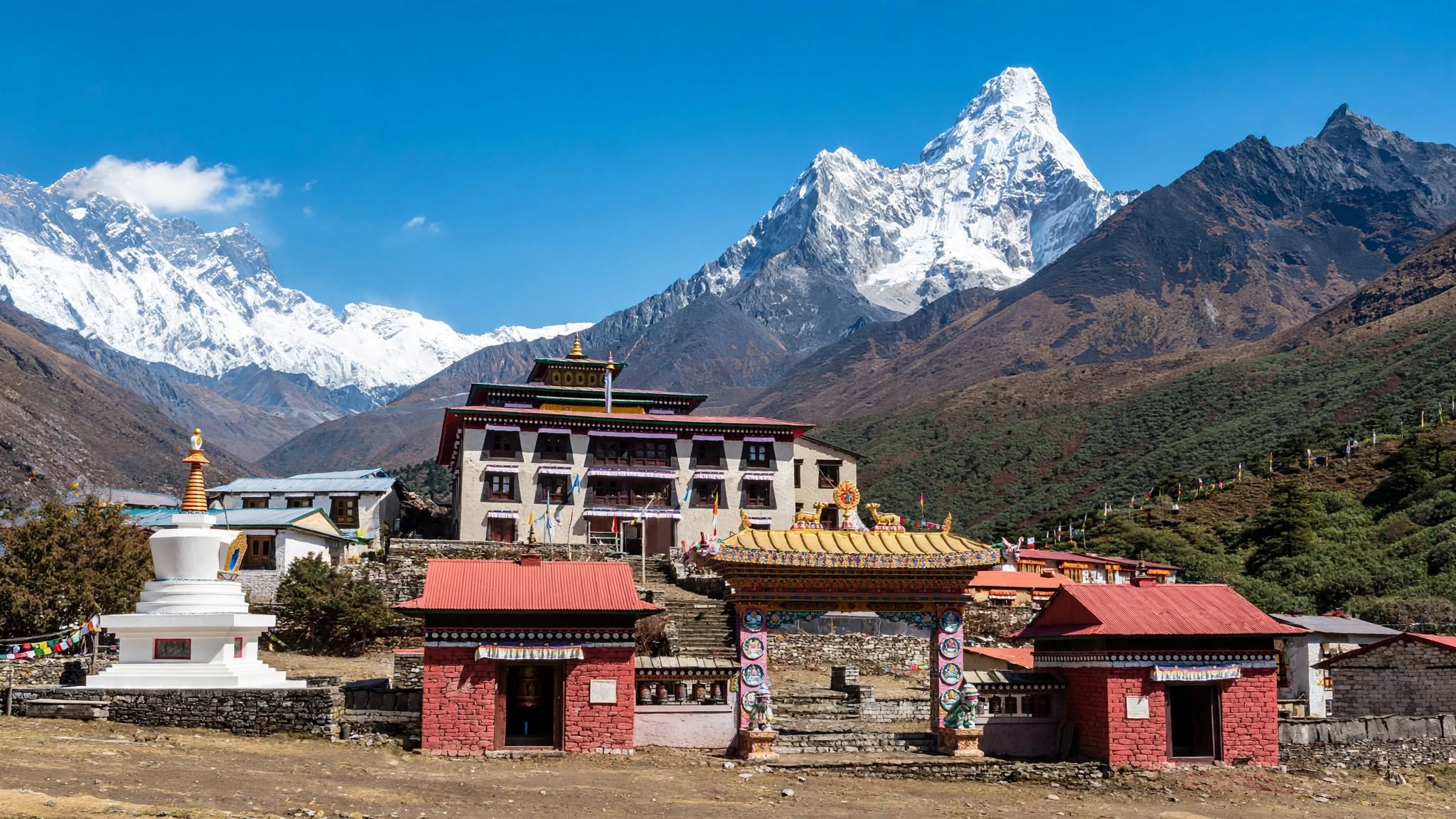
  * Tengboche Monastery – spiritual heart of the Khumbu

  * Khumbu Glacier and icefall near Base Camp

  * Unmatched view from Kala Patthar – sunrise over Everest!

🎒 Is the Everest Base Camp Trek Difficult?


It’s a bit of a challenge, but nothing extreme. You don’t need any climbing skills or ropes, just a decent level of fitness, the right mindset, and some determination. The trek is more about endurance and adjusting to the altitude than anything technical. And don’t worry, with the right preparation and our best experienced team at Nepal Boundary Trekking Agency by your side, we’ll make sure your journey is not just safe, but unforgettable too.

🚶 Book Your Adventure


Buddhism in Nepal

Discover Buddhism in Nepal: A Journey of Peace and Enlightenment

20/06/2025

Nepal is a sacred land where the enlightened one, Siddhartha Gautama - the Buddha, was born over 2,600 years ago. As the birthplace of Buddhism, Nepal holds immense spiritual value for Buddhists around the world.

But Buddhism in Nepal is not just ancient history - it's a living religion, practiced daily by millions in monasteries, temples, and mountain villages.


A Peaceful Blend of Faiths

Buddhism and Hinduism coexist harmoniously in Nepal. You’ll often find Buddhist stupas beside Hindu shrines, and many deities are shared between the two faiths.

   The majority of Buddhists in Nepal belong to:

  1. The Newar Buddhists in Kathmandu Valley (Mahayana tradition)
  2. The Tibetan Buddhist communities in northern Nepal (Vajrayana tradition)
  3. Theravada Buddhist monks who have revived monastic traditions in the modern era


Key Buddhist Sites in Nepal

1. Lumbini – Birthplace of the Buddha

  • Located in the Rupandehi district of southern Nepal, Lumbini is a UNESCO World Heritage Site and one of the most sacred Buddhist destinations in the world.

    Highlights:

    • Maya Devi Temple (Buddha’s birthplace)
    • Ashoka Pillar
    • Sacred Pond and ancient Bodhi Tree
    • Lumbini is not just a site. It’s a symbol of peace, visited by both pilgrims and peace-seekers from around the globe.


2. Boudhanath Stupa – Heart of Tibetan Buddhism

One of the largest stupas in the world, Boudhanath in Kathmandu, is a center of Tibetan Buddhism. Its peaceful atmosphere, spinning prayer wheels, and fluttering prayer flags attract thousands of pilgrims and tourists daily.


3. Swayambhunath – The Monkey Temple

Sitting atop a hill, Swayambhunath offers panoramic views of Kathmandu Valley and a deep spiritual presence. It’s believed to be one of the oldest Buddhist sites in Nepal.


4. Kopan Monastery

Located just above Boudhanath, Kopan Monastery is a peaceful retreat center offering meditation courses, teachings, and spiritual guidance for foreigners. Run by the Foundation for the Preservation of the Mahayana Tradition (FPMT), it’s a great place to deepen your understanding of Tibetan BuddhismMany visitors stay for a week or longer to reconnect with themselves in a peaceful setting.


5. Namobuddha

About 40 km southeast of Kathmandu, Namobuddha is a tranquil hilltop pilgrimage site where the Buddha, in a past life, offered his body to a starving tigress and her cubs — a story that represents the ultimate story of compassionSurrounded by forest, prayer flags, and monastic chants, Namobuddha is a place of deep reflection and serenity.


Buddhism Today in Nepal

In Nepal, Buddhism isn't just something you read about, it's something you experience.

From monks chanting in ancient monasteries to locals doing morning koras around stupas, the religion is deeply woven into daily life. You'll see it in street-side butter lamps, in spinning prayer wheels, and in the smiles of humble monks and nuns. Tourists often come for:

  • Medication retreats
  • Monastic experiences
  • Spiritual treks to sacred places like Lumbini and Tengbon


    Monastic experiences

    Spiritual treks to sacred places like Lumbini and Tengboche


    International Monastic Zone (with monasteries from 20+ countries)

    Annapurna Circuit Trek

    🏔️ My 12-Day Annapurna Circuit Trek Experience - A Guide's Personal Journey

    27/06/2025

    By Yogesh Kunwar – Founder & Trekking Guide


    The Annapurna Circuit Trek isn't just a popular trekking route. It's a life-changing journey through some of Nepal’s breathtaking landscapes, vibrant mountains, ancient villages, and spiritual moments. I’ve led this trek many times, but each time, it brings something new. Here, I’ll share my recent 12-day Annapurna Circuit experience, step by step—from Dharapani to Thorong La Pass, all the way to Pokhara.


    🚙 Day 1: Jeep Ride to Dharapani

    We kicked off this trek with a long yet scenic jeep ride from Kathmandu to Dharapani. It's bumpy, no doubt, but the excitement of entering the mountains makes it all worth it. Dharapani marks the real beginning of the trek, surrounded by pine forests and the vibe of the mountains all around you. 

    Tip: If you're booking with a local Annapurna Circuit trek agency, ask them to manage a comfortable jeep transfer. It makes a huge difference.


    🪶 Day 2: Dharapani to Chame

    After a good night's sleep, we began our trek from Dharapani to Chame, the district headquarters of Manang. The trail passed through beautiful and dense pine forests, traditional houses, and peaceful Buddhist chortens. Food and accommodation in Chame were excellent—clean rooms, warm meals, and friendly local people.


    🍏 Day 3: Came to Upper Pisang (via Bhartang Apple Farm)

    After around 1.5 hours of walking from Chame, we reached Bhartang Village, famous for its apple farming. Here, I had fresh apple juice and apple cider (apple slider)—hands down the best I've ever had. As a guide, I always stop here with my groups. After that refreshing break, we continued to Upper Pisang, where the magical views of Annapurna II and nearby peaks literally stopped us in our track.


    🌾 Day 4: Upper Pisang to Manang

    This stretch is my personal favorite part of the trek. The trail runs through breathtaking landscapes, Tibetan-influenced villages, and towering cliffs. The air starts to thin out, but the landscapes become more dramatic with every stepManang sits at 3,540 meters and is one of the most charming places in the Annapurna region.

    We stayed in a cozy teahouse, but I also explored small local restaurants where I had delicious yak sukuti (Nepali dried, smoky meat snack) and momos. Sukuti, especially from yak meat, is smoky, chewy, and full of flavor. For the real taste of Manang, yak sukuti is a must-try dish.


    🏔️ Day 5–6: Acclimatization in Manang

    Proper acclimatization is key to avoiding altitude sickness. We spent two nights here for acclimatization. On our rest day, we hiked 500m uphill to a tea house with an amazing mountain view, had some tea, and came back down to visit the Gangapurna Lake—a glacial lake with stunning turquoise water.


    ⛰️ Day 7: Manang to Ledar (4,200m)

    Leaving Manang, the terrain turns alpine and rugged. We moved slowly to Ledar, enjoying the alpine landscape. The climb isn't too harsh, but the air gets thinner, and the views become even more dramatic. Ledar was cold but peaceful.


    🏥 Day 8: Ledar to High Camp

    Although we initially planned to stop at Low Camp, everyone in the group felt strong, so we pushed on to High Camp at 4,900m after 1 hour of  hiking. It was a bit tough climb, but it paid off the next morning by giving us a head start on crossing the pass.


    ❄️ Day 9: Thorong La Pass (5,416m) to Muktinath

    This was the big day. We woke up at 3:00 am, packed our breakfast, and hit the trail with headlamps on. After around 3 hours of steady climbing, we reached Thorong La Pass, the highest point of the trek.  It was freezing cold but insanely beautiful. The sense of achievement up there is hard to describe. At 5,416m, with prayer flags fluttering and snow under our boots, it felt like standing on the roof of the world.

    After a short break for the views and photos, we began the long descent to Muktinath, which took around 6 hours. While it was exhausting, the views and spiritual vibe of the town kept us going. We stayed the night in this sacred town.


    📟️ Day 10: Visit to Muktinath Temple, Drive to Pokhara

    The next morning, we visited Muktinath Temple, bathed under the 108 holy taps, and offered our prayers. After breakfast, we took a jeep ride and reached Pokhara by late afternoon.

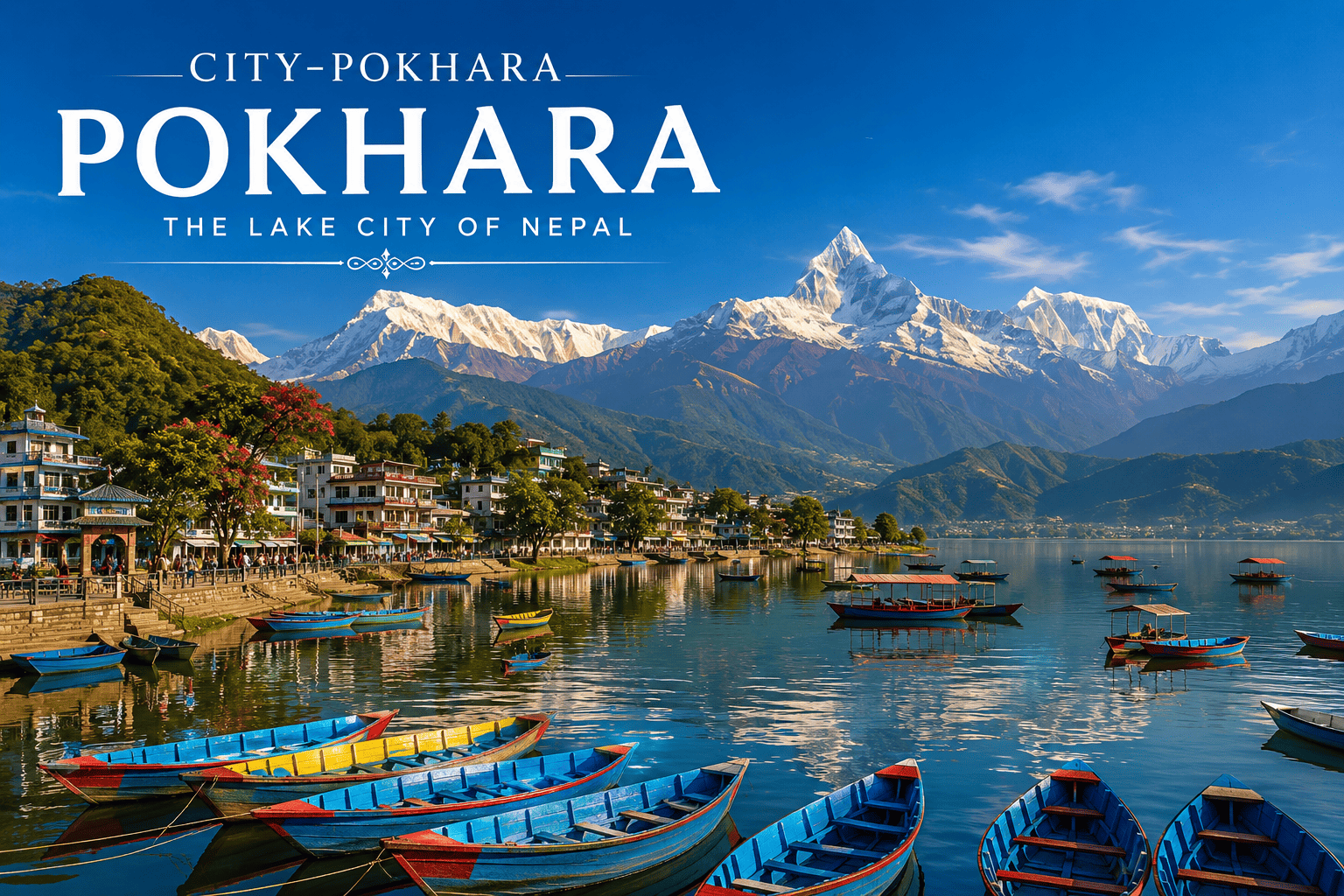
    It felt amazing to walk along Phewa Lake that evening, a perfect way to end a long trek. 


    🌄 Day 11: Exploring Pokhara

    This was a chill day in Pokhara. We visited:

    1. Pumdikot Shiva Statue

    2. World Peace Pagoda

    3. International Mountain Museum

    4. A 2-hour boating trip on Phewa Lake

    We wrapped up the day with a delicious dinner at Godfather Pizzeria, a must-try if you are in town.


    ✈️ Day 12: Return to Kathmandu

    After breakfast, we took a short flight back to Kathmandu, bringing home incredible memories and the feeling of accomplishment. Every trek has its own magic and vibe, but this one was unforgettable.


    Ready For The Trek of a Lifetime?

    Let's make it happen together. It would be my pleasure to guide you personally through one of Nepal's most iconic trails, whether you are a solo traveler or in a group.

    Need help planning your route, gears, or itinerary? Nepal Boundary Trekking Agency is here to help you make your Annapurna Circuit Trek unforgettable in 2025.

    Conclusion

    As a trekking guide, I can confidently say the Annapurna Circuit Trek in 2025 is still one of the best long-distance treks in the world. The landscapes, local culture, food, and, of course, my amazing group made it unforgettable.

    If you’re planning the Annapurna Circuit Trek, I highly recommend this route. Take your time, stay hydrated, and don’t miss Bhartang apple juice, yak sukuti, or a peaceful moment in Manang.


    Nepal, Kathmandu, Pashupatinath temple.

    ♻️ 3 Days Spiritual Tour in Nepal – My Experience

    06/07/2025

    By Yogesh Kunwar – Nepal Boundary Trekking Agency

    Nepal is not just about mountains and trekking trails. It’s also a land of spirituality, living heritage, and timeless traditions. As a local guide and traveler, I’ve always felt drawn to the sacred heart of Nepal, the Kathmandu Valley.

    Recently, I spent three unforgettable days visiting some of the most spiritual and culturally rich places in the valley. Whether you’re here for a short trip, don’t plan to trek, or just want to feel the soul of Nepal, this 3-day spiritual tour is the perfect introduction to our culture, history, and spiritual life.

    🏛️ Day 1: Pashupatinath Temple & Budhanilkantha Temple

    We began our first day early by visiting at Pashupatinath Temple. This is one of the holiest Hindu temples in the world and a UNESCO World Heritage Site. Walking through the temple complex along the Bagmati River, you’ll see open-air cremation ceremonies, ancient shrines, and saffron-clad sadhus (holy men) meditating or offering blessings.

    The scent of incense, the echo of temple bells, and the gentle chants create a powerful spiritual atmosphere. I saw one Baba giving blessings to people, and with his permission, I even took his photo.

    After soaking in the energy of Pashupatinath, we took a short 25-minute drive to Budhanilkantha Temple, home to a mesmerizing 5-meter-long statue of Lord Vishnu sleeping on a bed of nagas (serpents) in a water pond. It’s one of the most peaceful spots in the valley. You’ll often find locals quietly praying, lighting butter lamps, or simply sitting in reflection.

    📝Tip: Visit Budhanilkantha early in the morning for a calm and serene experience.


    🏛️ Day 2: Bhaktapur Durbar Square & Patan Durbar Square

    We explored the incredible Newar heritage of the Kathmandu Valley. Our first stop was Bhaktapur Durbar Square, a beautifully preserved medieval town known for its red-brick alleys, pagoda-style temples, and traditional pottery. The entire city feels like a living museum. We wandered through narrow streets filled with handmade crafts, passed by local artisans working on their pieces, and of course, tasted the famous Juju Dhau—the legendary “King Yogurt” made from creamy buffalo milk.

    After lunch, we went to Patan Durbar Square in Lalitpur. Patan is famous for its exquisite architecture, intricate carvings, and artistic legacy. We spent time exploring the temples and the museum, which holds centuries of spiritual and artistic treasures. The Golden Temple, Krishna Mandir, and the calm courtyards make it one of my favorite places in the Kathmandu valley.


    🏛️ Day 3: Kathmandu Durbar Square, Boudhanath & Swayambhunath (Monkey Temple)

    Our final day started at Kathmandu Durbar Square, the heart of the old royal capital. The former palace complex still stands with its wooden carvings, open courtyards, and rich history. We also stopped by the Kumari Ghar, the residence of the Living Goddess Kumari. If you're lucky, you might catch a glimpse of her at the window.

    Next, we headed to Boudhanath Stupa, one of the largest and most sacred Buddhist stupas in Nepal. The energy here is calm and meditative. Tibetan prayer flags flutter in the wind, and pilgrims circle the stupa with prayer wheels. I love sitting on the rooftop cafe here, sipping tea, and just watching the spiritual rhythm of the place.

    We ended the day with a visit to Swayambhunath, popularly known as the Monkey Temple. Perched atop a hill, this ancient Buddhist stupa offers sweeping panoramic views of the entire Kathmandu Valley. The climb up is worth it, especially around sunset when the golden light hits the eyes painted on the stupa dome. It’s the perfect place to end your journey and absorb the spiritual essence of Nepal.


    Why I Recommend This Tour

    ✅ Great for families, couples, or solo travelers

    ✅ No trekking required, but deeply connected to Nepal’s spirit

    ✅ You will see both Hindu and Buddhist cultures

    ✅ Easy pace, with time to relax and enjoy local food


    📍 Package Details


    Tour Name: 3 Days Spiritual & Cultural Tour of Kathmandu Valley


    Duration: 3 Days / 2 Nights


    Starts/Ends: Kathmandu


    Includes: Private transport, English-speaking guide, entrance fees, accommodation (optional)


    Best Time: All year round


    If you want to connect with the real Nepal beyond the tourist trail, this 3-day cultural and spiritual tour is for you. It’s short, meaningful, and full of hidden stories. You’ll see ancient art, feel spiritual energy, and eat delicious Newari and Nepali food along the way.

    If this journey calls to you, feel free to reach out. I’d love to guide you personally and help you discover the soul of the Kathmandu Valley.

    walking tour in kathmandu

    Free Walking Tour in Kathmandu: Discover the Heart of Nepal

    29/06/2025

    Nepal, a landlocked country nestled in the heart of South Asia, lies gracefully on the lap of the majestic Himalayas. Home to around 26.4 million people, Nepal ranks as the 48th most populous and the 98th largest country by area. It offers an incredible mix of geography – from fertile plains to lush, subalpine hills. In the north, you’ll find deep cultural ties with Tibet, while the Kathmandu Valley reflects rich Indo-Aryan influences.

    Kathmandu sits at an altitude of around 1,400 meters (4,600 feet) above sea level. This elevation gives the city a mild, pleasant climate – not too hot in summer and not too cold in winter. Whether you're walking in the dry season or monsoon, Kathmandu stays welcoming most of the year.

    Walking through Nepal, especially in Kathmandu, opens up a world of sights, tastes, stories, and traditions. While it may not be possible to experience everything in a single trip, even a fraction of it leaves travelers deeply fulfilled.

    Why Take a Free Walking Tour in Kathmandu?

    One of Nepal’s greatest strengths is its people. Friendly, kind, and always ready to help, Nepali hospitality feels like a warm bowl of soup on a cold, rainy day. From city streets to rural villages, locals welcome travelers with open arms.

    As you walk through Kathmandu, you'll likely stumble across wildlife encounters, cultural experiences, and ancient spiritual landmarks. From the one-horned rhino and elephants in the lowlands to the peaceful Buddhist temples of the highlands – there's always something new around every corner.

    Most notably, Nepal is the birthplace of Lord Buddha, making it a sacred destination for Buddhists around the world. And nowhere does this spiritual blend feel more alive than in Kathmandu.

    Things to Do in Kathmandu on a Free Walking Tour

    1. 1.     Experience the Lively Streets of Thamel

    Thamel, the heartbeat of Kathmandu tourism, is vibrant day and night. Trekking shops, souvenir stalls, and local eateries line every alley. As the sun sets, Thamel transforms – music pumps from bars, fairy lights twinkle, and street vendors grill up local snacks.

    You'll also notice countless small hotels, pubs, lounges, and travel agencies, creating a truly unique and bustling atmosphere. Just be ready to dodge the occasional motorbike zipping through the crowd!

    2.     Visit Durbar Square – A World Heritage Site

    Just a short walk from Thamel brings you to the iconic Kathmandu Durbar Square, a UNESCO World Heritage Site. Before entering, remember to grab your entrance ticket. Once inside, you'll be surrounded by rich history, stunning architecture, and the daily life of the Newar people – the original residents of the Kathmandu Valley.

    Talking to locals, especially the Newari community, gives you insight into a culture that’s thousands of years old. Their way of life, food, festivals, and stories all become part of your journey.

    3.     Enjoy Rooftop Views and Local Hospitality

    In the evening, grab a seat at a rooftop café or restaurant. You’ll get stunning views of the Ganesh Himal glowing under the setting sun. Many hotels in Thamel also offer private guides who help you navigate your day, plan activities, and offer personalized tips about the city.

    Hotel owners and travel agents are typically eager to share knowledge, offering everything from maps and walking tips to info on local dishes and attractions.

    4.     Discover Local Food – Don’t Miss the Momo

    No walking tour in Kathmandu is complete without tasting local food, especially the world-famous Momo. These Nepali-style dumplings come filled with meat or vegetables, and are served with spicy dipping sauces. You'll find momos on nearly every street – from roadside stalls to upscale restaurants.

    5.     Route Highlights: Garden of Dreams to Swayambhunath

    Start your free walking tour at the peaceful Garden of Dreams, a serene escape in the middle of the city. Then, slowly make your way through Thamel, soaking in the mix of culture, chaos, and charm. End your walk at the Monkey Temple (Swayambhunath), which offers a panoramic view of Kathmandu Valley – a breathtaking reward for your efforts.

    Conclusion

    A free walking tour in Kathmandu lets you experience the city in a dynamic, budget-friendly way. You’re not just sightseeing — you’re connecting with people, culture, food, and history.

    Whether it’s your first time in Nepal or your fifth, walking through Kathmandu will always offer something new. So tie your laces, grab your water bottle, and start exploring. The real magic of Nepal is just a few steps away.

    Everest Base Camp Trek From Usa

    Everest Base Camp Trek From USA (2026 Guide): Flights, Costs, Permits, and More

    06/07/2025

    So, you’re thinking about trekking to Everest Base Camp from the US? Great choice, this is one of those once-in-a-lifetime adventures that you’ll talk about forever. Whether you are planning a solo trip, with friends, or considering a guided group, you have come to the right place.


    With my 12+ years of experience in the trekking and travel industry, I’ve created this guide to help you plan your Everest Base Camp adventure from the USA with confidence, clarity, and zero guesswork.


    This guide by Nepal Boundary Trekking walks you through everything you need to know — from choosing the best time to trek, to booking your local guide, getting permits, and traveling from the USA to Nepal.

    ✈️ Step 1: Book Your Flight from the USA to Nepal


    Alright, let's start with the basics, getting into Nepal. There are no direct flights from the USA to Nepal, but you can easily connect via Doha, Dubai, or Delhi.

        Most Common Routes:

            New York (JFK) → Doha → Kathmandu

            Los Angeles (LAX) → Dubai → Kathmandu

            Chicago (ORD) → Delhi → Kathmandu


    Pro Tip: Try to land in Kathmandu at least 1-2 days before your trek. Trust me, you’ll need a day or two to rest, adjust to the altitude, and sort out any last-minute preparation before heading to the mountains.


    📅 Step 2: Best Time to Trek Everest Base Camp


    If you’re coming from the US, you probably want great weather, stunning views, and fewer chances of flight delays. The best seasons to trek are:


        Spring: March to May

        Autumn: September to November

    Both offer clear skies, stable weather, and breathtaking views of the Himalayas.


    📋 Step 3: Trek Permits You’ll Need


    As a US citizen, you need:

        TIMS Card ( Trekker's Info Management System)

        Sagarmatha National Park Permit

        Khumbu Pasang Lhamu Rural Municipality Permit

    Don’t worry — Nepal Boundary Trekking Agency handles all permits for you.


    🧭 Step 4: Choose the Right EBC ( Everest Base Camp) Trek Itinerary


    Our most popular Everest Base Camp trek from Kathmandu is 12–14 days, including acclimatization.


    Sample Itinerary:

        Day 1: Fly to Lukla, trek to Phakding

        Day 2–3: Namche Bazaar (acclimatization)

        Day 4–8: Trek through Tengboche, Dingboche, Lobuche

        Day 9: Everest Base Camp

        Day 10–12: Return to Lukla

        Day 13: Fly back to Kathmandu


    🏕️ Step 5: Food & Accommodation


        Tea houses with twin rooms are available throughout the trail.

        Meals include dal bhat, pasta, noodles, soup, eggs, etc.

        And yes, we ensure clean, safe, and comfortable lodges every night. You'll burn thousands of calories during trekking, so you will definitely eat and sleep well.


    💰 Cost of Everest Base Camp Trek from the USA


    You will find different costs online. At Nepal Boundary Trekking, our goal is to keep it affordable, transparent, and worth every penny with no hidden costs. 

    Price:

    USD 1,350 per person (based on 2–4 people)

      ✅ Includes:

           1. Flights to/from Lukla

           2. Permits

           3. Guide & porter

           4. Accommodation & meals on trek

           5. Airport transfers


    🎒 What to Pack (USA Travelers)


    Packing smart = a smoother trek. You’ll get a detailed list once you book, but here’s a quick checklist:

       ✅ Down jacket (can be rented in Kathmandu)

       ✅Trekking boots (break them in before!)

       ✅ Layers: fleece, thermals, t-shirts

       ✅ Gloves, hat, sunglasses

       ✅ Personal medicine & toiletries

       ✅ Full packing list provided once you book.

    Bonus: We’ll help you rent or buy anything you’re missing once you land in Kathmandu.


    💬 Support Before You Arrive


    We know it’s a big trip, especially flying halfway across the world. That’s why we’re here to make it easy and stress-free. Here’s what you get with us:


       ✅ Free pre-trip consultation on WhatsApp

       ✅ Airport pickup from Kathmandu

       ✅ Gear rental support

       ✅ Last-minute hotel booking help


    📲 Ready to Book Everest Base Camp Trek from the USA?


    Thousands of American trekkers choose Nepal every year, and with Nepal Boundary Trekking Agency, you get local expertise, professional guides, and full support from day one.

        📩 Message us directly on WhatsApp to plan your Everest trek:
               Direct contact or WhatsApp +9779808908284
        🌐You can book from our website here: Book Now Everest Base Camp Trek (12-14 days)

    Trekking group with Himalayan Mountain in the background

    Trekking in Nepal 2025: Best Treks, Seasons, Tips and More

    01/08/2025

    Why Trekking in Nepal?

    Namaste! I'm Yogesh Kunwar, founder of Nepal Boundary Trekking. For the past 12+ years, I've spent my life walking the trails of Nepal, covering over 10,000+ kilometers across the Himalayas. From Everest Base Camp to the hidden valleys of Dolpo, I’ve seen it all. What makes a trek unforgettable? It’s not just the mountains,  it’s the people, the culture, the stories, and those little unexpected moments on the trail.

    This blog isn’t written from behind a desk, it's built on real-life adventures. So if you're planning to go trekking in Nepal in 2025, or even just dreaming about it, here’s everything you need to know to make it amazing.


    🏞️ Top 5 Treks in Nepal (2025)

    1. Everest Base Camp Trek (12–14 Days)


     The classic! This legendary trek offers jaw-dropping views of Mt. Everest, Lhotse, and Ama Dablam. You’ll pass through the Sherpa hub of Namche Bazaar, visit the peaceful Tengboche Monastery, and end up at Kala Patthar, which is the best viewpoint for Everest.

        Best Season: March–May, September–November


    2. Annapurna Circuit Trek (12–18 Days)


     This high-altitude circuit trek is full of changing landscapes and cultural variety. You’ll hike through lush forests, cross Thorong La Pass (5,416m), and soak your tired legs in the hot springs of Tatopani.

        Best Season: March–May, September–November


    3. Mardi Himal Trek (6–8 Days)


    This is my personal favorite short trek. It’s quieter, incredibly scenic, and close to Pokhara. You can see the stunning views of Machhapuchhre (Fishtail), Annapurna South, and Hiunchuli.


        Best Season: March–May, October–December


    4. Manaslu Circuit Trek (14–17 Days)


    If you're looking for a real adventure, this off-the-beaten-path trek is for you. With fewer trekkers and a wild vibe, it’s a gem. It does need a special permit, but it’s worth every step.


        Best Season: March–May, September–November


    5. Langtang Valley Trek (7–10 Days)


    Just a few hours from Kathmandu, this trek is perfect for beginners or those short on time. You’ll get to see glaciers, high peaks, and dive into the rich Tamang culture.

        Best Season: March–May, September–December


    📅 Best Time for Trekking in Nepal

    Timing can make or break your trek. Here's a quick breakdown of trekking seasons in Nepal:


        Spring (March to May): Clear skies, rhododendron blossoms, warm days.


        Autumn (September to November): Best visibility and stable weather.


        Winter (Dec–Feb): Cold but good for low-altitude treks.


        Monsoon (June–August): Not ideal due to rain, except in Mustang or Dolpo.


    🎒 What to Pack – Yogesh’s Trekking Checklist

    Here’s what I always advise clients to bring:

        🥾 Comfortable trekking boots (already broken in)

       🧥 Layered clothing: base layer, fleece, down jacket, and waterproof shell

       🛏️ Sleeping bag (rated at -10°C or lower)

      🚶 Trekking poles and headlamp

       🩺 Personal first aid kit and water purifier

      📷 Power bank and camera (optional, but highly recommended)

     👉 Travel light. The lighter your bag, the better your trek.


    ⚠️ Common Mistakes to Avoid

     ❌ Skipping acclimatization days (especially above 3,000m)

     ❌ Forgetting permits (TIMS, ACAP, or restricted area permits)

     ❌ Ignoring insurance (rescue helicopter is expensive)

     ❌ Underestimating altitude (drink water, rest, and listen to your body)


    💡 Why Trek With Nepal Boundary Trekking?

    I started Nepal Boundary Trekking with one simple goal: to give travelers an authentic, safe, and unforgettable experience. When you trek with us, you're not just booking a trip; you’re becoming a part of our trekking family.

     ✅ Experienced local guides and porters

     ✅ Customized itineraries based on your pace

     ✅ Full support from Kathmandu to the final destination

     ✅ Respect for nature, culture, and your comfort


    Many of our trekkers return again — because our trips are about people, not just mountains.

    📞 Ready to Plan Your Trek?

    If you're dreaming of trekking in Nepal in 2025, I’d love to help. Whether you’re looking for a short scenic trek or a once-in-a-lifetime Himalayan expedition, I’ll guide you every step of the way.


    👉 Check Out Our Trekking Packages

    👉 Contact Nepal Boundary Trekking Agency


    Himalayan mountain view during spring trekking season in Nepal

    Best Time to Trek in Nepal | Season Guide for 2026

    02/08/2025

    Nepal isn’t just a country. It’s an adventure playground filled with towering peaks, legendary trekking trails, and a mix of different cultures that feels like a different world. Choosing the season to trek can completely shape your experience. Choosing the best time to trek in Nepal ensures you get clear skies, comfortable temperatures, and unforgettable views.

    Know the best time to trek in Everest Base Camp, AnnapurnaCircuit, and discover hidden gems like Langtang Valley or Upper Mustang. By understanding Nepal’s trekking seasons, you can plan your Himalayan journey for the perfect mix of weather, scenery, and adventure.

    1.    Spring (March – May) – Clear Views and Blooming Rhododendrons

    Spring is one of the most loved trekking seasons in Nepal. The weather is mild, the skies are clear, and the hills burst into color with blooming rhododendrons. If you want scenic trails, comfortable trekking days, and stable weather, then this will be the best season for you to trek.

    Why trek in Spring?

    ·        Warm and pleasant temperatures in most trekking regions.

    ·        Long daylight hours for extended hiking days.

    ·        Stunning panoramic mountain views.

    Highlights:

    ·        Best time to photograph rhododendron forests in full bloom.

    ·        Clear visibility for Everest, Annapurna, Langtang, and more.

    ·        Stable weather for high-altitude treks.

    Recommended Treks:

    ·        Everest Base Camp Trek

    ·        Annapurna Circuit Trek

    ·        Mardi Himal Trek

    ·        Langtang Valley Trek


    2.    Summer / Monsoon (June – August) – Green Landscapes and Fewer Crowds

    In the monsoon, Nepal transforms into a lush green paradise. While heavy rain can make some trails muddy and slippery, certain areas in the rain shadow are relatively dry, like Upper Mustang and Nar Phu.  

    Why trek in Summer?

    ·        Vibrant green landscapes after rainfall.

    ·        Dramatic skies and clear mornings for photography.

    ·        Quieter trails with fewer trekkers.

    Highlights:

    ·        Ideal for off-the-beaten-path treks in dry regions.

    ·        Authentic village experiences without tourist rush.

    Recommended Treks:

    ·        Upper Mustang Trek

    ·        Nar Phu Valley Trek


    3.    Autumn (September – November) – Peak Trekking Season

    Autumn is the most popular time for trekking in Nepal. The weather is crisp and cool, the skies are crystal clear, and the mountains are at their most majestic. If you are looking for the best time to trek to Everest Base Camp or Annapurna Circuit, then this is your best time to trek.

    Why trek in Autumn?

    ·        Perfect balance of warm days and cool nights.

    ·        Best mountain visibility of the year.

    ·        Lively atmosphere in teahouses with trekkers from all over the world.

    Highlights:

    ·        Clear skies for uninterrupted Himalayan views.

    ·        Cultural immersion during festivals like Dashain and Tihar.

    Recommended Treks:       

    ·        Annapurna Base Camp Trek

    ·        Gokyo Lake Trek

    ·        Everest Base Camp Trek

    ·        Langtang Valley Trek


    4.    Winter (December – February) – Peaceful Trails and Snowy Peaks

    Winter offers a completely different charm in Nepal. The trails are peaceful, the peaks are covered in snow, and the atmosphere feels magical. While high passes may be inaccessible, mid-altitude treks and perfect this time of year.

    Why trek in Winter?

    ·        Fewer trekkers, creating a quiet and peaceful experience.

    ·        Crisp mountain views after occasional snowfalls.

    ·        Lower costs for accommodation and services.

    Highlights:   

    ·        Perfect for short scenic treks.

    ·        Ideal for photographers chasing snowy landscapes.

    Recommended Treks:

    ·        Ghorepani Poon Hill Trek

    ·        Khumai Danda Trek

    ·        Helambu Trek


    Quick Season Comparison


    SeasonTemperatureVisibilityCrowd LevelRecommended Treks
    SpringMild & PleasantExcellentMediumEverest Base Camp, Annapurna Base Camp, Langtang Valley, Mardi Himal
    SummerWarm & WetLimitedLowUpper Mustang, Nar Phu
    AutumnCool & ClearExcellentHighAll major Treks
    WinterCold & DryGoodLowPoon Hill, Khumai, Helambu


    Expert Tips for Choosing the Best Time to Trek in Nepal
    • 1. First-time trekkers should aim for Autumn or Spring for the safest and most enjoyable conditions.
    • 2. Summer trekking is perfect if you want to avoid crowds and enjoy lush green trails.
    • 3. Winter trekking offers budget-friendly adventures with peaceful scenery.
    • 4. Always check the specific trek route conditions before booking, as weather can vary greatly depending on altitude and region.

    Plan Your Perfect Trek with Local Experts

    With over 12 years of guiding experience, our team at Nepal Boundary Trekking Agency knows every corner of the Himalayas. We help trekkers choose the right route, season, and preparation plan so they can enjoy the best that Nepal has to offer.


    📞 Contact us today for free advice or to book your 2026 trek:
    📧 nepalboundary@gmail.com
    📱 +977-9808908284