Blog
Floods in Langtang Valley Trek

They Thought the River Was Safe: A Langtang Trek Gone Wrong

10/01/2026

The trail was familiar. The air felt fresh. The river looked calm, nothing out of the ordinary. For many trekkers, this is exactly how a typical day in Langtang or Helambu begins. But in October 2025, that sense of normalcy turned into tragedy when a sudden surge in the Bering Khola swept away four young trekkers.

This incident shocked the trekking community in Nepal and raised an uncomfortable question: how can a seemingly harmless river become deadly within minutes? This article breaks down what really happened, why it matters to both Nepali and international trekkers, and what lessons every trekker must take seriously before stepping into the mountains.


Where It Happened: Understanding the Langtang–Helambu Route

The Langtang–Helambu region, located north of Kathmandu, is often marketed as a relatively easy and accessible trekking destination. Many trekkers choose this route because it offers dramatic Himalayan scenery, rich Tamang culture, and lower crowd levels compared to Everest or Annapurna.

Because the highest points stay below extreme altitudes and trails are well-established, people often underestimate the risks here. However, this region is crossed by multiple rivers and streams fed by glaciers, rainfall, and upstream runoff. One of them is the Bering Khola, a mountain river that can look shallow and manageable during dry conditions.

That perception is exactly what makes these crossings dangerous.


What Happened That Day in October 2025

In early October 2025, a group of 16 trekkers from Bhaktapur was heading toward Langtang via the Helambu side. Continuous rainfall had affected the area for days. While the rain didn’t look extreme at the crossing point, it had already intensified upstream.

As the group attempted to cross Bering Khola in Gosainkunda Rural Municipality–4, the water level suddenly surged. Within moments, four trekkers, two men and two women in their 20s, were swept away by the current.

Rescue teams from the Nepal Army, Police, and Armed Police Force later managed to bring the remaining 12 trekkers to safety. Despite search operations, the incident highlighted a brutal reality: mountain rivers don’t give warnings.


Why the River Looked Safe (But wasn’t)

Mountain Rivers Rise Faster Than You Think

Unlike rivers in plains, Himalayan rivers respond almost instantly to rainfall. Heavy rain upstream, sometimes hours away, can dramatically increase water volume downstream. This means a river that looks ankle-deep in the morning can become chest-deep by afternoon.

Bering Khola is a classic example. Its narrow channel, steep gradient, and debris-filled flow allow water to gain speed rapidly. Once the current strengthens, even experienced trekkers struggle to maintain balance.

The Post-Monsoon Trap

October is considered peak trekking season in Nepal. Skies often clear, temperatures feel comfortable, and trails reopen after the monsoon. But this transition period is deceptive.

The ground remains saturated, rivers stay volatile, and late-season rainfall is common. Many trekking accidents in Nepal happen after the monsoon, not during it, precisely because people let their guard down.


The Most Underestimated Danger in Himalayan Trekking

Ask most trekkers about risks in Nepal, and they’ll mention altitude sickness first. While altitude is serious, river crossings silently cause some of the most fatal trekking accidents.

Why?

  • Water hides depth and force
  • Slippery rocks reduce footing
  • Debris can knock trekkers off balance
  • Cold water weakens muscles instantly

In Langtang and Helambu, rivers are unavoidable. The danger isn’t crossing them, it’s crossing them at the wrong time.


Could This Have Been Prevented?

Weather Awareness Mistakes

One of the biggest issues was ignoring continuous rainfall patterns. Even if it’s not raining at the crossing point, rain upstream matters more. Many trekkers don’t track multi-day weather trends, which is crucial in river-heavy regions.

Group Decision Errors

In groups, people often hesitate to speak up. If one or two members think the crossing is unsafe but others push forward, bad decisions happen. Rivers demand conservative choices; turning back is not failure.

Absence of Local Knowledge

Local guides and villagers understand river behavior instinctively. They notice subtle changes in sound, color, and speed. Without this experience, trekkers rely only on visual judgment, which is often misleading.


What Trekkers Should Do When Facing a River Crossing

Signs a River Is Too Dangerous

  • Murky brown or grey water
  • Loud roaring sound
  • Floating debris like branches or stones
  • Rapid increase in water level
  • Cold water numbs feet instantly

If you notice even two of these signs, do not cross.

Safer River Crossing Tips

  • Cross early in the morning when water levels are lowest
  • Unbuckle backpack straps for quick release
  • Use trekking poles for balance
  • Cross as a group only if conditions are stable
  • Never cross after heavy overnight rain

Sometimes, the safest option is waiting or turning back.


The Role of Guides in Preventing Such Accidents

Since 2023, Nepal has made licensed guides mandatory for most trekking regions, including Langtang and Helambu. This decision wasn’t about control; it was about survival.

Guides assess:

  • Weather patterns beyond forecasts
  • River behavior based on sound and flow
  • Alternative crossings or waiting times
  • Emergency decision-making under pressure

Many fatal accidents in Nepal involve independent trekkers making judgment calls without local context.


Langtang Trek Safety Tips

  • Avoid river crossings during or immediately after heavy rain
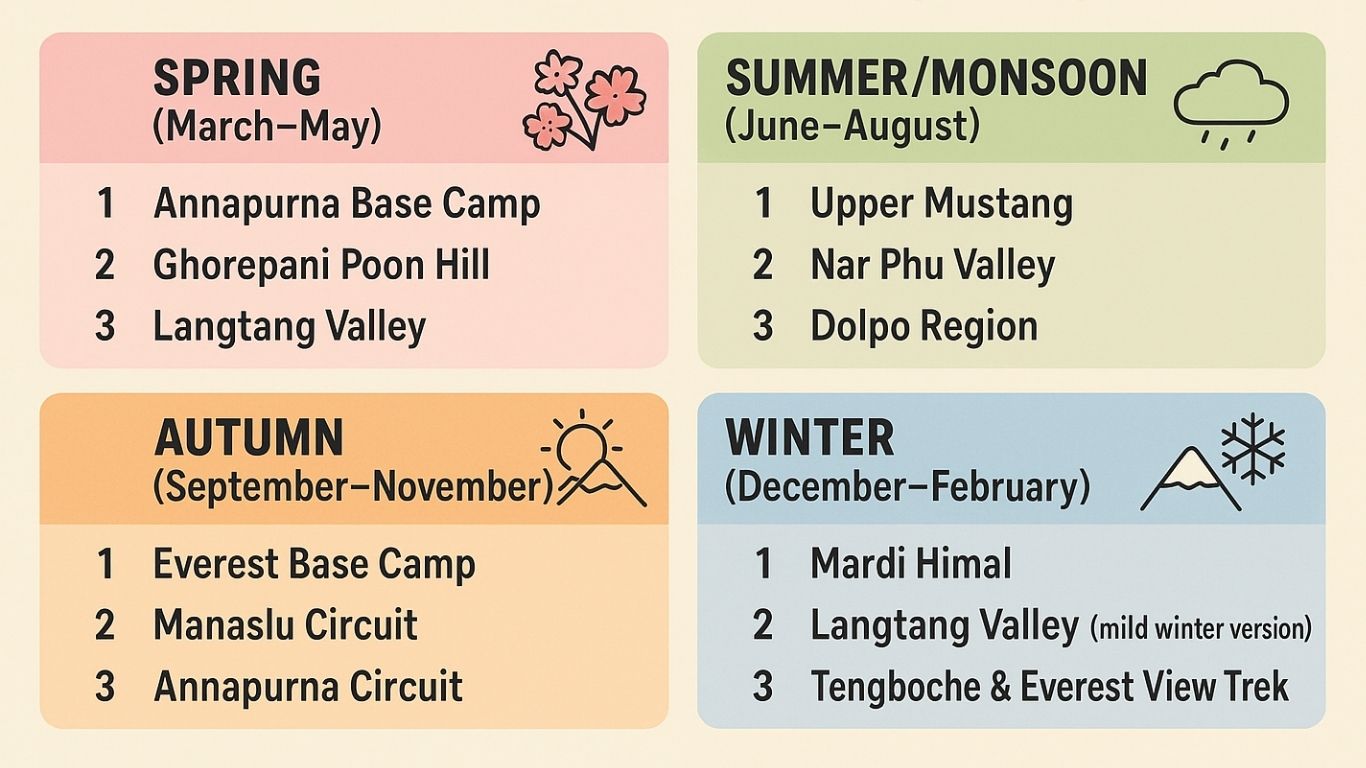
  • Choose spring (March–May) or stable autumn windows
  • Always carry buffer days in your itinerary
  • Monitor local news and weather updates
  • Invest in insurance that covers helicopter evacuation
  • Respect “easy trek” labels; they don’t mean low risk

Langtang remains a beautiful and rewarding trek, but only when approached with respect for nature.

Bhairab Kunda Trek – My Personal Experience

Bhairab Kunda Trek – My Personal Experience

19/01/2026

By Yogesh Kunwar – Nepal Boundary Trekking Agency

For more than twelve years, I have guided trekkers across almost every major trekking region in Nepal. From the iconic trails of Everest Base Camp and Annapurna Circuit to the remote valleys of Manaslu, Langtang, and Kanchenjunga, I have walked thousands of kilometers alongside travelers from all over the world.

I have crossed high passes, stayed in crowded teahouses, watched unforgettable sunrises, and guided people through some of the most famous landscapes on earth.

Yet among all these treks, Bhairab Kunda Trek stands apart.

Not because it is higher, longer, or more comfortable, but because of how it feels. This trek does not compete with Everest or Annapurna in popularity. Instead, it offers something far rarer: purity, silence, human warmth, and spiritual depth.

This is not a promotional story. This is my real experience what I personally saw, felt, ate, and lived while trekking to Bhairab Kunda.


Why Bhairab Kunda Trek Is Special (Even for an Experienced Trekker Like Me)

Bhairab Kunda is a sacred alpine lake located in the Sindhupalchok district of Nepal, close to the Nepal–Tibet border. The lake holds deep religious significance for both Hindus and Buddhists, and it is closely associated with Lord Bhairab, a powerful form of Lord Shiva.

Every year during Janai Purnima, thousands of Nepali pilgrims walk barefoot for days to reach this holy lake. Despite its spiritual importance, Bhairab Kunda remains untouched by mass tourism.

You won’t find luxury lodges, crowded trails, or influencers chasing photos here. And honestly, that is exactly why this trek feels special.

After guiding on famous routes like Everest Base Camp and Annapurna Circuit, one thought stayed with me throughout this journey:

"Those treks are famous, but Bhairab Kunda is pure."


My Journey to Bhairab Kunda – A Simple Start, Deep Experience

The Bhairab Kunda trek usually begins with a drive from Kathmandu to Jalbire or Chanaute, depending on the route you choose. As the road winds away from the capital, the city noise slowly fades.

Concrete buildings give way to hills, rivers, forests, and small villages. Mobile signals weaken. Life slows down. Personally, I enjoy this moment — it feels like stepping back into the Nepal I grew up in.

From the first day of walking, the trail feels refreshingly raw. You walk on narrow paths through forests and hills, not on wide, developed trekking highways. There are no queues of trekkers, no construction noise, just nature and local life moving at its own pace.


Local People: Pure Hearts, Honest Smiles

One of the strongest memories from the Bhairab Kunda trek comes from the local people.

In places like Everest or Annapurna, tourism has shaped daily life. People are kind and professional, but they are busy. Here, the interaction feels different — more personal, more human.

Along the trail, I experienced moments like:

  • Elderly women greeting us with shy, warm smiles
  • Children following us out of curiosity, not expectation
  • Locals offering tea without asking for money

When the villagers knew that I was a trekking guide, they didn’t treat me like a businessman. They welcomed me as a guest.

This level of genuine human connection has become rare in popular trekking regions, and Bhairab Kunda still preserves it beautifully.


 Lodges & Teahouses: Very Basic but Full of Soul

Let me be very honest here.

If you expect luxury, Bhairab Kunda is not your trek.

You won’t find:

  • Attached bathrooms
  • Hot showers every night
  • Espresso machines or bakeries

But what you will find is far more meaningful.

Most accommodations are basic village houses that locals open for trekkers and pilgrims during the season. Rooms are simple but clean. Blankets are thick. Electricity is limited. Nights are quiet — deeply quiet.

As someone who has slept in hundreds of teahouses across Nepal, I can say this with confidence:
I slept better here than on many popular trails.

There is no noise, no rush, no distraction, only mountain silence and a warm fireplace.


Food on the Trail: Simple, Local, and Real

Food on the Bhairab Kunda trek is not fancy, but it is honest food.

What I mostly ate:

•  Dal Bhat (local style)

•  Gundruk soup

•  Rice with local vegetables

•  Tibetan bread

•  Hot tea made from firewood

Because food is cooked slowly and traditionally, it feels heavier but more satisfying. After a full day of walking, that simple dal bhat tasted better than any restaurant meal in Kathmandu.


Accommodation Near Bhairab Kunda: Spiritual and Raw

Accommodation near Bhairab Kunda Lake becomes even more basic. During festival time, many pilgrims stay in temporary shelters or tents.

I reached the lake early in the morning.

The scene stays with me even now:

  • Cold mountain wind
  • Prayer flags fluttering softly
  • Silent, watchful peaks
  • A still blue lake reflecting the sky

I have watched sunrise at Everest and admired Annapurna’s grand panoramas. Those moments impress your eyes.

Bhairab Kunda does something else.

It doesn’t try to impress you.
It reaches you quietly and stays with you.

Comparing Bhairab Kunda with Long Treks (Everest, Annapurna, Manaslu)


Trek Experience Everest Base Camp World-famous, busy, commercial Annapurna Circuit Beautiful, long, developed Manaslu Remote but becoming popular Bhairab Kunda Short, spiritual, untouched Bhairab Kunda is perfect for: • Nepali trekkers

Having guided on nearly all major routes, I often get asked how Bhairab Kunda compares to other treks.

Here’s my honest perspective:

  • Everest Base Camp – World-famous, dramatic, busy, commercial
  • Annapurna Circuit – Beautiful, long, well-developed
  • Manaslu Circuit – Remote, cultural, gaining popularity
  • Bhairab Kunda Trek – Short, spiritual, untouched, deeply personal

This trek doesn’t compete with big names, it offers a completely different experience.

Bhairab Kunda is perfect for:                                                 

•  Nepali trekkers

•  Spiritual travelers

•  People with limited time

•  Those who want real Nepal, not tourist Nepal


Why Nepali Trekkers Are Now Searching for Bhairab Kunda

Recently, I noticed many Nepali people searching for the Bhairab Kunda Trek. I understand why Bhairab Kunda is an excellent choice for:

  • Spiritual travelers
  • Nepali trekkers and pilgrims
  • International trekkers with limited time
  • People seeking quiet, authentic Nepal
  • Travelers are tired of crowded tourist routes

If you want luxury, look elsewhere.
If you want meaning, Bhairab Kunda delivers.

A Trek That Reminded Me Why I Became a Guide

I love guiding in the Everest, Annapurna, and every famous trekking region of Nepal. Those trails built my career.

But Bhairab Kunda reminded me why I chose this path in the first place.

Not for business.
Not for photos.

But for moments like walking quietly through forests, sharing meals with locals, sleeping under cold skies, and feeling deeply connected to the land.

If you want a short but powerful trekking experience in Nepal, one that stays with you long after you return home, Bhairab Kunda is one of Nepal’s most meaningful hidden treasures.

Written from real experience by Yogesh Kunwar
Nepal Boundary Trekking Agency

If you wish to trek to Bhairab Kunda with a guide who has personally walked this trail, you are always welcome to connect with us.


Frequently Asked Questions (FAQs):

Q: 
A: 

Q: 
A: 

Q: 
A: 

Q: 
A: 

Q: 
A: 

Q:  
A: 

Hidden Treks of Nepal

Hidden & Lesser-Known Nepal Treks Worth Exploring

09/02/2026

Nepal is famous for Everest Base Camp and the Annapurna Circuit. But let’s be honest, those trails are no longer a secret. During peak season, you’ll share the path with hundreds of trekkers, hear more languages than birds, and sometimes wait in line just to take a photo.

However, Nepal still has another side.

Beyond the popular routes, there are some hidden trekking trails where life moves slowly, villages feel untouched, and the mountains stand in silence. These lesser-known treks offer raw landscapes, deep culture, and the kind of peace that many travelers seek but rarely find on crowded trails.

If you want to experience Nepal in its most authentic way, then these hidden treks are worth exploring.


Why Choose Lesser-Known Treks in Nepal

Before jumping into the routes, it’s important to understand why these treks matter, especially for international travelers.

  1. First, fewer crowds mean a more personal experience. You walk at your own pace, connect with locals, and truly absorb the surroundings.
  2. Second, these regions offer strong cultural immersion. Many villages still follow ancient traditions, untouched by mass tourism.
  3. Finally, hidden treks support sustainable and community-based tourism, helping remote areas benefit directly from trekking.

In short, you don’t just see Nepal—you feel it.


1.    Bhairab Kunda Trek

The Bhairab Kunda Trek is one of Nepal’s most underrated spiritual journeys. Located near the Tibet border, this sacred alpine lake holds deep religious significance for both Hindus and Buddhists.

What makes this trek special is not just the destination, but the journey itself. As you move through remote Tamang and Sherpa villages, you’ll witness simple mountain life that hasn’t changed much over generations. The trail stays quiet for most of the year, making it ideal for trekkers who value solitude and meaning.

·        Best season: August to October

·        Difficulty: Moderate

·        Ideal for: Spiritual travelers, culture lovers, quiet explorers


2.    Nar Phu Valley Trek

If stepping back in time excites you, Nar Phu Valley delivers exactly that. Hidden beyond the Annapurna region, these twin valleys feel frozen in history.

Stone-built villages, ancient monasteries, prayer flags fluttering in the wind, everything here feels untouched. Because the trek lies off the main Annapurna trail, only a small number of trekkers visit each year.

As a result, Nar Phu offers a rare blend of dramatic landscapes and preserved Tibetan culture.

·        Best season: April–May, September–October

·        Difficulty: Moderate to challenging

·        Ideal for: Photographers, culture seekers, experienced trekkers


3.    Tsum Valley Trek

Often called the Hidden Valley of Happiness, the Tsum Valley Trek is one of Nepal’s most culturally rich routes. This sacred Himalayan valley sits near the Tibetan border and follows ancient pilgrimage paths.

Here, you’ll walk past long mani walls, centuries-old monasteries, and villages where Buddhist values shape daily life. Unlike busier treks, the atmosphere here remains calm and deeply spiritual.

Moreover, the valley’s restricted status keeps tourist numbers low, preserving its authenticity.

·        Best season: March–May, September–November

·        Difficulty: Moderate

·        Ideal for: Cultural explorers, slow travelers, mindful trekkers


4.    Rolwaling Valley Trek

The Rolwaling Valley Trek is wild, dramatic, and beautifully remote. Located between Everest and Langtang, this region remains largely unexplored due to its rugged terrain.

As you move deeper into the valley, towering peaks, glacial lakes, and quiet settlements dominate the landscape. Unlike popular trekking regions, Rolwaling feels raw and powerful—perfect for trekkers seeking real adventure.

Because of its remoteness, hiring experienced local guides is essential here.

·        Best season: April–May, September–October

·        Difficulty: Challenging

·        Ideal for: Adventure seekers, experienced hikers


5.    Kanchenjunga Base Camp Trek

Far in eastern Nepal lies one of the most untouched trekking regions in the country. The Kanchenjunga Base Camp Trek takes you to the world’s third-highest mountain, yet sees very few visitors.

This trek is long and demanding, but the reward is unmatched wilderness. Dense forests, high alpine valleys, and traditional Limbu and Rai villages define the journey.

If isolation and raw nature are what you’re after, this trek delivers.

·        Best season: March–May, September–November

·        Difficulty: Challenging

·        Ideal for: Serious trekkers, wilderness lovers


6.    Upper Dolpo Trek

Upper Dolpo feels like another world. Located in western Nepal, this region is remote, restricted, and incredibly preserved.

The landscape shifts from high passes to turquoise lakes like Phoksundo, while Tibetan culture dominates village life. Due to limited access and higher costs, Dolpo remains one of Nepal’s least-visited trekking regions.

Yet, for those who make the journey, it becomes a once-in-a-lifetime experience.

·        Best season: May–September

·        Difficulty: Challenging

·        Ideal for: Cultural adventurers, long-duration trekkers


Why Travel with Nepal Boundary Trekking Agency Pvt. Ltd.

Exploring hidden and lesser-known treks in Nepal is not just about walking remote trails. It’s about having the right people guiding you through them. These routes demand local knowledge, careful planning, and a deep understanding of the land and its culture.

Nepal Boundary Trekking Agency Pvt. Ltd. specializes in off-the-beaten-path adventures across Nepal. With years of experience guiding trekkers through remote valleys, restricted regions, and culturally rich destinations, the team ensures every journey is safe, meaningful, and well-organized.

From handling permits and logistics to offering genuine local insights, the agency focuses on creating trekking experiences that go beyond standard itineraries. More importantly, they work closely with local communities, supporting responsible and sustainable tourism in Nepal’s most untouched regions.

If you’re looking to explore Nepal beyond the crowded trails and experience the Himalayas in a more authentic way, trekking with Nepal Boundary Trekking Agency Pvt. Ltd. makes all the difference.

September trekking in nepal

Why September Is Perfect for Trekking in Nepal

04/02/2026

September marks the beginning of Nepal’s autumn trekking season, and it quietly sets the stage for some of the most rewarding Himalayan experiences of the year. While many trekkers rush to Nepal in October and November, September remains an underrated gem for those who value fresh scenery, peaceful trails, and a more authentic connection with the mountains. As the monsoon gradually retreats, the landscape transforms, hills turn lush green, rivers flow full and clear, and the air begins to feel crisp and clean.

During this month, trekking routes slowly come back to life without the crowds that peak season brings. Trails are quieter, teahouses feel more personal, and local communities have more time to interact with visitors. Clouds still drift across the valleys, but each passing week brings clearer skies and increasingly sharp mountain views. Early mornings often reward trekkers with dramatic sunrises over snow-capped peaks, especially in higher regions.

September also offers a balanced trekking climate. Days remain comfortably warm at lower and mid altitudes, while higher elevations start cooling down, making long walking hours more enjoyable. For trekkers who want to experience Nepal’s Himalayas in a calm, scenic, and refreshing setting, without sacrificing views or comfort, September stands out as a smart and satisfying choice.


🌧️End of Monsoon, Start of Clear Skies

Early September may still bring occasional rainfall; however, conditions improve quickly as the month progresses. By mid-September, the weather becomes far more stable, making trekking increasingly enjoyable across Nepal’s major routes. As a result, trekkers start to notice a visible shift in both the landscape and the skies.

  • Rainfall decreases significantly, allowing trails to dry out and travel plans to run more smoothly.
  • Skies begin to clear, especially during early mornings, which often reward trekkers with crisp mountain views before clouds build later in the day.
  • Trails remain clean and dust-free, thanks to the recent monsoon showers, creating comfortable walking conditions and vibrant surroundings.
  • The mountains gradually reveal themselves, offering dramatic, freshly washed views of snow-capped peaks that feel even more striking after weeks of rain.

Overall, this transition period creates a unique trekking atmosphere. While nature still feels alive and refreshed, visibility improves with each passing day, making mid to late September an excellent time for trekkers who want scenery, solitude, and steadily improving weather in the Himalayas.


🌿 Lush Green Landscapes & Waterfalls

Unlike the busier months of October and November, September trekking offers a very different side of Nepal, one that feels raw, colorful, and deeply connected to nature. Instead of dry trails and crowded viewpoints, trekkers experience the Himalayas at their freshest, just after the monsoon has renewed the land.

During this time, hills glow with vibrant shades of green, creating stunning contrasts against emerging snow-capped peaks. Rivers and waterfalls run full and powerful, adding energy and sound to the trekking routes, especially in lower and mid-hill regions. At the same time, forests feel lush and alive, while terraced fields around villages appear freshly washed and intensely scenic.

Because of this, September becomes an ideal choice for trekkers who value atmosphere and natural beauty as much as high mountain views. It suits photographers, nature lovers, and travelers who want to experience Nepal beyond just snowy summits, capturing landscapes, village life, and dramatic seasonal transitions that peak season often misses.


👣 Fewer Crowds on the Trails

 September arrives just before Nepal’s peak trekking season, and that timing works strongly in a trekker’s favor. Because the main rush hasn’t started yet, trails feel more open and relaxed, allowing trekkers to enjoy the journey at their own pace rather than moving in crowds.

During this period, trekking routes remain less crowded, making walks quieter and viewpoints more enjoyable. Accommodation is easier to find, even in popular villages, which reduces daily pressure and adds flexibility to itineraries. At the same time, teahouses feel calmer and more welcoming, creating space for genuine conversations with locals. Most importantly, guides can offer better personal attention, helping trekkers stay informed, comfortable, and safe throughout the trek.

As a result, well-known routes such as Annapurna Base Camp, Langtang Valley, and Mardi Himal become especially enjoyable in September. Trekkers get the beauty of classic Himalayan trails without the intensity of peak-season crowds, making the overall experience feel more personal and rewarding.


🌡️ Comfortable Temperatures for Trekking


Trekking in September offers you:

·       Warm daytime temperatures make trekking comfortable during walking hours, especially at lower elevations where light clothing is usually enough.

·       Mild conditions at lower and mid-altitudes create pleasant trekking days, allowing trekkers to enjoy forests, villages, and terraced landscapes without weather-related stress.

·       Cooler nights at higher elevations provide a refreshing break after long days on the trail, without the extreme cold experienced later in peak season.

·       Overall, September offers balanced weather, making it a comfortable month for trekking without facing intense heat or harsh cold.


💰 Better Value Compared to October

 Since September is slightly before peak season:


·       Flights may be more affordable since demand hasn’t reached peak-season levels yet, helping trekkers save on travel costs.

·       Accommodation is easier to manage, with better availability in trekking villages and fewer last-minute booking pressures.

·       Some trekking costs remain lower than in October, including guides, porters, and package prices, as the high-season rush has not fully begun.

Overall, September offers excellent value for money, making it an ideal choice for budget-conscious trekkers who want a quality Himalayan experience without the peak-season price tag.


🏔️ Best Treks in Nepal in September

 Some of the best trekking routes for September include:


  • Annapurna Base Camp Trek works especially well in September due to lush landscapes, fewer crowds, and gradually improving mountain views.
  • Langtang Valley Trek offers fresh forests, green valleys, and quieter trails, making it ideal for trekkers who enjoy nature and cultural experiences.
  • Mardi Himal Trek shines in September with peaceful routes and dramatic scenery as clouds begin to lift around the Annapurna range.
  • Everest Base Camp Trek becomes more suitable from mid-September onward, when weather conditions stabilize, and visibility improves.
  • Manaslu Circuit Trek remains a great option for experienced trekkers looking for solitude, as this restricted-area trek stays less crowded even during the transition to peak season.

Choosing the right route and an experienced guide is essential in September, as weather conditions can still change. Proper planning ensures safety while maximizing enjoyment during this beautiful transitional trekking month in Nepal.


🎒 What to Pack for September Trekking

Based on over 14 years of my trekking experience in Nepal, packing the right gear for September makes a huge difference to comfort and safety on the trail. Since this month sits between monsoon and peak season, trekkers should prepare for mixed but manageable conditions.

  • Lightweight rain jacket
    Occasional showers can still appear, especially in early September, so a breathable rain jacket keeps you dry without overheating.
  • Quick-dry trekking clothes
    These help manage moisture from both light rain and sweat, keeping you comfortable during long walking days.
  • Waterproof trekking boots
    Trails may still be damp in places, and reliable waterproof boots provide better grip and protect your feet throughout the trek.
  • Trekking poles
    Poles offer extra stability on slippery sections and steep descents, reducing knee strain and improving balance.
  • Light down jacket for evenings
    Temperatures drop at higher elevations after sunset, and a light down jacket keeps you warm without adding much weight to your pack.

Packing smartly for September ensures a smoother trekking experience, allowing you to enjoy Nepal’s landscapes without being caught off-guard by changing conditions.


Is September Safe for Trekking in Nepal?

Yes. September is a safe time to trek in Nepal when proper planning and local expertise are in place. As this month falls in the early autumn transition, safety depends more on smart decisions than on the season itself.

  • Trekking with experienced local guides ensures you navigate trails safely, especially in areas where weather conditions can still change.
  • Choosing routes wisely helps avoid sections that may be affected by early-season rain or lingering monsoon impacts.
  • Monitoring weather conditions regularly allows guides and trekkers to adjust plans when needed, ensuring a safer trekking experience.

Local trekking companies play a crucial role during September. Their up-to-date trail knowledge, weather awareness, and logistical support significantly reduce risks and help trekkers enjoy the Himalayas with confidence during early autumn.


🏔️ Trek in September with Nepal Boundary Trekking

At Nepal Boundary Trekking Agency Pvt. Ltd., we understand the unique conditions that September brings. With years of hands-on experience guiding trekkers during early autumn, we design journeys that balance safety, comfort, and unforgettable scenery.

We specialize in:

  • September-friendly trekking routes that offer the best conditions, views, and trail safety during this transitional month
  • Experienced local guides who know the terrain, weather patterns, and communities inside out
  • Flexible itineraries that allow adjustments based on weather, trail conditions, and trekking pace
  • Safety-focused planning, including route assessments, real-time weather monitoring, and reliable logistical support

Trekking in September with Nepal Boundary Trekking means enjoying the Himalayas with confidence before the crowds arrive and while nature is at its freshest.


📩 Plan Your September Trek in Nepal 

September stands out as a rewarding time to trek in Nepal, especially for those who value fresh landscapes, quieter trails, and a more personal Himalayan experience. As the monsoon fades and autumn begins, trekkers enjoy lush greenery, flowing rivers, comfortable temperatures, and gradually clearing mountain views, all without the crowds of peak season.

This transitional month offers excellent value, flexible travel options, and a calm trekking atmosphere, making it ideal for nature lovers, photographers, and trekkers seeking authenticity over rush. With the right route, proper preparation, and experienced local guidance, September trekking in Nepal is not only safe but deeply fulfilling.

If you’re planning a trek that balances scenery, comfort, and peace, September deserves serious consideration.
Contact Nepal Boundary Trekking Agency Pvt. Ltd. to plan your September trekking adventure with confidence.

Life of a Sherpa

Life of a Sherpa: Stories from the Mountains

25/02/2026

The first light of day reaches the high valleys before the sun rises over the peaks. In a small village in the Khumbu region, a kitchen fire burns low. A pot of tea warms on the stove. Outside, prayer flags move in the cold air. Inside, a Sherpa prepares for the day.

He checks his boots, folds a worn jacket, and looks once at the mountains. This is not a special day. It is a normal one. Yet for many people around the world, this life feels distant and unknown.

This is the life of a Sherpa. It is shaped by mountains, family, and quiet strength.


Who Are the Sherpa People

Many travelers hear the word “Sherpa” and think of a mountain guide. That is only part of the story.

The Sherpa people of Nepal are an ethnic group with deep roots in the Himalayas. Their name comes from two Tibetan words. “Shar” means east. “Pa” means people. In simple terms, Sherpa means eastern people.

Origins and History

Sherpas moved from eastern Tibet to Nepal more than 500 years ago. They settled in high mountain regions such as Solu and Khumbu. These areas sit close to Mount Everest.

Life at high altitude shaped their culture. Over time, Sherpas built villages, farms, and trade routes across steep terrain. They learned how to live with thin air, harsh weather, and long winters.

More Than Mountain Guides

Today, many Sherpas work in trekking and climbing. However, their lives include much more.

They farm potatoes and barley. They raise yaks for milk and transport. They run lodges for trekkers. They care for their families and support their communities.

In recent years, education has improved in many villages. Young Sherpas now study in cities and return with new skills. As a result, Sherpa life continues to change while still holding strong traditions.


A Day in the Life of a Sherpa

To understand the Sherpa lifestyle in the Himalayas, it helps to follow a single day.

Morning in the Mountains

The day starts early. A Sherpa wakes before sunrise. The air feels cold, even inside the house.

First, there may be a short prayer. Many Sherpas follow Tibetan Buddhism. Prayer wheels spin softly. Incense burns. This moment sets the tone for the day.

After that, breakfast is simple. Tea, bread, or porridge. Then work begins.

Working on the Trails

For a Sherpa guide, the trail is the workplace.

He checks his group. He looks at the weather. He studies the pace of each trekker. Safety comes first. Always.

A Sherpa mountain guide carries gear, but he also carries responsibility. He watches for signs of altitude sickness. He adjusts the route if needed. He helps trekkers cross rivers, climb steep paths, and stay calm in tough moments.

Some Sherpas carry heavy loads across long distances. Others fix ropes and set camps on high peaks. Each role requires strength, skill, and focus.

This is not just physical work. It is also mental work. A guide must stay alert at all times.

Returning Home

At the end of the day, the pace slows.

Back in the village or lodge, there is time for rest. Families gather. Meals are shared. Stories move from one person to another.

Children study by dim light. Elders sit close to the fire. Outside, the mountains stand quiet.

This rhythm repeats day after day. It may seem simple, yet it holds deep meaning.


The Sherpa Role in Everest History

The world knows the Sherpa name through mountaineering. Their role in Everest history is both vital and often misunderstood.

Early Expeditions

In the early days of Himalayan exploration, foreign climbers came to Nepal with big goals. They needed local support. Sherpas became partners in these journeys.

They carried loads, found routes, and guided teams through unknown terrain. Many of their efforts went unrecognized at the time.

Famous Sherpa Climbers

One name stands out in history. Tenzing Norgay reached the summit of Mount Everest in 1953 with Edmund Hillary.

This moment marked a turning point. It showed the world the skill and courage of Sherpa climbers.

Since then, many Sherpas have set records on Everest and other peaks. They climb with strength and deep knowledge of the mountains.

Modern Everest Expeditions

Today, Sherpas play key roles in every major expedition.

Some work as icefall doctors. They fix ladders and ropes through dangerous sections. Others guide climbers to the summit. Many carry supplies to high camps.

This work carries risk. Weather can change fast. Ice can shift without warning. Still, Sherpas return to the mountains each season.

Their work supports the entire climbing industry.


Sherpa Culture and Traditions

Sherpa culture in Nepal reflects a close bond with nature and faith.

Buddhism and Spiritual Life

Most Sherpas follow Tibetan Buddhism. This belief shapes daily life.

Monasteries sit on hills above villages. Prayer flags line the trails. Mani stones carry carved prayers. Each step on a trail can feel like part of a spiritual path.

Before a climb, many Sherpas hold a puja ceremony. This ritual asks for safety and blessing from the mountain.

Festivals and Community

Festivals bring people together.

One of the most important is Mani Rimdu. It takes place in monasteries in the Everest region. Monks perform masked dances. Villagers gather to celebrate and pray.

These events strengthen community bonds. They also pass culture from one generation to the next.

Food and Daily Living

Food in the mountains is simple and filling.

Dal bhat, a meal of rice and lentils, is common. Potatoes are a staple crop. Yak products such as butter and cheese add energy.

Life here depends on balance. People use what they have. They waste little.


The Challenges Sherpas Face Today

Life in the mountains is not easy. In recent years, new challenges have emerged.

Climate Change in the Himalayas

Glaciers are changing. Ice melts faster than before. Trails shift. Rivers grow stronger.

This affects both daily life and trekking routes. Sherpas must adapt each season.

Economic Dependence on Tourism

Trekking and climbing bring income. However, they also create dependence.

A poor season can impact many families. Travel restrictions or global events can reduce visitor numbers.

Risk in High Altitude Work

Guiding on high peaks involves danger.

Falls, avalanches, and altitude sickness are real risks. Sherpas accept these risks to support their families.

Education and the Future

More Sherpa children now attend school. This opens new paths.

Some choose careers outside the mountains. Others return with new ideas. This creates change within the community.


Why Understanding Sherpa Life Matters for Trekkers

For many visitors, a trek in Nepal is a personal goal. Yet the experience becomes richer with understanding.

When trekkers learn about Sherpa history and traditions, they see more than just scenery. They see people, culture, and effort behind each step.

Respect matters. Simple actions make a difference.

  • Greet locals with a smile
  • Learn a few basic words
  • Follow local customs in monasteries
  • Support fair wages for guides and porters

These choices build better connections.

A trek is not only about reaching a destination. It is also about the journey and the people who guide it.


Stories From the Mountains

Stories bring the Sherpa lifestyle to life.

One guide remembers his first climb above 6,000 meters. He felt both fear and pride. The wind was strong. The path was narrow. Still, he kept moving. At the top, he looked out over endless peaks. That moment stayed with him.

Another Sherpa recalls a rescue. A trekker showed signs of altitude sickness. The guide acted fast. He arranged a safe descent and called for help. The trekker recovered. The guide returned to work the next day.

In one village, a father teaches his son how to walk the trails. The boy carries a small load. Step by step, he learns balance and patience.

These stories show strength, care, and quiet courage.


The Himalayas draw people from all over the world. Peaks rise high. Trails stretch far. The landscape feels vast. Yet at the heart of this region are the Sherpa people. Their lives connect past and present. Their work supports every trek and climb. Their culture adds depth to every journey.

When you walk these trails, you walk through their home. Take time to notice the small details. A prayer flag moving in the wind. A shared cup of tea. A quiet smile at the end of a long day. These moments tell the real story of the mountains.

Andrzej Bargiel skiing mount everest

How Andrzej Bargiel Became the First Person to Ski Down Everest

10/11/2025

In September 2025, Polish ski mountaineer Andrzej Bargiel did something no one in the world had ever managed to pull off: he climbed Everest without bottled oxygen and then skied from the top of the world all the way down to Base Camp and created history. It wasn’t luck. It wasn’t a stunt. It was the result of years of preparation, world-class skill, and a mindset built for the death zone.

For anyone who loves mountains, whether you’re trekking to Everest Base Camp, climbing your first peak, or just obsessed with extreme adventure stories, this achievement feels unreal. Everest isn’t a “skiable” mountain in the traditional sense. The slopes are steep, the snow conditions change by the minute, and the Khumbu Icefall is one of the most dangerous sections on any mountain on Earth. Yet Bargiel turned all of that into one clean, continuous descent.

This is more than just another extreme sports headline. It’s a look into how far human ability, modern mountain tech, and pure determination can go when everything lines up. And for us here at Nepal Boundary Trekking Agency Pvt. Ltd., stories like this remind us why the Himalaya continue to inspire the world, and how important it is to approach these mountains with respect, knowledge, and solid preparation.


What happened (quick facts)

  • What: First recorded summit-to-base ski descent of Everest without bottled oxygen.
  • When: September 2025 (summit and descent occurred around Sep 22–23, 2025).
  • Why it’s huge: Skiing Everest at that altitude is exponentially harder than climbing it; doing so without supplemental oxygen multiplies the physiological risk.

Why was this considered nearly impossible

Everest already demands everything from a climber: cold, wind, crevasses, and above all, thin air. Add skis, and you introduce new problems: balance, speed, and the need to make split-second navigation decisions while your body struggles for oxygen. The upper slopes and the Khumbu Icefall are riddled with seracs and shifting crevasses that can close or collapse without warning. Historically, only a handful of climbers have ever skied portions of Everest, and previous attempts either used oxygen or could not complete a full summit-to-base ski. Bargiel’s no-oxygen strategy raised the difficulty to an entirely different level.


The plan: how Bargiel set himself up to succeed

Bargiel didn’t improvise. This was a years-long project under his Hic Sunt Leones banner that layered experience from Shishapangma, Manaslu, Broad Peak, K2, and the Gasherbrums. His approach combined:

  • Speed and efficiency: Moving quickly reduces exposure time in the “death zone” above 8,000 m.
  • Minimal dependencies: No bottled oxygen meant a lighter load but less physiological margin.
  • Tech support: Drones and on-the-ground team coordination helped with route reconnaissance and real-time guidance through complex icefall terrain.

This mix of human skill, careful logistics, and tech assistance gave him a fighting chance against a mountain that breaks plans every season.


The summit push (16 hours in the death zone)


One of the most dramatic details from the expedition: Bargiel spent nearly 16 hours above 8,000 meters on his summit push and immediate descent. At that altitude, the body functions poorly, cognition slows, fine motor control degrades, and the risk of life-threatening altitude illness rises fast. He reached the summit, skied initial sections, then paused and rested at Camp II before carrying on through the Khumbu Icefall the following morning. That decision to rest and recover before tackling the icefall shows elite expedition judgment: push when you can, rest when you must.


The descent: why each section mattered

A summit-to-base ski is not one continuous “run.” Bargiel’s descent reads like a gauntlet of micro-challenges:

  • Summit and upper pyramid: Thin air, steep pitch, and wind required precise, confident turns.
  • Lhotse Face and South Col sections: Icy slopes where a mistake would have been catastrophic.
  • Geneva Spur & Yellow Band: Mixed terrain where climbers often rope up, skiing here required precise route choice.
  • Camp II rest & recovery: Strategic pause after the hardest section above 8,000 m.
  • Khumbu Icefall: The final and most unpredictable obstacle, crevasses and seracs shift, so Bargiel’s team used drone visuals to help route him safely through. That drone-assisted navigation was a standout innovation on this expedition.


Gears and Tech Used 

Skiing on Everest needs bespoke equipment. Bargiel chose gear optimized for weight, floatation in deep snow, and control on ice. Key elements included:

  • High-altitude skis & bindings designed for both uphill carriage and secure downhill control.
  • Specialized boots that balance stiffness (for skiing) and mobility (for high-altitude step-kicking).
  • Layering & extreme-cold clothing rated for -30°C to -40°C wind-chill.
  • Safety tools: crevasse probes, boots that can handle long booting sections, and avalanche beacons.
  • Drone reconnaissance: His brother piloted a drone to scout and guide through the Khumbu Icefall, a real game-changer.


What this means for mountain sports and trekking

Bargiel’s Everest ski descent shifts the conversation in three ways:

  1. Pushing technical boundaries: What used to be a “no-go” area is now a tested possibility, raising the bar for elite ski-mountaineers.
  2. Film and storytelling: Sponsors and filmmakers (think Red Bull and Nat Geo) will continue to amplify high-altitude adventure cinema, inspiring more people to visit the Himalaya responsibly.
  3. Trekker interest & education: As headline feats make news, more trekkers ask smarter questions: how do teams manage crevasse danger? What safety systems exist? What is Khumbu’s real risk profile? That’s where responsible agencies (including Nepal Boundary Trekking Agency Pvt. Ltd.) come in to translate spectacle into safe, educational, and unforgettable trekking experiences.


Safety & Ethical Considerations

Bargiel’s feat attracted praise and questions. Major points to keep in mind:

  • Don’t copycat: This descent required decades of experience. It’s not a model for recreational ski trips.
  • Respect local teams: Sherpas, high-altitude support staff, and ground teams provide essential, often under-acknowledged contributions.
  • Environmental ethics: More high-profile missions draw attention (and footfall) to fragile environments; low-impact, leave-no-trace practices are essential.


For trekkers and would-be Everest visitors

If you dream of trekking to Everest or the high Himalayas, start with progressive experiences: Annapurna CircuitEverest Base Camp Trek → technical climbs.

  • Hire licensed agencies with experienced guides and documented safety protocols. At Nepal Boundary Trekking Agency Pvt. Ltd., we run professionally staffed treks and offer our clients trip planning that prioritizes acclimatization, weather windows, and local partnerships.
  • Learn basic glacier and crevasse awareness; even as a trekker, it’ll make you safer and a better partner on an expedition.


Why Nepal Boundary Trekking Agency cares about feats like this

At Nepal Boundary Trekking Agency Pvt. Ltd., we celebrate human achievement, but we also translate it into responsible adventure. Bargiel’s descent inspires us to improve safety briefings, invest in better client education, and push for more ethical filming and logistics standards in the Himalaya. If you’re dreaming of an Everest region trek or want a responsible, experienced operator to guide your Himalayan plans, we can help you plan a trip that’s safe, sustainable, and unforgettable.

Altitude sickness while trekking in Nepal

Altitude Sickness While Trekking in Nepal: Symptoms, Preventions, and Remedies

14/10/2025

Have you ever dreamed of trekking through the mighty Himalayas of Nepal? Standing face-to-face with Everest, crossing suspension bridges, or walking past prayer flags fluttering in the wind? You are not alone. Nepal attracts trekkers from all over the world. But there’s one challenge that every traveler should be aware of before lacing up their boots: altitude sickness.

If you are trekking to Everest Base Camp, Manaslu Circuit, or Annapurna Circuit, understanding altitude sickness is absolutely important for a safe and enjoyable trek.

At Nepal Boundary Trekking, we have guided thousands of trekkers through high-altitude adventures safely. So, let's break it down in the simplest, most practical way possible.

What Exactly Is Altitude Sickness?

Altitude sickness, also known as Acute Mountain Sickness (AMS). It occurs when you ascend to high elevations faster than your body can adapt. The higher you go, the thinner the air gets, which means there’s less oxygen available. Your body has to work harder to get the oxygen it needs, and that sudden change can cause symptoms.

Most trekkers start feeling mild effects around 8,200 ft (2,500 m). It might sound scary, but it's completely manageable if you know what to look for and how to respond.


Common Symptoms of Altitude Sickness

Recognizing early symptoms can make a huge difference. The most common signs include:

  1. Headache or light dizziness
  2. Nausea or loss of appetite
  3. Difficulty sleeping
  4. Fatigue or weakness
  5. Shortness of breath even at rest
  6. Swelling in hands, feet, or face

Sometimes, trekkers also feel like they’ve caught the flu, and then they feel tired, low energy, or slightly disoriented.

Pro tip: Never ignore symptoms. If you’re not feeling well, talk to your guide or trekking leader right away. Ignoring early signs can make things worse as you ascend higher.


When Altitude Sickness Gets Serious

In rare cases, mild AMS can progress into more serious conditions such as:

  1. HAPE (High Altitude Pulmonary Edema): Fluid builds up in the lungs, causing breathlessness and a dry cough.
  2. HACE (High Altitude Cerebral Edema): Fluid builds up in the brain, leading to confusion, loss of coordination, and severe headache.

Both are life-threatening and require immediate descent and medical help.

That’s why trekking with a licensed and experienced local guide is so important. At Nepal Boundary Trekking, our team is trained to recognize symptoms early and make informed decisions before situations escalate.


Why Does Altitude Sickness Happen?

When you climb above 2500m, the air pressure drops and oxygen levels decrease. Your body compensates by breathing faster and producing more RBCs (red blood cells). But this adjustment, known as acclimatization, takes time, usually a few days.

If you climb too quickly, your body doesn’t get enough time to adapt, and symptoms kick in. This is why slow and steady ascent is one of the important rules of safe trekking.


How Long Does It Take to Acclimatize?

Everyone’s body reacts differently at high altitude. Some people adjust quickly, while others need more time. On average. Your body needs 1-2 days to acclimatize at each significant elevation gain.

This is why most trekking itineraries in Nepal, like EBC and Annapurna Circuit, include acclimatization days in places such as Namche Bazar, Digboche, or Manang. These breaks are not just rest days but also essential for health.

How to Prevent Altitude Sickness While Trekking

Altitude sickness is largely preventable with the right approach. Here’s how you can minimize the risk of sickness:

1.     Ascend Gradually

Don’t rush your trek. As a rule of thumb, avoid ascending more than 300–500 meters in sleeping altitude per day once you’re above 3,000 meters.

2.     Plan Acclimatization Days

Choose a trekking package that includes acclimatization stops. Nepal Boundary Trekking designs routes that naturally allow your body to adapt at a comfortable pace.

3.     Stay Hydrated

Drink plenty of water (3–4 liters per day). Dehydration increases your risk of AMS.

4.     Avoid Alcohol and Smoking

These make it harder for your body to adjust and can worsen symptoms. Save the celebration for when you’re back at a lower altitude.

5.     Eat Light but Nutritious Meals

Heavy meals can make you feel sluggish at altitude. Go for light carbs, soups, and veggies to keep your energy up.

6.     “Climb High, Sleep Low” Rule

If possible, hike to a higher point during the day and descend to sleep at a lower altitude. This method trains your body to adapt gradually.

7.     Listen to Your Body

If you start feeling off, slow down or stop. Trekking is not a race — it’s about enjoying the journey safely.


Remedies and What to Do If You Get Altitude Sickness

Even with all precautions, some trekkers still experience AMS. Here’s what you can do:

1.     Don’t Panic

Mild symptoms like headache or slight nausea are common. Rest, hydrate, and avoid ascending until you feel better.

2.     Descend if Symptoms Worsen

If your condition doesn’t improve after rest or gets worse, descend immediately. Even 300–500m down can make a huge difference.

3.     Use Medication Wisely

Consult your doctor before your trek about taking Diamox (Acetazolamide). It helps your body acclimatize faster. Some trekkers take it preventively, while others use it only when symptoms appear.

4.     Oxygen Support

On higher-altitude treks, emergency oxygen or portable chambers may be available. Always trek with a company that provides safety support like this — we make sure every group is properly equipped.

5.     Stay Warm and Rested

Your body needs energy to adapt. Keep yourself warm, avoid overexertion, and get enough sleep.

Remember: The mountain will always be there. If you need to descend for your health, you can always return another time, stronger.


Natural Remedies and Local Tips

Many Sherpa and local guides recommend traditional practices alongside medical advice:

  1. Garlic soup (Sherpa soup) is believed to improve blood circulation and oxygen flow.
  2. Ginger tea can help with nausea.
  3. Slow, rhythmic breathing (deep inhales and long exhales) helps increase oxygen intake.

While these aren’t scientific cures, they can make you feel better and keep your energy up during the trek.


When to Seek Medical Help

If you notice any of the following, seek help immediately:

  1. Persistent headache that doesn’t improve with rest or medication
  2. Vomiting or loss of coordination
  3. Shortness of breath even while resting
  4. Confusion or loss of consciousness

At higher altitudes, these symptoms could indicate HAPE or HACE, and descending quickly is the best treatment. Our guides are trained to arrange a helicopter rescue if necessary, ensuring your safety first.


How to Prepare Before the Trek

Preparing for high-altitude trekking starts long before you hit the trail.

  1. Get a medical check-up and discuss your travel plans with your doctor.
  2. Start training early. Build your stamina with hiking, jogging, or cycling a few months before your trip.
  3. Carry essential medicines like Diamox, ibuprofen, and rehydration salts.
  4. Invest in good gear. A warm sleeping bag, quality boots, and layered clothing are worth every rupee.

Trekking in Nepal is as much about preparation as it is about passion. When you’re ready physically and mentally, the mountains reward you in ways words can’t describe.


Trek Safe with Nepal Boundary Trekking

At Nepal Boundary Trekking, we believe that trekking should be adventurous, not risky. That’s why our itineraries are designed with proper acclimatization days, experienced local guides, and safety-first planning.

We closely monitor every trekker’s health at higher altitudes and never compromise on safety. If you’re aiming for Everest Base Camp, Annapurna Base Camp, Langtang Valley, or a remote offbeat route, we’ve got you covered.

Trek smart. Trek safely. And let Nepal’s majestic Himalayas leave you breathless, but only in the best way possible.


To Sum Up Things

All in all, altitude sickness doesn’t have to ruin your Himalayan dream. With awareness, preparation, and a responsible trekking plan, you can enjoy Nepal’s breathtaking landscapes confidently.

The key is simple: go slow, stay hydrated, and listen to your body. The mountains reward patience and respect, and when you follow these principles, every step feels lighter.

If you’re ready to explore Nepal safely and meaningfully, join hands with Nepal Boundary Trekking, your trusted companion in the Himalayas.