Blog
Things to know before you visit to everest base camp

10 Things to Know Before You Trek to Everest Base Camp

11/08/2025

For most adventure lovers, standing at the foot of Mount Everest is a lifelong dream. As someone who’s been guiding treks in the Himalayas for over 12 years, I’ve seen this journey change people's lives. The Everest Base Camp Trek is not just about reaching 5,364 meters. It's about the stories you’ll collect, the people you’ll meet, the culture you’ll explore, and the views that will take your breath away (sometimes literally at the altitude!).

But before you head to Nepal, strap on your boots and start walking towards Everest Base Camp, there are some key things you should know:


1. Everest Base Camp Height & Elevation

Let's clear this up right away. The Everest Base Camp height is 5,364 meters (17,598 feet) above sea level. That’s higher than the tallest peak on most continents. At this altitude, oxygen levels drop to 50% of what you breathe at sea level. This means your body needs to adapt.

It's also worth noting that this is the South Base Camp in Nepal. There’s another base camp on the Tibetan side, and the height is 5,150 meters (16,900 feet). But most trekkers from around the world choose the Nepal route because it offers the classic multiple-day trekking experience through Sherpa villages and stunning passes.  

Pro tip: Spend a few days in Kathmandu or Namche Bazaar to prepare mentally, check your gear, and start slow. The more gradual your climb, the better your body adjusts.


2. How Long to Walk to Everest Base Camp

The trek typically lasts 12–14 days, round-trip from Lukla. Here’s the standard breakdown:

  1. Days 1–2: Lukla (2,860 m) to Namche Bazaar (3,440 m) – includes an overnight in Phakding.
  2. Day 3: Acclimatization day in Namche Bazaar.
  3. Days 4–5: Namche to Tengboche (3,860 m) and then to Dingboche (4,410 m).
  4. Day 6: Acclimatization in Dingboche.
  5. Days 7–8: Dingboche to Lobuche (4,940 m) and then to Gorak Shep (5,164 m).
  6. Day 9: Trek to Everest Base Camp (5,364 m) and return to Gorak Shep.
  7. Days 10–12: Return to Lukla following the same route.

So, when you wonder “how long to walk Everest Base Camp”, remember it’s not just about covering kilometers. It’s about giving your body time to adapt and enjoying the journey.


3. Everest Base Camp Temperature & Weather

The Everest Base Camp temperature can surprise you because of its extreme variations. The Everest Base Camp weather changes quickly, and you could experience sunshine, snow, and wind – all in a single day. Here’s a seasonal temperature breakdown:

  1. Spring (March–May): Daytime: 5°C–15°C / Night: -5°C to -10°C.
  2. Autumn (September–November): Daytime: 0°C–12°C / Night: -10°C to -15°C.
  3. Winter (December–February): Daytime: -5°C to 5°C / Night: -15°C to -20°C.
  4. Monsoon (June–August): Daytime: 5°C–17°C with frequent rain and cloud cover.

The best trekking seasons are Spring for clear skies, warmer temperatures, and rhododendron blossoms, and Autumn for the best weather and mountain views.


4. How Many Base Camps Are on Everest?

There are two main base camps on Mount Everest. One is the South Base Camp, located in Nepal, and the other is the North Base Camp, located in Tibet. These camps are the starting points for the climbers to reach the summit. The South Base Camp is more popular and frequently visited base camp.

  1. South Base Camp (Nepal): Located at 5,364 meters (17,598 ft), the South Base Camp is the starting point for climbers from the Nepal side. It’s famous for its unbeatable views of the Khumbu Icefall and the surrounding other Himalayan giants. And it’s also the final stop on one of Nepal’s most legendary trekking routes, the Everest Base Camp Trek.
  2. North Base Camp (Tibet): Situated slightly at 5,150meters (16,900 ft), the North Base Camp offers a different perspective of Mount Everest from the Tibetan side. It’s accessible during certain times of the year, which makes it unique compared to Nepal’s trekking-only route.

Most trekkers choose the Nepal side because it’s culturally rich, with stunning passes and scenic trails.


5. Everest Base Camp Difficulty

Honestly, this is not a casual walk in the park. The Everest base camp trek is considered moderate to challenging. You don’t need technical climbing skills, but you do need a good fitness level, stamina, and mental grit. The toughest part isn’t just the long days of walking; it’s the altitude. The thin air can make even short uphill stretches feel like a workout.

Here’s what makes it challenging:

  1. Long days of walking (5–8 hours).
  2. Steep ascents and descents.
  3. High altitude with thin air.
  4. Cold nights in basic tea houses.

What makes it doable:

  1. No technical climbing is required.
  2. Trails are well-marked and used by locals.
  3. Porters can carry most of your gear.
  4. Proper acclimatization days are built into itineraries.


6. Everest Base Camp Trek Cost

The Everest Base Camp trek cost depends on how you want to travel:

  1. Budget treks: $1,200–$1,500 – Basic lodges, group treks, no frills (add-ons).
  2. Mid-range treks: $1,500–$2,500 – Comfortable tea houses, guided groups, better meals.
  3. Luxury treks: $3,000+ – Luxury lodges, private guides, helicopter return.

This includes permits (Sagarmatha National Park Entry & TIMS), Lukla flights, accommodation, meals, guide, porter, and sometimes gear rental.


7. Trash Management at Everest Base Camp

Everest Base Camp may be one of the most breathtaking places on Earth, but it’s also fragile. With thousands of trekkers, climbers, and porters visiting each year, waste management is a huge challenge. In the past, leftover food wrappers, empty oxygen bottles, and even climbing gear were left behind.

Today, things are improving, and thanks to stricter rules and coordinated clean-up efforts. The Sagarmatha Pollution Control Committee (SPCC) plays an important role in the waste management of Everest Base Camp. They manage waste bins along trekking routes, organize clean-up drives, and ensure climbers bring back their trash. Climbers attempting the summit from the Nepal side even pay a $4,000 garbage deposit, which they get back only if they return with at least 8kg of waste.


8. Best Time to Trek to Everest Base Camp

The best time to go to Everest Base Camp is:

  1. Spring (March–May): Mild temperatures, rhododendrons in bloom, stable conditions.
  2. Autumn (September–November): Crisp air, post-monsoon clarity, best mountain visibility.

Avoid the Monsoon (June – August) for safety reasons. Landslides, slippery trails, and poor views are common in this season. Winter treks are possible but require extra preparation for extreme cold.


9. Essential Tips for a Successful Trek

  1. Train in advance: Focus on cardio, leg strength, and long-distance walking.
  2. Acclimatize properly: Take rest days at Namche and Dingboche.
  3. Layer up: Temperatures can change quickly. Use moisture-wicking base layers, insulating mid-layers, and windproof outer layers.
  4. Stay hydrated: Drink 3–4 liters daily to reduce altitude sickness risk.
  5. Use trekking poles: They help on steep climbs and descents.
  6. Go with an experienced agency: They handle logistics, permits, and emergencies.


10. Trek with Nepal Boundary Trekking

If Everest Base Camp is on your list, Nepal Boundary Trekking is here to guide you every step of the way. With seasoned guides, safety-first practices, and personalized itineraries, we make your trek not just a challenge, but a memory you’ll cherish forever.

We’ll handle everything: permits, flights, accommodations, and cultural insights you won’t find in guidebooks. All you need to bring is your adventurous spirit.

Book your Everest Base Camp Trek with Nepal Boundary Trekking today, and let’s make your dream journey a reality.


Frequently Asked Questions (FAQs):

Q: Is Everest Base Camp the top of Everest?

A: No, Everest Base Camp is not the top of Mount Everest. It is a staging area at the foot of the mountain where climbers acclimatize and prepare for the ascent. The summit of Mount Everest is 8,848 meters (29,029 feet) above sea level, much higher than the Base Camp, which sits at around 5,364 meters (17,598 feet) on the south side in Nepal.


Q: What is the cost of trekking to Everest Base Camp?

A: The cost of trekking to Everest Base Camp varies from $800 to over $3,000 per person, depending on whether you choose a budget, standard, or luxury trek. Costs usually include permits, guides, accommodation, and some meals, but personal expenses are extra.


Q: What is the elevation of Everest Base Camp?

A: Everest Base Camp sits at an elevation of approximately 5,364 meters (17,598 feet) on the south side in Nepal. 


Q: How long does it take to hike to Everest Base Camp?

A: Trekking to Everest Base Camp typically takes 12–14 days from Lukla, including acclimatization days to adjust to the high altitude and ensure a safe journey.


Q: How tough is the Everest Base Camp trek?

A: The Everest Base Camp trek is moderately to highly challenging. It involves long daily hikes at high altitudes, uneven terrain, and unpredictable weather. While technical climbing skills aren’t required, good physical fitness, stamina, and proper acclimatization are essential to complete the trek safely.

Himalayan mountain view during spring trekking season in Nepal

Best Time to Trek in Nepal | Season Guide for 2026

02/08/2025

Nepal isn’t just a country. It’s an adventure playground filled with towering peaks, legendary trekking trails, and a mix of different cultures that feels like a different world. Choosing the season to trek can completely shape your experience. Choosing the best time to trek in Nepal ensures you get clear skies, comfortable temperatures, and unforgettable views.

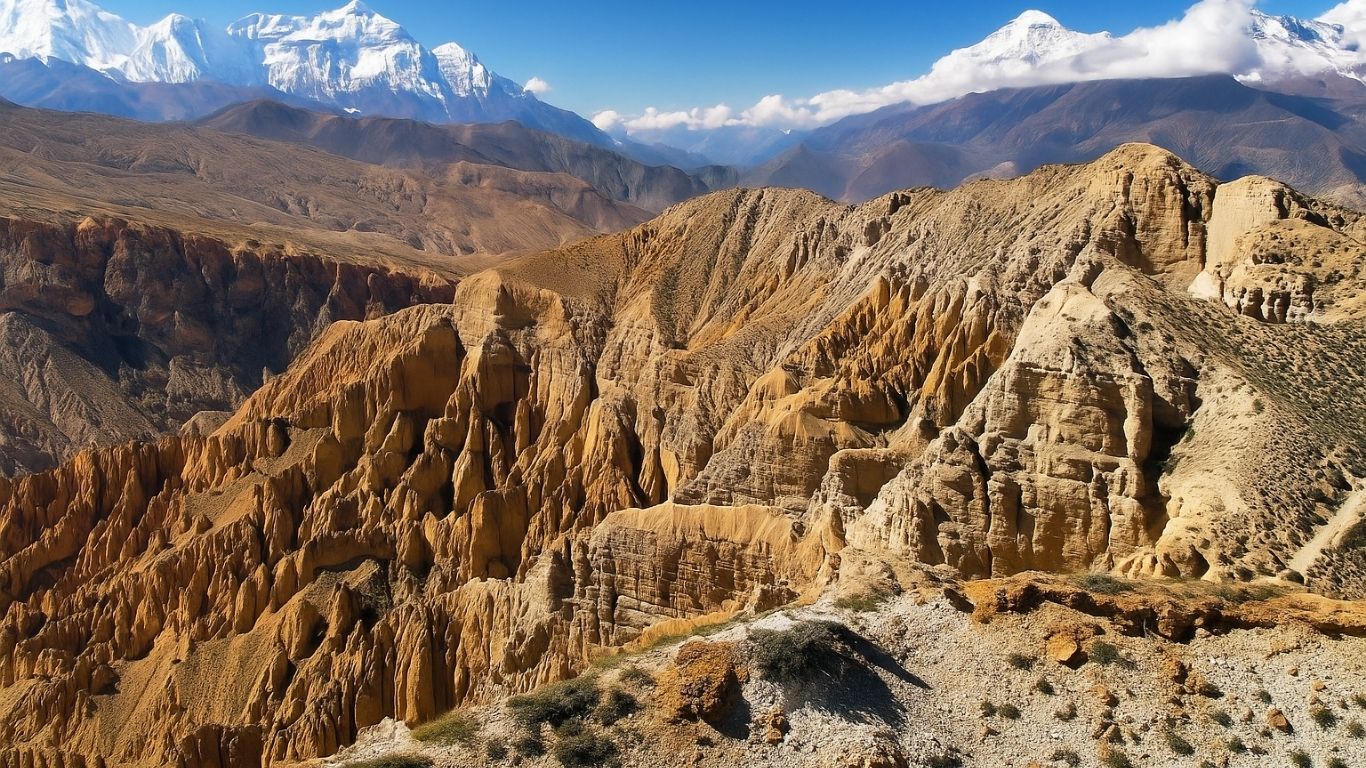
Know the best time to trek in Everest Base Camp, AnnapurnaCircuit, and discover hidden gems like Langtang Valley or Upper Mustang. By understanding Nepal’s trekking seasons, you can plan your Himalayan journey for the perfect mix of weather, scenery, and adventure.

1.    Spring (March – May) – Clear Views and Blooming Rhododendrons

Spring is one of the most loved trekking seasons in Nepal. The weather is mild, the skies are clear, and the hills burst into color with blooming rhododendrons. If you want scenic trails, comfortable trekking days, and stable weather, then this will be the best season for you to trek.

Why trek in Spring?

·        Warm and pleasant temperatures in most trekking regions.

·        Long daylight hours for extended hiking days.

·        Stunning panoramic mountain views.

Highlights:

·        Best time to photograph rhododendron forests in full bloom.

·        Clear visibility for Everest, Annapurna, Langtang, and more.

·        Stable weather for high-altitude treks.

Recommended Treks:

·        Everest Base Camp Trek

·        Annapurna Circuit Trek

·        Mardi Himal Trek

·        Langtang Valley Trek


2.    Summer / Monsoon (June – August) – Green Landscapes and Fewer Crowds

In the monsoon, Nepal transforms into a lush green paradise. While heavy rain can make some trails muddy and slippery, certain areas in the rain shadow are relatively dry, like Upper Mustang and Nar Phu.  

Why trek in Summer?

·        Vibrant green landscapes after rainfall.

·        Dramatic skies and clear mornings for photography.

·        Quieter trails with fewer trekkers.

Highlights:

·        Ideal for off-the-beaten-path treks in dry regions.

·        Authentic village experiences without tourist rush.

Recommended Treks:

·        Upper Mustang Trek

·        Nar Phu Valley Trek


3.    Autumn (September – November) – Peak Trekking Season

Autumn is the most popular time for trekking in Nepal. The weather is crisp and cool, the skies are crystal clear, and the mountains are at their most majestic. If you are looking for the best time to trek to Everest Base Camp or Annapurna Circuit, then this is your best time to trek.

Why trek in Autumn?

·        Perfect balance of warm days and cool nights.

·        Best mountain visibility of the year.

·        Lively atmosphere in teahouses with trekkers from all over the world.

Highlights:

·        Clear skies for uninterrupted Himalayan views.

·        Cultural immersion during festivals like Dashain and Tihar.

Recommended Treks:       

·        Annapurna Base Camp Trek

·        Gokyo Lake Trek

·        Everest Base Camp Trek

·        Langtang Valley Trek


4.    Winter (December – February) – Peaceful Trails and Snowy Peaks

Winter offers a completely different charm in Nepal. The trails are peaceful, the peaks are covered in snow, and the atmosphere feels magical. While high passes may be inaccessible, mid-altitude treks and perfect this time of year.

Why trek in Winter?

·        Fewer trekkers, creating a quiet and peaceful experience.

·        Crisp mountain views after occasional snowfalls.

·        Lower costs for accommodation and services.

Highlights:   

·        Perfect for short scenic treks.

·        Ideal for photographers chasing snowy landscapes.

Recommended Treks:

·        Ghorepani Poon Hill Trek

·        Khumai Danda Trek

·        Helambu Trek


Quick Season Comparison


SeasonTemperatureVisibilityCrowd LevelRecommended Treks
SpringMild & PleasantExcellentMediumEverest Base Camp, Annapurna Base Camp, Langtang Valley, Mardi Himal
SummerWarm & WetLimitedLowUpper Mustang, Nar Phu
AutumnCool & ClearExcellentHighAll major Treks
WinterCold & DryGoodLowPoon Hill, Khumai, Helambu


Expert Tips for Choosing the Best Time to Trek in Nepal
  • 1. First-time trekkers should aim for Autumn or Spring for the safest and most enjoyable conditions.
  • 2. Summer trekking is perfect if you want to avoid crowds and enjoy lush green trails.
  • 3. Winter trekking offers budget-friendly adventures with peaceful scenery.
  • 4. Always check the specific trek route conditions before booking, as weather can vary greatly depending on altitude and region.

Plan Your Perfect Trek with Local Experts

With over 12 years of guiding experience, our team at Nepal Boundary Trekking Agency knows every corner of the Himalayas. We help trekkers choose the right route, season, and preparation plan so they can enjoy the best that Nepal has to offer.


📞 Contact us today for free advice or to book your 2026 trek:
📧 nepalboundary@gmail.com
📱 +977-9808908284

Trekking group with Himalayan Mountain in the background

Trekking in Nepal 2025: Best Treks, Seasons, Tips and More

01/08/2025

Why Trekking in Nepal?

Namaste! I'm Yogesh Kunwar, founder of Nepal Boundary Trekking. For the past 12+ years, I've spent my life walking the trails of Nepal, covering over 10,000+ kilometers across the Himalayas. From Everest Base Camp to the hidden valleys of Dolpo, I’ve seen it all. What makes a trek unforgettable? It’s not just the mountains,  it’s the people, the culture, the stories, and those little unexpected moments on the trail.

This blog isn’t written from behind a desk, it's built on real-life adventures. So if you're planning to go trekking in Nepal in 2025, or even just dreaming about it, here’s everything you need to know to make it amazing.


🏞️ Top 5 Treks in Nepal (2025)

1. Everest Base Camp Trek (12–14 Days)


 The classic! This legendary trek offers jaw-dropping views of Mt. Everest, Lhotse, and Ama Dablam. You’ll pass through the Sherpa hub of Namche Bazaar, visit the peaceful Tengboche Monastery, and end up at Kala Patthar, which is the best viewpoint for Everest.

    Best Season: March–May, September–November


2. Annapurna Circuit Trek (12–18 Days)


 This high-altitude circuit trek is full of changing landscapes and cultural variety. You’ll hike through lush forests, cross Thorong La Pass (5,416m), and soak your tired legs in the hot springs of Tatopani.

    Best Season: March–May, September–November


3. Mardi Himal Trek (6–8 Days)


This is my personal favorite short trek. It’s quieter, incredibly scenic, and close to Pokhara. You can see the stunning views of Machhapuchhre (Fishtail), Annapurna South, and Hiunchuli.


    Best Season: March–May, October–December


4. Manaslu Circuit Trek (14–17 Days)


If you're looking for a real adventure, this off-the-beaten-path trek is for you. With fewer trekkers and a wild vibe, it’s a gem. It does need a special permit, but it’s worth every step.


    Best Season: March–May, September–November


5. Langtang Valley Trek (7–10 Days)


Just a few hours from Kathmandu, this trek is perfect for beginners or those short on time. You’ll get to see glaciers, high peaks, and dive into the rich Tamang culture.

    Best Season: March–May, September–December


📅 Best Time for Trekking in Nepal

Timing can make or break your trek. Here's a quick breakdown of trekking seasons in Nepal:


    Spring (March to May): Clear skies, rhododendron blossoms, warm days.


    Autumn (September to November): Best visibility and stable weather.


    Winter (Dec–Feb): Cold but good for low-altitude treks.


    Monsoon (June–August): Not ideal due to rain, except in Mustang or Dolpo.


🎒 What to Pack – Yogesh’s Trekking Checklist

Here’s what I always advise clients to bring:

    🥾 Comfortable trekking boots (already broken in)

   🧥 Layered clothing: base layer, fleece, down jacket, and waterproof shell

   🛏️ Sleeping bag (rated at -10°C or lower)

  🚶 Trekking poles and headlamp

   🩺 Personal first aid kit and water purifier

  📷 Power bank and camera (optional, but highly recommended)

 👉 Travel light. The lighter your bag, the better your trek.


⚠️ Common Mistakes to Avoid

 ❌ Skipping acclimatization days (especially above 3,000m)

 ❌ Forgetting permits (TIMS, ACAP, or restricted area permits)

 ❌ Ignoring insurance (rescue helicopter is expensive)

 ❌ Underestimating altitude (drink water, rest, and listen to your body)


💡 Why Trek With Nepal Boundary Trekking?

I started Nepal Boundary Trekking with one simple goal: to give travelers an authentic, safe, and unforgettable experience. When you trek with us, you're not just booking a trip; you’re becoming a part of our trekking family.

 ✅ Experienced local guides and porters

 ✅ Customized itineraries based on your pace

 ✅ Full support from Kathmandu to the final destination

 ✅ Respect for nature, culture, and your comfort


Many of our trekkers return again — because our trips are about people, not just mountains.

❓ Frequently Asked Questions

Q: Is Nepal safe for trekking in 2025?

Yes — with proper planning and a licensed guide, Nepal is very safe for trekking.


Q: Do I need a guide?

While solo trekking is allowed in some areas, I always recommend using a licensed guide and porter for safety, comfort, and cultural insight.


Q: What’s the best trek for first-timers?

I recommend Mardi Himal, Poon Hill, or Langtang Valley for beginners.


Q: How do I get trekking permits?

We take care of all permits and logistics once you book with us.

📞 Ready to Plan Your Trek?

If you're dreaming of trekking in Nepal in 2025, I’d love to help. Whether you’re looking for a short scenic trek or a once-in-a-lifetime Himalayan expedition, I’ll guide you every step of the way.


👉 Check Out Our Trekking Packages

👉 Contact Nepal Boundary Trekking Agency


Annapurna Circuit Trek

🏔️ My 12-Day Annapurna Circuit Trek Experience - A Guide's Personal Journey

27/06/2025

By Yogesh Kunwar – Founder & Trekking Guide


The Annapurna Circuit Trek isn't just a popular trekking route. It's a life-changing journey through some of Nepal’s breathtaking landscapes, vibrant mountains, ancient villages, and spiritual moments. I’ve led this trek many times, but each time, it brings something new. Here, I’ll share my recent 12-day Annapurna Circuit experience, step by step—from Dharapani to Thorong La Pass, all the way to Pokhara.


🚙 Day 1: Jeep Ride to Dharapani

We kicked off this trek with a long yet scenic jeep ride from Kathmandu to Dharapani. It's bumpy, no doubt, but the excitement of entering the mountains makes it all worth it. Dharapani marks the real beginning of the trek, surrounded by pine forests and the vibe of the mountains all around you. 

Tip: If you're booking with a local Annapurna Circuit trek agency, ask them to manage a comfortable jeep transfer. It makes a huge difference.


🪶 Day 2: Dharapani to Chame

After a good night's sleep, we began our trek from Dharapani to Chame, the district headquarters of Manang. The trail passed through beautiful and dense pine forests, traditional houses, and peaceful Buddhist chortens. Food and accommodation in Chame were excellent—clean rooms, warm meals, and friendly local people.


🍏 Day 3: Came to Upper Pisang (via Bhartang Apple Farm)

After around 1.5 hours of walking from Chame, we reached Bhartang Village, famous for its apple farming. Here, I had fresh apple juice and apple cider (apple slider)—hands down the best I've ever had. As a guide, I always stop here with my groups. After that refreshing break, we continued to Upper Pisang, where the magical views of Annapurna II and nearby peaks literally stopped us in our track.


🌾 Day 4: Upper Pisang to Manang

This stretch is my personal favorite part of the trek. The trail runs through breathtaking landscapes, Tibetan-influenced villages, and towering cliffs. The air starts to thin out, but the landscapes become more dramatic with every stepManang sits at 3,540 meters and is one of the most charming places in the Annapurna region.

We stayed in a cozy teahouse, but I also explored small local restaurants where I had delicious yak sukuti (Nepali dried, smoky meat snack) and momos. Sukuti, especially from yak meat, is smoky, chewy, and full of flavor. For the real taste of Manang, yak sukuti is a must-try dish.


🏔️ Day 5–6: Acclimatization in Manang

Proper acclimatization is key to avoiding altitude sickness. We spent two nights here for acclimatization. On our rest day, we hiked 500m uphill to a tea house with an amazing mountain view, had some tea, and came back down to visit the Gangapurna Lake—a glacial lake with stunning turquoise water.


⛰️ Day 7: Manang to Ledar (4,200m)

Leaving Manang, the terrain turns alpine and rugged. We moved slowly to Ledar, enjoying the alpine landscape. The climb isn't too harsh, but the air gets thinner, and the views become even more dramatic. Ledar was cold but peaceful.


🏥 Day 8: Ledar to High Camp

Although we initially planned to stop at Low Camp, everyone in the group felt strong, so we pushed on to High Camp at 4,900m after 1 hour of  hiking. It was a bit tough climb, but it paid off the next morning by giving us a head start on crossing the pass.


❄️ Day 9: Thorong La Pass (5,416m) to Muktinath

This was the big day. We woke up at 3:00 am, packed our breakfast, and hit the trail with headlamps on. After around 3 hours of steady climbing, we reached Thorong La Pass, the highest point of the trek.  It was freezing cold but insanely beautiful. The sense of achievement up there is hard to describe. At 5,416m, with prayer flags fluttering and snow under our boots, it felt like standing on the roof of the world.

After a short break for the views and photos, we began the long descent to Muktinath, which took around 6 hours. While it was exhausting, the views and spiritual vibe of the town kept us going. We stayed the night in this sacred town.


📟️ Day 10: Visit to Muktinath Temple, Drive to Pokhara

The next morning, we visited Muktinath Temple, bathed under the 108 holy taps, and offered our prayers. After breakfast, we took a jeep ride and reached Pokhara by late afternoon.

It felt amazing to walk along Phewa Lake that evening, a perfect way to end a long trek. 


🌄 Day 11: Exploring Pokhara

This was a chill day in Pokhara. We visited:

1. Pumdikot Shiva Statue

2. World Peace Pagoda

3. International Mountain Museum

4. A 2-hour boating trip on Phewa Lake

We wrapped up the day with a delicious dinner at Godfather Pizzeria, a must-try if you are in town.


✈️ Day 12: Return to Kathmandu

After breakfast, we took a short flight back to Kathmandu, bringing home incredible memories and the feeling of accomplishment. Every trek has its own magic and vibe, but this one was unforgettable.


Ready For The Trek of a Lifetime?

Let's make it happen together. It would be my pleasure to guide you personally through one of Nepal's most iconic trails, whether you are a solo traveler or in a group.

Need help planning your route, gears, or itinerary? Nepal Boundary Trekking Agency is here to help you make your Annapurna Circuit Trek unforgettable in 2025.

Conclusion

As a trekking guide, I can confidently say the Annapurna Circuit Trek in 2025 is still one of the best long-distance treks in the world. The landscapes, local culture, food, and, of course, my amazing group made it unforgettable.

If you’re planning the Annapurna Circuit Trek, I highly recommend this route. Take your time, stay hydrated, and don’t miss Bhartang apple juice, yak sukuti, or a peaceful moment in Manang.


Buddhism in Nepal

Discover Buddhism in Nepal: A Journey of Peace and Enlightenment

20/06/2025

Nepal is a sacred land where the enlightened one, Siddhartha Gautama - the Buddha, was born over 2,600 years ago. As the birthplace of Buddhism, Nepal holds immense spiritual value for Buddhists around the world.

But Buddhism in Nepal is not just ancient history - it's a living religion, practiced daily by millions in monasteries, temples, and mountain villages.


A Peaceful Blend of Faiths

Buddhism and Hinduism coexist harmoniously in Nepal. You’ll often find Buddhist stupas beside Hindu shrines, and many deities are shared between the two faiths.

   The majority of Buddhists in Nepal belong to:

  1. The Newar Buddhists in Kathmandu Valley (Mahayana tradition)
  2. The Tibetan Buddhist communities in northern Nepal (Vajrayana tradition)
  3. Theravada Buddhist monks who have revived monastic traditions in the modern era


Key Buddhist Sites in Nepal

1. Lumbini – Birthplace of the Buddha

  • Located in the Rupandehi district of southern Nepal, Lumbini is a UNESCO World Heritage Site and one of the most sacred Buddhist destinations in the world.

    Highlights:

    • Maya Devi Temple (Buddha’s birthplace)
    • Ashoka Pillar
    • Sacred Pond and ancient Bodhi Tree
    • Lumbini is not just a site. It’s a symbol of peace, visited by both pilgrims and peace-seekers from around the globe.


2. Boudhanath Stupa – Heart of Tibetan Buddhism

One of the largest stupas in the world, Boudhanath in Kathmandu, is a center of Tibetan Buddhism. Its peaceful atmosphere, spinning prayer wheels, and fluttering prayer flags attract thousands of pilgrims and tourists daily.


3. Swayambhunath – The Monkey Temple

Sitting atop a hill, Swayambhunath offers panoramic views of Kathmandu Valley and a deep spiritual presence. It’s believed to be one of the oldest Buddhist sites in Nepal.


4. Kopan Monastery

Located just above Boudhanath, Kopan Monastery is a peaceful retreat center offering meditation courses, teachings, and spiritual guidance for foreigners. Run by the Foundation for the Preservation of the Mahayana Tradition (FPMT), it’s a great place to deepen your understanding of Tibetan BuddhismMany visitors stay for a week or longer to reconnect with themselves in a peaceful setting.


5. Namobuddha

About 40 km southeast of Kathmandu, Namobuddha is a tranquil hilltop pilgrimage site where the Buddha, in a past life, offered his body to a starving tigress and her cubs — a story that represents the ultimate story of compassionSurrounded by forest, prayer flags, and monastic chants, Namobuddha is a place of deep reflection and serenity.


Buddhism Today in Nepal

In Nepal, Buddhism isn't just something you read about, it's something you experience.

From monks chanting in ancient monasteries to locals doing morning koras around stupas, the religion is deeply woven into daily life. You'll see it in street-side butter lamps, in spinning prayer wheels, and in the smiles of humble monks and nuns. Tourists often come for:

  • Medication retreats
  • Monastic experiences
  • Spiritual treks to sacred places like Lumbini and Tengbon


    Monastic experiences

    Spiritual treks to sacred places like Lumbini and Tengboche


    International Monastic Zone (with monasteries from 20+ countries)

    Everest Base Camp Trek

    Everest Base Camp Trek - A Once-in-a-Lifetime Journey to the Foot of the World's Highest Peak

    20/06/2025

    The Mount Everest Base Camp Trek is one of the most unforgettable and beautiful journeys you can take in Nepal. It leads you into the heart of the Himalayas and offers you breathtaking views, rich Sherpa culture, and that once-in-a-lifetime moment of standing at the foot of the world’s highest peak (5,364m). This trek takes both your breath and heart away, literally and emotionally, at an elevation of Everest Base Camp.

    Along the trail, you’ll pass through villages like Namche Bazar, Tengboche Monastery, and Kala Patthar. The temperature of Everest Base Camp can drop below freezing, especially at night. So, packing right is the key to comfort and safety.

    When it comes to planning, many people wonder about the cost of the Mount Everest Base Camp Trek. The cost varies depending on your trekking style, like guided group tours, solo treks with porters, or luxury packages. On average, you can expect the total cost to range from $1,500 to $2,500, including a Domestic flight (Kathmandu-Lukla-Kathmandu), a licensed trekking guide and porter, all necessary trekking permits, meals (breakfast, lunch, dinner), and airport transfer.


     Why Trek to Everest Base Camp?


      * Standing at the Foot of the World's Highest Peak, Mount Everest.

    1.   * Walk in the footsteps of legendary climbers like Edmund Hillary and Tenzing Norgay.
      * Experience the stunning scenery of the Khumbu region and Sagarmatha National Park.

      * Visit iconic places like Namche Bazaar, Tengboche Monastery, and Kala Patthar (5,545m).

      * Witness the unique Sherpa culture and Buddhist traditions along the trail.

    📍 Everest Base Camp Trek Route


    The classic Everest Base Camp trek kicks off with a scenic flight from Kathmandu to Lukla, and trust me, that flight alone is an adventure. The journey begins from Lukla as you pass through beautiful villages like Phakding, the bustling Sherpa hub of Namche Bazaar, the spiritual stop of Tengboche, and then up to Dingboche and Lobuche. Eventually, you’ll make it to the legendary Everest Base Camp at a height of 5,364 meters. On the way back, you’ll take a short tour to Kala Patthar, one of the best viewpoints to see a jaw-dropping sunrise over Mount Everest, before making your way back down to Lukla.


    🗓️ Best Time to Go


    Spring (March to May) is a fantastic time to trek to Everest Base Camp. The skies are usually clear, the trails are lined with blooming rhododendrons, and the temperatures are just right for hiking. You’ll enjoy crisp mountain views, fewer weather disruptions, and vibrant scenery that makes your journey even more memorable.

    Autumn (September to November) is considered the best season for the Everest Base Camp trek. The weather stays stable, with cool mornings and evenings and mild daytime temperatures. Visibility is at its peak during this time, giving you stunning, unobstructed views of Mount Everest and the surrounding Himalayan giants.

    💡 Tips for a Successful Trek


     *  Train for endurance with regular hiking or cardio workouts before your trek.

     *   Pack light but essential gear (warm layers, down jacket, water purification).

     *  Acclimatize properly — don’t rush! Include 2 acclimatization days (Namche & Dingboche).

     *  Stay hydrated and avoid alcohol at high altitudes.

     * Hire a licensed local guide and porter to support you (and the local economy).

    📷 Highlights Along the Trail


      * Everest view from Hotel Everest View (Namche)

      * Tengboche Monastery – spiritual heart of the Khumbu

      * Khumbu Glacier and icefall near Base Camp

      * Unmatched view from Kala Patthar – sunrise over Everest!

    🎒 Is the Everest Base Camp Trek Difficult?


    It’s a bit of a challenge, but nothing extreme. You don’t need any climbing skills or ropes, just a decent level of fitness, the right mindset, and some determination. The trek is more about endurance and adjusting to the altitude than anything technical. And don’t worry, with the right preparation and our best experienced team at Nepal Boundary Trekking Agency by your side, we’ll make sure your journey is not just safe, but unforgettable too.

    🚶 Book Your Adventure


    Boudhanath stupas in Kathmandu, Nepal - a UNESCO World Heritage Site and one of the largest Buddhist stupa in the world, with colorful prayer flags and a serene spiritual ambiance.

    Discovering Kathmandu: A Journey Through Nepal’s Cultural Heart

    20/06/2025

    Located in the heart of the Himalayas, the capital of Nepal, Kathmandu, is more than just a vibrant tapestry of culture, history, spirituality, and a gateway to treks. It's a living, breathing city. If you are someone who loves discovering unique cultures, vibrant street life, and hidden temples, then Kathmandu will blow your mind

    First Impressions: Chaos Meets Charm

    As soon as you land in Kathmandu, except a sensory overload. Traffic honks echo through narrow streets, and the air smells like a mix of incense and dust, and the city pulses with life. But stick around for a while, and the city slowly reveals its magic. Prayer flags flutter in the wind, Monks hmmm.. chant softly in the distance, and locals greet you with warm smiles. It is an unexpected contrast that makes the Kathmandu Valley attractions so unforgettable.


    Must-Visit Places in Kathmandu


    1. Swayambhunath Stupa (Monkey Temple)

    This ancient stupa sits proudly on a hilltop, offering a panoramic view of the Kathmandu Valley. As you climb the stairs (alongside cheeky monkey), the city opens up below you. With eyes watching in all four directions, the stupa itself is rich in symbolism. Sunset from here is absolutely magical. 


    2. Pashupatinath Temple

    A UNESCO World Heritage Site, Pashupatinath is one of the most sacred Hindu temples in the world. Join the crowd at dusk for the evening aarti, a stunning fire and chanting ritual by the Bagmati River. Even if you're not religious, the atmosphere is deeply moving.


    3. Boudhanath Stupa

    This massive stupa is the heart of Tibetan Buddhism in Nepal. It's the perfect place to slow down and reflect. Walk clockwise with the monks, spin the prayer wheels, and absorb the peaceful energy. Surrounded by Tibetan shops and cafes, Boudhanath is a center of Tibetan Buddhism in Nepal.


    4. Kathmandu Durbar Square

    This historical square showcases exquisite Newar architecture, centuries-old temples, courtyards, and palaces. Despite damage from the 2015 earthquake,  it still holds royal grandeur and remains a cultural hub.


    Food in Kathmandu: A Flavorful Adventure

    A journey for the taste buds, Kathmandu's culinary scene reflects its cultural melting pot. From spicy food to cozy traditional eateries, there's something for every palate.

    Must-try: 

    1. Street Momos at Asan Bazar (hot and juicy)

    2. Newari Dishes with buffalo meat and spicy pickles

    3. A fresh brew at Himalayan Java Cafe for the caffeine fix

    4. Vegan and Vegetarian dishes at Samyak in Thamel

    Explore Thamel City: Souvenirs and Spirituality

    Thamel is the beating heart of Kathmandu’s tourism. It’s where you’ll find everything from yak wool scarves and singing bowls to trekking gear and traditional thangka paintings. Bargaining is part of the culture—so negotiate with a smile!


    Tips for a Smooth Visit

    • Dress modestly, especially at temples and religious sites.

    • Be prepared for power cuts and occasional water shortages.

    • Carry a mask, especially during the dry season—dust and pollution can be intense.

    • Respect local customs, especially around sacred spaces.


    Final Thoughts: A City That Stays With You

    Kathmandu doesn't try to impress you with polish; it wins you over with soul. It's the ancient stalls, the sound of bells echoing at sunrise, and people who make you feel at home. It's not just a stopover; It's a story that you'll carry forever. 

    So, if you are ready for the wild, the sacred, and the unexpected, pack your bags and head to Kathmandu. The capital of Nepal is calking.

    Nimsdai on peak

    Nimsdai’s Project Possible: How Nirmal Purja Climbed 14 Peaks in 6 Months

    01/10/2025

    Climbing one of the world’s highest peaks is a dream that takes years of preparation, immense courage, and a strong body. For many mountaineers, just reaching the summit of Mount Everest is the achievement of a lifetime. But what if someone told you they could climb all 14 of the world’s highest mountains — each over 8,000 meters — in just a few months?

    That’s exactly what Nirmal Purja, also known as Nimsdai, set out to do with his ambitious mission, Project Possible. And unbelievably, he did it — completing the challenge in just 6 months and 6 days, smashing the previous record that had stood for years.

    This is not just a mountaineering story. It’s about discipline, resilience, teamwork, and redefining human limits. Let’s dive into how Nimsdai achieved one of the greatest mountaineering feats in history.


    Who is Nirmal Purja (Nimsdai)?

    Nirmal Purja, better known by his nickname Nimsdai, is a Nepali mountaineer with a story as inspiring as his achievements. Born in Myagdi, Nepal, and later raised in Chitwan, his early life was humble. Unlike many professional climbers, Nirmal didn’t grow up in the Himalayas chasing peaks.

    Instead, he first built his career in the military. He joined the Gurkhas, an elite military unit in the British Army known for their bravery. Later, he served in the UK Special Boat Service (SBS), one of the most elite forces in the world. His military background taught him discipline, endurance, and leadership — all of which became critical for his mountaineering journey.

    Leaving behind a stable career in the military wasn’t easy, but Nimsdai had a bigger dream: to show the world what was possible in mountaineering and to prove that “Nothing is Impossible.”


    What Was Project Possible?

    Project Possible was Nimsdai’s bold mission to climb all 14 of the world’s 8,000-meter peaks in under 7 months. For context, the previous record for this challenge was nearly 8 years.

    Here’s why the challenge was groundbreaking:

    • Altitude: At 8,000 meters, the human body starts to shut down. This zone is often called the “Death Zone.”
    • Logistics: These peaks are spread across Nepal, Pakistan, and Tibet, requiring visas, permits, and tight planning.
    • Weather: Each peak has a small climbing window, making timing critical.
    • Funding: Mountaineering at this level is expensive, and Nimsdai initially struggled to secure sponsors.

    Despite these challenges, he went ahead, naming it Project Possible because he wanted to prove that limits exist only in the mind.


    Timeline of Project Possible


    Nimsdai broke down the challenge into three phases across different regions of the Himalayas and Karakoram.


    Phase 1 (April–May 2019) – Nepal (6 Peaks)

    • Annapurna (April 23, 2019) – One of the most dangerous peaks.
    • Dhaulagiri (May 12, 2019) – Harsh weather tested the team.
    • Kanchenjunga (May 15, 2019) – Nims rescued climbers even while pushing his limits.
    • Everest (May 22, 2019)
    • Lhotse (May 22, 2019) – Climbed right after Everest.
    • Makalu (May 24, 2019)

    This was also when his viral photo of the Everest traffic jam shook the world. That image showed the long line of climbers waiting to summit Everest — highlighting overcrowding issues in modern mountaineering.


    Phase 2 (July 2019) - Pakistan (5 Peaks)

    • Nanga Parbat (July 3, 2019)
    • Gasherbrum I (July 15, 2019)
    • Gasherbrum II (July 18, 2019)
    • K2 (July 24, 2019) – Known as the “Savage Mountain,” it’s considered the hardest of them all. In fact, Nims’ team was the only one to summit K2 that season.
    • Broad Peak (July 26, 2019)


    Phase 3 (September–October 2019) – Tibet (3 Peaks)

    • Cho Oyu (September 23, 2019)
    • Manaslu (September 27, 2019)
    • Shishapangma (October 29, 2019) – The final summit that completed Project Possible.


    By the end, he had summited all 14 peaks in 189 days — an achievement many thought was humanly impossible.


    Challenges Faced During Project Possible

    Every great achievement comes with obstacles, and Nimsdai’s journey was no different.

    1. Hypoxia and Fatigue – At extreme altitudes, oxygen levels drop drastically, causing hypoxia (lack of oxygen). Yet Nims pushed through.
    2. Financial Struggles – He even remortgaged his house to fund the project before sponsorships came in.
    3. Unpredictable Weather – Peaks like Annapurna and K2 are infamous for deadly conditions.
    4. Political and Bureaucratic Hurdles – Securing permits, especially for Shishapangma in Tibet, wasn’t easy.
    5. Physical Exhaustion – Climbing one 8,000-meter peak takes a massive toll. Doing 14 back-to-back was unheard of.


    Key Achievements of Project Possible

    Nirmal Purja’s project created several world records and unforgettable moments:

    • Fastest ascent of all 14 peaks – Completed in 6 months, 6 days.
    • Everest, Lhotse, and Makalu in 48 hours – Three 8,000m peaks in just 2 days.
    • Rescue Missions – He saved multiple climbers during his own climbs.
    • Recognition of Sherpas – He highlighted the contributions of Nepali Sherpas, giving them global attention.
    • Global Awareness – His viral photo from Everest became one of the most iconic mountaineering images of all time.


    The Impact of Project Possible

    Nimsdai’s mission wasn’t just about breaking records; it changed the way the world looked at mountaineering.

    • Inspiration Worldwide – Millions watched his journey and felt motivated to push their own limits.
    • Netflix Documentary: 14 Peaks: Nothing is Impossible – Released in 2021, it introduced his story to a global audience.
    • Nepalese Pride – He put Nepalese climbers at the center of world mountaineering conversations.
    • Redefining Human Potential – His story proved that with the right mindset, training, and teamwork, impossible dreams can be turned into reality.


    Lessons We Can Learn from Nimsdai

    1. Discipline Matters – His military background taught him structure and endurance.
    2. Teamwork is Everything – He constantly credits his Sherpa teammates.
    3. Resilience Over Circumstance – Even when sponsorships fell through, he kept going.
    4. Dream Big – Setting impossible goals can change not just your life, but the lives of others.


    Frequently Asked Questions (FAQs):


    1. What is Nirmal Purja’s Project Possible?

    Project Possible was Nirmal Purja’s mission to climb all 14 of the world’s peaks above 8,000 meters in under 7 months. He completed it in just 6 months and 6 days in 2019.


    2. How many mountains did Nimsdai climb in Project Possible?

    He climbed all 14 mountains over 8,000 meters, including Everest, K2, Annapurna, and Shishapangma.


    3. What record did Nirmal Purja set?

    Nirmal Purja set the world record for the fastest ascent of all 14 peaks above 8,000m, completing them in less than 7 months.


    4. What is the Netflix documentary about Nimsdai?

    The documentary is called “14 Peaks: Nothing is Impossible” and it covers his incredible journey through Project Possible.


    5. Why is Nirmal Purja famous?

    He is famous for his mountaineering achievements, including his Project Possible record, his viral Everest traffic jam photo, and for highlighting the role of Nepalese Sherpas in global mountaineering.


    Conclusion

    Nimsdai’s Project Possible is more than just a climbing record. It’s a story of determination, courage, and a refusal to accept limits. In just 6 months, he achieved what the world thought would take decades.

    For anyone chasing big dreams, whether it’s in sports, business, or personal life, Nimsdai’s story is a reminder that limits exist only in the mind. When you combine passion with persistence, truly nothing is impossible.

    Everest Base Camp Death Zone

    How the Death Zone Affects the Human Body: Science Explained

    01/10/2025

    Climbing Mount Everest is one of the greatest achievements a human can attempt. But beyond the glory and breathtaking views lies the most dangerous part of the mountain — the Death Zone. This is where survival becomes a race against time, and even the strongest bodies begin to shut down.

    At this altitude, oxygen is scarce, the air is freezing, and the risks are life-threatening. But what exactly happens to the human body in the Death Zone? Let’s dive deep into the science and the stories behind it.


    What Is the Death Zone on Mount Everest?

    The Death Zone is the section of Mount Everest that lies above 8,000 meters (26,247 feet). At this height, the amount of oxygen available for breathing drops to about one-third of sea level.

    To put it into perspective:

    • At sea level, oxygen saturation in our blood is normally around 95–100%.
    • In the Death Zone, it can drop to 65% or lower, which is dangerously low for basic survival.

    This oxygen starvation means the human body cannot sustain life for long without help. Unlike lower altitudes where your body slowly adjusts, in the Death Zone, the body begins breaking down almost immediately.

    That’s why climbers call it “the point of no return.”


    1.    Lack of Oxygen (Hypoxia) and Its Impact

    The most severe effect of the Death Zone is oxygen deprivation, medically known as hypoxia.


    2.    How Oxygen Levels Drop in the Death Zone

    Every breath at 8,000 meters provides only a fraction of the oxygen needed. The lungs can’t supply enough oxygen to the blood, and organs start to suffer.


    3.    Brain Effects

    The brain is highly sensitive to oxygen loss. Climbers often experience:

    • Slowed reaction times
    • Impaired decision-making
    • Hallucinations and confusion
    • Loss of balance and coordination

    This explains why even experienced climbers make fatal mistakes, such as removing their oxygen masks or wandering off the path.


    4.    Body Effects

    Muscles also weaken dramatically in the Death Zone. Taking just a few steps can feel like running a marathon. Simple actions, like clipping into a rope or adjusting equipment, become exhausting.


    5.    Risk of High-Altitude Illnesses

    Aside from low oxygen, the Death Zone triggers several potentially fatal high-altitude illnesses.


    6.    Acute Mountain Sickness (AMS)

    Symptoms include severe headache, nausea, dizziness, and extreme fatigue. While AMS itself isn’t usually fatal, it often progresses into more dangerous conditions if ignored.


    7.    High-Altitude Pulmonary Edema (HAPE)

    HAPE occurs when fluid builds up in the lungs. Climbers struggle to breathe, even while resting, and may cough up frothy, pink fluid. Left untreated, it leads to suffocation.


    8.    High-Altitude Cerebral Edema (HACE)

    HACE is brain swelling caused by lack of oxygen. Symptoms include confusion, poor coordination, irrational behavior, and eventually coma. It is one of the deadliest threats in the Death Zone.

    These conditions are why climbers must constantly monitor themselves and their teammates for warning signs.


    9.    Physical Strain on the Body

    The Death Zone is not just about oxygen — the entire environment attacks the human body.


    10.Frostbite and Hypothermia

    Temperatures can plummet below -30°C (-22°F), with wind chill making it feel even colder. Frostbite can set in within minutes on exposed skin, while hypothermia lowers the body’s core temperature, leading to unconsciousness and death.


    11.Dehydration

    Dry, icy air and heavy breathing dehydrate climbers quickly. Many forget to drink enough water, which worsens headaches, fatigue, and confusion.


    12.Rapid Weight Loss

    In the Death Zone, the body burns enormous amounts of energy just to stay alive. Climbers can lose up to 5–7 kilograms (11–15 lbs) in a single expedition.


    How Long Can the Human Body Survive in the Death Zone?

    Without supplemental oxygen, most people can only survive a few hours in the Death Zone. Even with oxygen tanks, climbers aim to spend no more than 48 hours above 8,000 meters.

    The longer you stay, the higher the risk of organ failure, brain damage, and death. That’s why summit pushes are carefully timed to go up and return as quickly as possible.


    How Climbers Prepare to Enter the Death Zone

    Preparation is everything when it comes to survival. Climbers take several steps before facing the Death Zone:

    1. Supplemental oxygen: Most climbers carry tanks to boost oxygen intake.
    2. Acclimatization: They climb up and down different sections of Everest multiple times before the final push. This helps the body adjust to thinner air.
    3. Training and fitness: Months or even years of endurance training prepare climbers for the physical demands.
    4. Medical checks: Doctors assess climbers’ health before they attempt Everest. Any weakness can become deadly at high altitude.


    Famous Incidents in the Death Zone

    The Death Zone has claimed hundreds of lives over the years. Rescue missions are nearly impossible because helicopters can’t operate at such high altitudes, and carrying another person is physically unmanageable in those conditions.

    One well-known figure is “Green Boots”, a climber who died in the 1990s. His body became a landmark on the Northeast Ridge route, a grim reminder of the dangers above 8,000 meters.

    These haunting stories highlight the reality: once in the Death Zone, every climber is truly on their own.


    The Science Behind Survival in the Death Zone

    Scientists compare the conditions of the Death Zone to outer space. The lack of oxygen, extreme cold, and pressure changes push the body beyond natural limits.

    Studies on Everest climbers help doctors understand:

    • How the brain responds to oxygen deprivation
    • How the heart adapts to stress at high altitude
    • How humans might survive in space or other extreme environments

    So, while the Death Zone is deadly, it has also advanced science in surprising ways.


    Frequently Asked Questions (FAQ):


    Why do climbers die in the Death Zone?

    Most deaths occur due to a combination of hypoxia, exhaustion, frostbite, and altitude illnesses. Poor decision-making caused by oxygen deprivation also contributes to accidents.

    Can helicopters rescue climbers from the Death Zone?

    In most cases, no. The thin air at that altitude doesn’t provide enough lift for helicopters to operate safely.

    How long can you stay in the Death Zone?

    With supplemental oxygen, climbers may last up to 48 hours, but the risks increase dramatically. Without oxygen, survival is only a matter of hours.

    Do all climbers use supplemental oxygen?

    No. A small number of elite climbers attempt Everest without oxygen tanks, but this is extremely rare and highly dangerous.

    Why are bodies left on Mount Everest?

    Due to the extreme conditions, retrieving bodies is nearly impossible. Many remain as permanent markers on the mountain.


    Conclusion

    The Death Zone on Mount Everest is the ultimate test of human survival. With oxygen levels too low to sustain life, the body begins to shut down almost instantly. From brain fog and hallucinations to frostbite and deadly altitude illnesses, the risks are staggering.

    Yet, climbers continue to push into this hostile environment, chasing the dream of standing on top of the world. The Death Zone is not just a section of the mountain — it’s a reminder that nature always has the final say.

    Best Trekking Destination in Nepal

    Why Nepal Is the Ultimate Destination for Trekkers Around the World

    05/10/2025

    If there’s one place on Earth that every trekker dreams of visiting, it’s Nepal. Known as the land of the Himalayas, Nepal offers some of the most breathtaking trails, towering peaks, and cultural experiences you won’t find anywhere else. Whether you’re a beginner or a seasoned mountaineer, trekking in Nepal is an adventure that stays with you forever.


    1. Home to the World’s Highest Peaks

    Nepal is home to 8 of the world’s 14 highest mountains, including the mighty Mount Everest (8,848 m). Treks like the Everest Base Camp Trek and Annapurna Circuit let adventurers get close to these legendary peaks while enjoying dramatic landscapes, glaciers, and Sherpa villages.


    2. Variety of Trekking Routes

    From short scenic hikes to challenging high-altitude expeditions, Nepal has something for everyone.
    Some popular trekking routes include:

    • Everest Base Camp Trek – A bucket-list trek for most travelers.
    • Annapurna Circuit Trek – Famous for its diverse scenery and cultural mix.
    • Langtang Valley Trek – Perfect for beginners who want a Himalayan experience close to Kathmandu.
    • Manaslu Circuit Trek – A remote and less-crowded trail for true adventure lovers.
    • Upper Mustang Trek – A trek into the “Forbidden Kingdom,” rich in Tibetan culture and desert landscapes.


    3. Unmatched Natural Beauty

    Trekking in Nepal means walking through changing landscapes — lush green forests, alpine meadows, snow-covered passes, and serene lakes. You’ll encounter waterfalls, suspension bridges, and clear mountain skies that make every step worth it.


    4. Rich Culture and Warm Hospitality

    Nepal isn’t just about mountains — it’s about people. Trekkers get to experience authentic Nepali and Tibetan cultures, local cuisines, ancient monasteries, and warm-hearted locals who make the journey even more memorable. Staying in teahouses along the trails gives you a true taste of Nepali hospitality.


    5. Affordable Adventure Destination

    Compared to other trekking destinations in the world, Nepal offers world-class adventures at affordable prices. Accommodation, food, and trekking permits are reasonably priced, making it accessible for travelers from all backgrounds.


    6. Year-Round Trekking Opportunities

    Thanks to Nepal’s diverse geography, you can find trekking routes suitable for every season.

    • Autumn (Sept–Nov): Best for clear skies and perfect weather.
    • Spring (Mar–May): Ideal for blooming rhododendrons and mild temperatures.
    • Winter (Dec–Feb): Great for lower-altitude treks.
    • Monsoon (Jun–Aug): Perfect for regions like Mustang and Dolpo that lie in rain shadows.


    Conclusion

    From its towering mountains to its soulful culture, Nepal truly is the ultimate trekking destination. Whether you want to conquer Everest Base Camp or wander through the peaceful Langtang Valley, the trails of Nepal promise adventure, beauty, and memories that last a lifetime.

    So, lace up your boots — your next great trek awaits in Nepal!