
Table of Contents
- Getting to Pokhara: Flights vs. Road Travel
- Tourist Bus from Kathmandu
- Domestic Flights
- Top Things to Do in Pokhara
- Boating on Phewa Lake
- Sarangkot Sunrise Viewpoint
- World Peace Pagoda and Gupteshwor Cave
- Preparing for Annapurna Treks
- Organizing Permits and Logistics
- Gear Shopping in Lakeside
- The Best Time to Visit Pokhara
- Peak Seasons vs. Monsoon
- Practical Tips for Your Stay
- Frequently Asked Questions (FAQs)
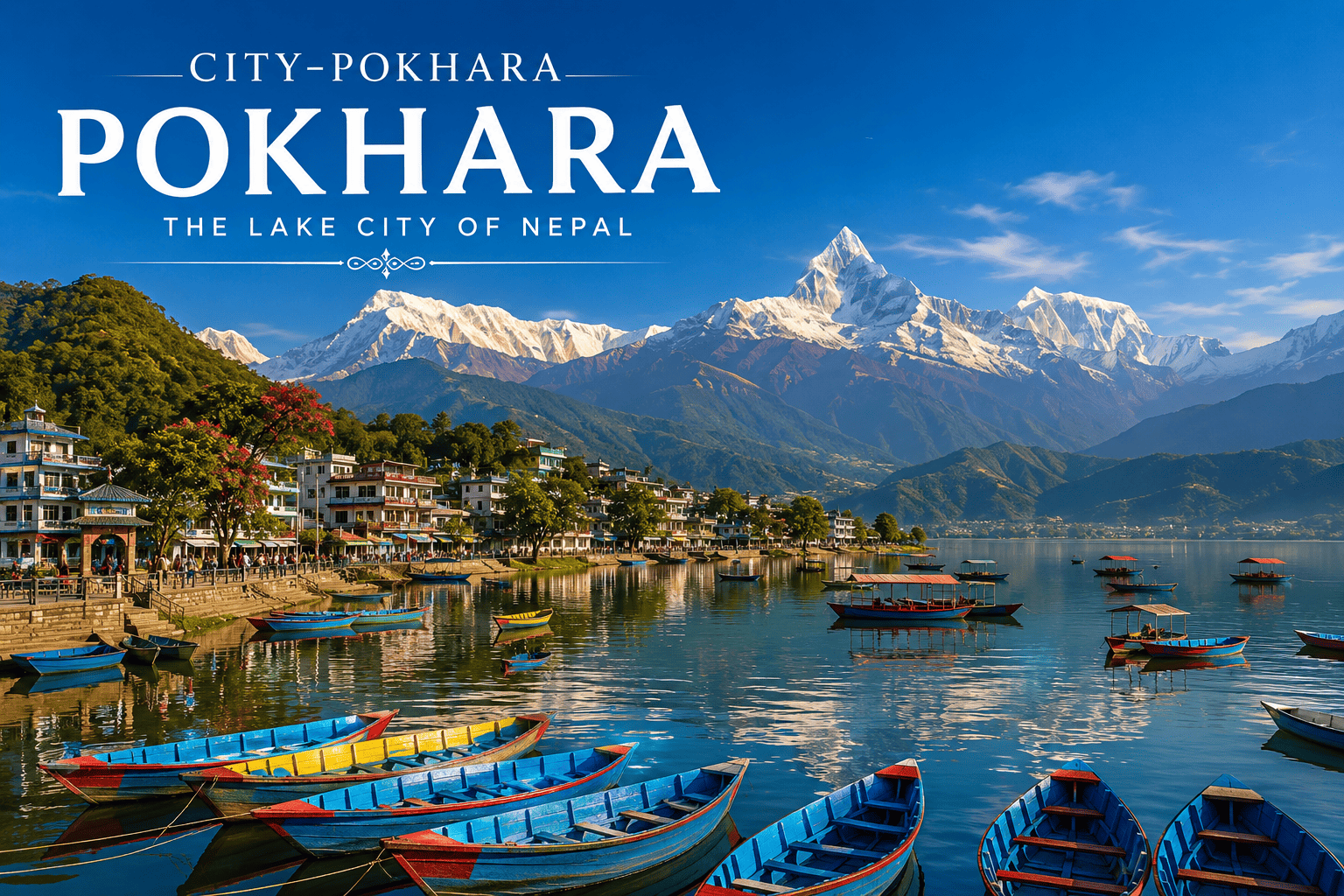
A Complete Travel Guide to Pokhara, Nepal
21/08/2026
Pokhara is the first place most trekkers land before or after their time in the mountains, but it deserves more than a night's stopover. This complete travel guide to Pokhara gives you the exact transport routes, top attractions, and trekking preparations you need for a seamless trip. You will discover exactly how to navigate Lakeside, book your mountain flights, and organize your Annapurna permits without wasting time. Use this breakdown to plan your ideal stay in Nepal's famous lake city.
Getting to Pokhara: Flights vs. Road Travel
Travelers arrive in Pokhara via two main routes from
Kathmandu. You must choose between a rapid domestic flight or a full-day
overland journey. Your decision depends entirely on your budget and available
vacation days.
Tourist Bus from Kathmandu
Taking the tourist bus from Kathmandu to Pokhara gives you a
proper look at rural Nepal and massive river valleys. Standard VIP tourist
buses depart Kathmandu early in the morning and cost between $15 and $25 per
seat. Under normal conditions, this drive takes roughly 6 to 7 hours along the
Prithvi Highway. However, the specific driving time from Kathmandu to Pokhara
during the June-August monsoon season frequently exceeds 9 hours due to heavy
rain and ongoing roadwork.
Domestic Flights
Flying provides the most convenient option for travelers
short on time. A domestic flight from Kathmandu takes only 25 minutes and drops
you directly at Pokhara's regional airport. Sit on the right side of the
aircraft when flying to Pokhara to secure the best aerial views of the
Himalayan range. Book your flights early during the peak October and April
seasons, as airlines sell out these routes weeks in advance.
Top Things to Do in Pokhara
This complete travel guide to Pokhara would not be accurate
without highlighting the city's unique mix of relaxation and outdoor adventure.
Most visitors spend their first two days recovering from jet lag before heading
up into the mountains.
Boating on Phewa Lake
Phewa Lake serves as the geographical and social heart of
the city. Rent a brightly painted wooden boat and row out toward the small Tal
Barahi temple sitting on an island in the middle of the lake. Alternatively,
hire a local oarsman to paddle you across the water while you photograph the
mountain reflections. Finish your day by sitting at one of the lakeside cafes
to watch the paragliders descend over the water at sunset.
Sarangkot Sunrise Viewpoint
Sarangkot provides the classic, unobstructed sunrise view of
the Annapurna and Machhapuchhre peaks. You must commit to a very early start to
catch the best morning light. "Book your Sarangkot taxi the night before
and leave Lakeside by 4:30 AM to beat the heavy crowds to the upper viewing
deck," advises our lead local guide. Bring a heavy jacket, as the hilltop
temperatures drop significantly before dawn.
World Peace Pagoda and Gupteshwor Cave
The World Peace Pagoda offers a quieter alternative to
Sarangkot for panoramic photography. You can hike up the forested ridge
directly or take a short boat ride across the lake followed by a steep
45-minute walk. This vantage point gives you a totally different angle of the
lake and mountains without the chaotic sunrise crowds. Afterward, take a short
taxi ride to Davis Falls and Gupteshwor Cave for an easy half-day excursion.
Preparing for Annapurna Treks
Pokhara operates as the ultimate staging ground for some of
the most famous trekking routes on earth. Treks to Ghorepani Poon Hill, Mardi
Himal, and the massive Annapurna sanctuary all begin just a short drive from
the city limits.
Organizing Permits and Logistics
Before starting our group trek to Annapurna Base Camp last
September, we spent our first two days in Pokhara mapping out regional trekking
routes on interactive digital maps. You must secure the correct documentation
before leaving the city. For 2026, foreign trekkers pay exactly 3,000 NPR for
the Annapurna Conservation Area Project (ACAP) permit and 2,000 NPR for the
Trekkers' Information Management System (TIMS) card. Visit the tourist police
office near Damside to process these applications quickly.
Gear Shopping in Lakeside
Lakeside contains dozens of gear shops selling both
authentic and imitation trekking equipment. You can buy any last-minute gear,
rent heavy down sleeping bags, and purchase specialized water filtration
systems here. Always test zippers and check the seams if you decide to buy
generic trekking poles or backpacks. Carry enough cash for these purchases,
though most large gear shops now accept credit cards with a minor surcharge.
The Best Time to Visit Pokhara
Weather patterns dictate the quality of your mountain views
and the safety of your trekking routes. You must align your travel dates with
Nepal's primary dry seasons to maximize your experience.
Peak Seasons vs. Monsoon
October through November and March through April offer the
clearest skies and most stable weather. These months guarantee sharp mountain
views and moderate daytime temperatures. The monsoon season brings heavy
clouds, constant rain, and thousands of leeches to the trekking trails.
Visibility drops dramatically during the summer, though the city itself remains
perfectly functional if you only have time to visit in July.
Practical Tips for Your Stay
You do not need a taxi for everything, as Lakeside remains
highly walkable and pedestrian-friendly. Follow these quick operational rules
to navigate the city easily:
- Keep
smaller denomination Nepali Rupee notes (50s and 100s) on hand for boat
rentals and street snacks.
- Use
the ATMs clustered along the main Lakeside strip, as cash machines
disappear once you leave the city limits.
- Download
offline maps of the city and your intended trekking routes before leaving
your hotel Wi-Fi.
- Negotiate
all taxi fares before getting inside the vehicle, especially for early
morning trips to Sarangkot or the airport.
Contact us at Nepal Boundary Trekking Agency today to book your
fully customized 7-day Pokhara itinerary with local expert and licensed guide
and secure your domestic flights.
Frequently Asked Questions (FAQs)
Q: How many days do I need in Pokhara?
A: Two to three days is enough to see the main sights - Phewa Lake, Sarangkot sunrise, and one or two viewpoints. If you're starting a trek from here (like Poon Hill or Mardi Himal), add extra days for that.
Q: Is Pokhara worth visiting if I'm not trekking?
A: Yes. Plenty of travelers come just for the lake, the mountain views, and the relaxed pace - you don't need to be doing a trek to enjoy it.
Q: What's the best time to see the mountains clearly from Pokhara?
A: October-November and March-April give the clearest views. During monsoon (June-August), clouds usually block the peaks, so keep that in mind if mountain views are a priority.
Q: Do I need a guide to visit Sarangkot or the World Peace Pagoda?
A: No, both are easy to reach on your own by taxi or a short hike. A guide isn't necessary unless you're combining it with a longer trek.
Q: How do I get from Kathmandu to Pokhara?
A: By flight (about 25 minutes) or by tourist bus (around 6-7 hours by road). Flights are quicker and more reliable if your schedule is tight; the bus ride shows you more of the countryside.
Q: Is Lakeside safe to walk around at night?
A: Yes, Lakeside is well-lit and busy with restaurants and shops in the evening. It's one of the more relaxed, tourist-friendly areas in Nepal.
Q: Can I start a trek directly from Pokhara?
A: Yes! - Ghorepani Poon Hill, Mardi Himal, and the Annapurna Base Camp trek all start from Pokhara, so it works well as your last stop before heading into the hills.