
Table of Contents
- The 12-Day Everest Base Camp Itinerary
- Days 1 to 3: Setting Foot in the Khumbu
- Days 4 to 6: Moving into the Alpine Realm
- Days 7 to 9: Base Camp and Kala Patthar
- Days 10 to 12: Heading Home
- Daily Breakdown
- Permits, Costs, and Logistics
- Permit Costs
- The Ramechhap Flight Connection
- Total Budgeting
- Trail Food and Accommodation
- Pacing and Altitude Safety
- Essential Packing List
- Frequently Asked Questions (FAQs)
Everest Base Camp Trek 2027: Cost, 12-Day Itinerary, Permits & Complete Guide
27/08/2026
You can look at photos of Mount Everest for years, but
nothing prepares you for the moment you round the corner above Namche Bazaar
and see those Himalayan peaks rising right in front of you. Walking through the
Khumbu Valley isn't just about reaching a point on a map. It's a deep immersion
into Sherpa culture, high-altitude trails, and mountain traditions that stay
with you forever.
If you're planning an Everest Base Camp trek for 2027, this
guide breaks down what the trail actually feels like, what it costs, how
permits work, and how to prepare your body for the elevation.
The 12-Day Everest Base Camp Itinerary
A great EBC itinerary balances daily trail miles with smart
rest stops. Our 12-day route gives your lungs the time they need to adapt as
you move from lush green valleys to frozen alpine glaciers.
Days 1 to 3: Setting Foot in the Khumbu
Your journey kicks off with an unforgettable flight into
Lukla. After landing, you meet your local team, strap on your daypack, and
start a gentle 3-hour walk down to Phakding. We keep day one intentionally
short so you can ease into the trail without rushing.
On day two, you follow the turquoise Dudh Koshi River across
towering suspension bridges draped in colorful prayer flags. After entering
Sagarmatha National Park, you tackle the iconic uphill climb into Namche Bazaar
(3,440m). It’s a solid leg workout, but stepping into this mountain town makes
every step worth it.
Day three focuses entirely on acclimatization. Instead of
resting in the tea house all day, you take a scenic hike up toward the Everest
View Hotel or Khumjung village. The Golden Rule of high-altitude trekking is
simple: climb high during the day, then sleep lower at night.
Days 4 to 6: Moving into the Alpine Realm
Leaving Namche on day four, the trail rewards you with
sweeping views of Ama Dablam, Lhotse, and Everest. You stop in Tengboche to
visit its famous monastery, an important spiritual center where you can hear
monks chanting afternoon prayers.
By day five, green forests give way to open alpine terrain.
You pass through Pangboche and feel the air growing noticeably thinner as you
arrive in Dingboche (4,410m).
Day six gives your body another essential rest day. You take
a gradual morning hike up the ridge above village before spending a quiet
afternoon sipping hot ginger tea and resting up for the higher terrain ahead.
Days 7 to 9: Base Camp and Kala Patthar
Day seven pushes you higher toward Lobuche. Trees are
completely gone now, leaving a raw landscape of stone, moraine, and giant
peaks. Taking slow, steady steps is the best strategy here.
Day eight is the big milestone. You hike from Lobuche to
Gorak Shep, drop your main kit, and make the final push along the Khumbu
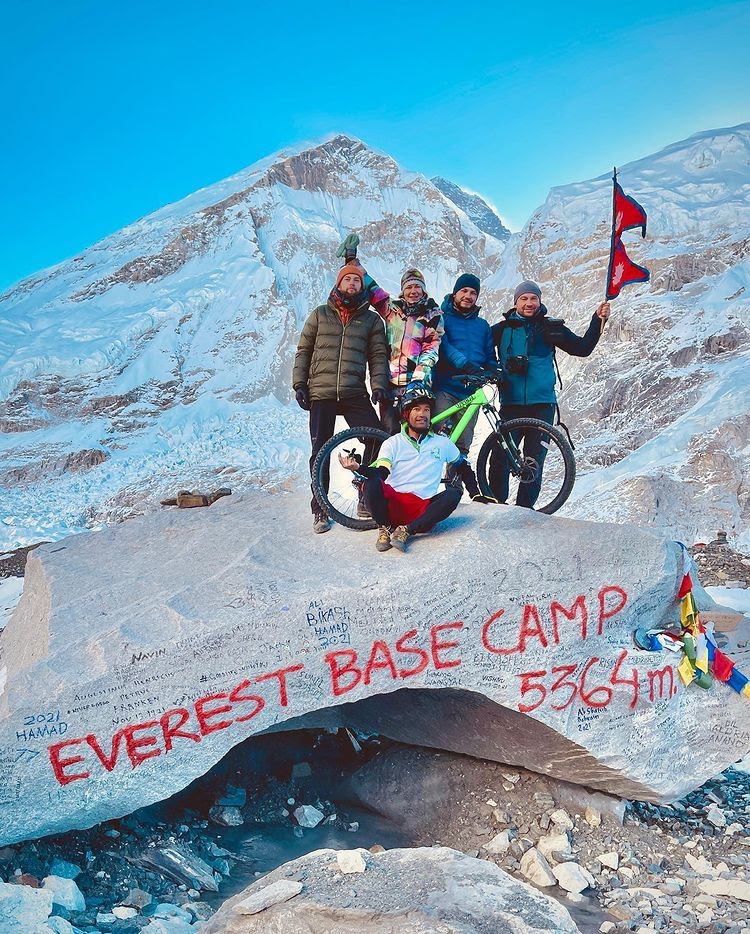
Glacier to Everest Base Camp (5,364m). Standing on the ice surrounded by
fluttering prayer flags is an incredible feeling. Afterward, you head back to
Gorak Shep for a warm meal and rest.
Before dawn on day nine, you lace up your boots to climb
Kala Patthar (5,545m). The steep trail tests your lungs in the freezing morning
air, but watching the sunrise over Mount Everest is unforgettable. You return
to Gorak Shep for breakfast before descending down to Pheriche, where the
thicker air feels like an instant relief.
Days 10 to 12: Heading Home
Day ten brings you back down through familiar trails to
Namche Bazaar. Your legs feel lighter with every step down, and dinner with
your group feels extra relaxed.
On day eleven, you tackle the final stretch back to Lukla.
You spend the evening celebrating the completed trek with your local guides and
porters.
Day twelve brings your morning flight back from Lukla.
Because mountain weather shifts fast, always leave a buffer day or two in your
international flight plans.
Daily Breakdown
|
Day |
Trekking Route |
Max Elevation |
Walking Time |
|
1 |
Lukla to Phakding |
2,610 m |
3–4 hours |
|
2 |
Phakding to Namche Bazaar |
3,440 m |
5–7 hours |
|
3 |
Acclimatization Hike in Namche |
3,440 m |
3–4 hours |
|
4 |
Namche Bazaar to Tengboche |
3,860 m |
5–6 hours |
|
5 |
Tengboche to Dingboche |
4,410 m |
5–6 hours |
|
6 |
Acclimatization Hike in Dingboche |
4,410 m |
3–4 hours |
|
7 |
Dingboche to Lobuche |
4,940 m |
5–6 hours |
|
8 |
Lobuche to EBC & Gorak Shep |
5,364 m |
7–9 hours |
|
9 |
Kala Patthar to Pheriche |
5,545 m |
6–8 hours |
|
10 |
Pheriche to Namche Bazaar |
3,440 m |
6–7 hours |
|
11 |
Namche Bazaar to Lukla |
2,860 m |
6–7 hours |
|
12 |
Fly Lukla to Kathmandu |
1,400 m |
Flight |
Permits, Costs, and Logistics
Under current Nepal Tourism Board regulations, independent
trekking is no longer allowed in this region. You must trek with a licensed
guide and hold an official TIMS card.
Permit Costs
For 2027, expect to pay roughly 5,000 NPR ($38) for the
combined Sagarmatha National Park and Khumbu Pasang Lhamu entry fees. You also
need an agency-issued TIMS card, which costs 2,000 NPR ($15). We organize all
paperwork so you don't have to deal with official lines in Kathmandu.
The Ramechhap Flight Connection
During busy spring and autumn seasons, direct flights from
Kathmandu to Lukla often get rerouted to manage air traffic. You will take a 4
to 5-hour midnight drive from Kathmandu to Ramechhap Airport to catch your
early morning flight into the mountains.
Total Budgeting
A standard package with Nepal Boundary Trekking covers
domestic flights, licensed guides, porters, tea house stays, meals, and
permits.
Out-of-pocket costs include international flights, travel
insurance, personal gear, snacks, Wi-Fi, battery charging, and guide tips. We
keep our pricing clear and transparent so there are zero surprises on the
trail.
Trail Food and Accommodation
You don't need to carry tents or heavy cooking gear. The
entire trail is lined with family-run tea houses offering cozy dining rooms and
private twin rooms.
Pro Tip: "Dal Bhat Power, 24 Hour!" This
classic Nepalese dish of rice, lentil soup, and vegetable curry comes with free
refills and gives you clean, long-lasting energy for heavy uphill days.
Lower down in Namche, you can enjoy hot showers, bakeries,
and Wi-Fi. Higher up in Lobuche and Gorak Shep, amenities become very basic and
nights get very cold. A solid sleeping bag rated down to -15°C is a total
lifesaver.
Pacing and Altitude Safety
Fitness matters, but altitude respects no one. You can be a
marathon runner and still feel the effects of thin air if you push too hard too
early.
Our lead guide at Nepal Boundary Trekking always gives this
piece of advice to every new group before we leave Lukla:
"The biggest mistake trekkers make is treating the
trail like a race. The mountains are not going anywhere—walk slow, drink water,
and let your body adapt."
Essential Packing List
- Footwear:
Broken-in trekking boots and thick wool socks.
- Layers:
Thermal base layers, fleece mid-layers, and a heavy down jacket.
- Gear:
Trekking poles, headlamp, UV sunglasses, and a 30L daypack.
- Personal
Care: Sunscreen, lip balm, water purification tablets, and a basic
first-aid kit.
Frequently Asked Questions (FAQs)
Q: How much does Everest Base Camp Trek cost in 2027?
A: The price depends on group size, itinerary, accommodation, flights and included services. Contact Nepal Boundary Trekking with your travel dates and group size for a detailed 2027 quotation.
Q: How many days is the Everest Base Camp Trek?
A: Our standard itinerary is 12 days, including the Lukla flights and acclimatization days. Longer itineraries can be arranged for travelers who prefer a slower pace.
Q: Is Everest Base Camp safe?
A: The trek is achievable for many travelers, but high altitude should always be taken seriously. Proper acclimatization, a licensed guide, suitable preparation and travel insurance are important.
Q: Do I need travel insurance for Everest Base Camp?
A: Yes. We strongly recommend comprehensive travel insurance that specifically covers trekking at the altitude of the Everest Base Camp route and emergency evacuation where applicable.
Q: Can I do Everest Base Camp without experience?
A: Yes. Previous high-altitude trekking experience is helpful but not essential. Good physical preparation and a sensible itinerary are much more important.
Q: What is the highest point of the trek?
A: Kala Patthar is approximately 5,545 meters above sea level. Everest Base Camp itself is approximately 5,364 meters.
Q: Is the Everest Base Camp Trek worth it?
A: If you want mountains, adventure, culture, physical challenge and the feeling of walking into the heart of the Himalayas, it can be an unforgettable experience.