
Table of Contents
- Why Choose Eastern Nepal for Trekking?
- Experience Less Crowded Trails
- Discover Authentic Local Culture
- Enjoy Incredible Mountain Views
- Explore Rich Biodiversity
- Experience True Himalayan Adventure
- Top Hidden Treks in Eastern Nepal
- Kanchenjunga Base Camp Trek
- Makalu Base Camp Trek
- Mundum Trail Trek
- Arun Valley Trek
- Milke Danda Trek
- Timbung Pokhari Trek
- Pathibhara Trek
- Lumba Sumba Pass Trek
- Best Time to Visit Hidden Treks in Eastern Nepal
- Permits Required for Eastern Nepal Trekking
- Difficulty Level of Hidden Treks in Eastern Nepal
- Easy to Moderate Treks
- Moderate Treks
- Challenging Treks
- Wildlife and Culture of Eastern Nepal
- Packing Tips for Hidden Treks in Eastern Nepal
- Why Trek with Nepal Boundary Trekking?
- Final Thoughts
- Frequently Asked Questions (FAQs)
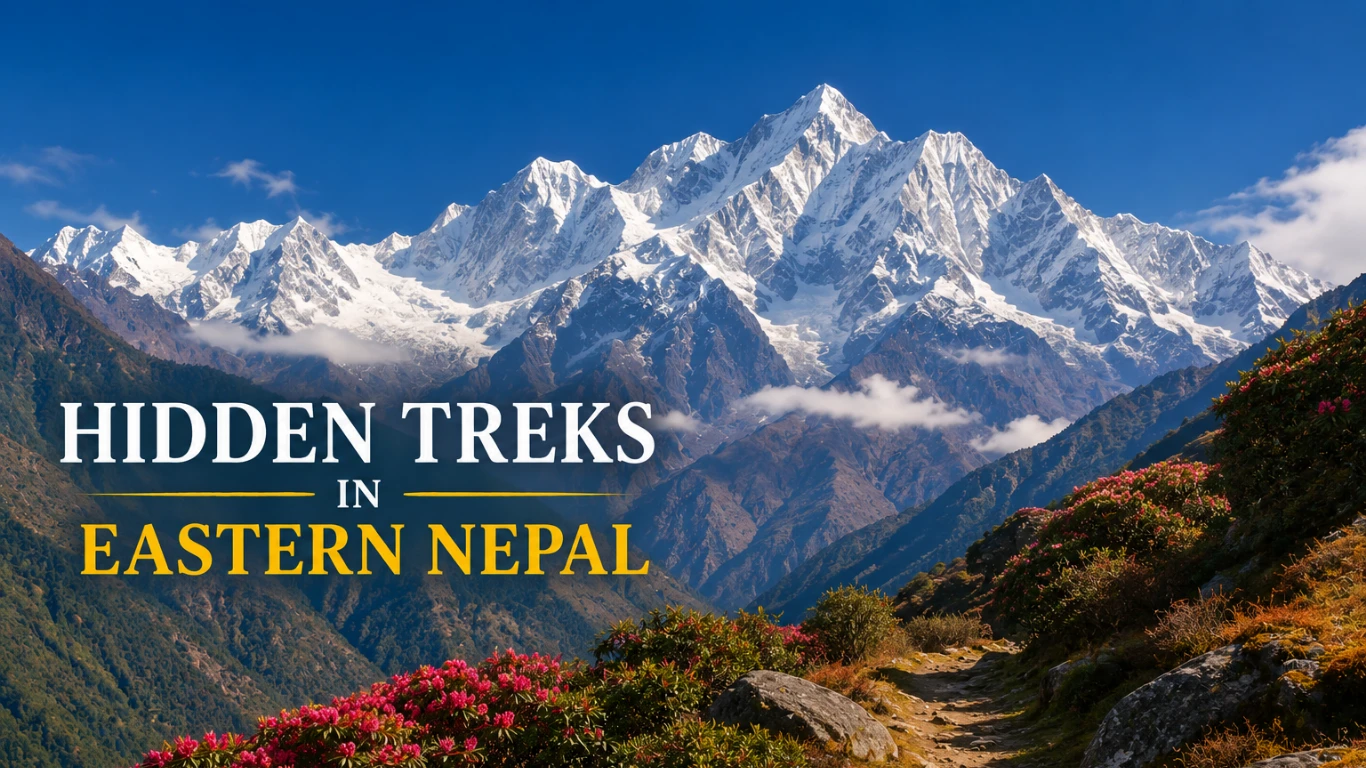
Hidden Treks in Eastern Nepal: Explore Nepal's Best Kept Himalayan Secrets
08/07/2026
Eastern Nepal is one of the most beautiful yet least
explored trekking regions in the Himalayas. While thousands of travelers head
to Everest Base Camp and the Annapurna region every year, the eastern part of
Nepal offers a different experience. Here, you will find peaceful trails,
traditional mountain villages, untouched forests, and breathtaking views
without the crowds.
If you enjoy nature, adventure, and authentic cultural
experiences, Eastern Nepal trekking should be on your travel list. From the
remote valleys near Mount Kanchenjunga to the scenic ridges of the Mundum
Trail, every route offers something unique. You can walk through rhododendron
forests, cross high mountain passes, discover rich biodiversity, and meet
welcoming local communities that have preserved their traditions for
generations.
Another reason these trails stand out is the sense of
solitude. Instead of sharing the path with large trekking groups, you can enjoy
quiet mornings, peaceful landscapes, and uninterrupted mountain views. This
slower pace allows you to connect with nature and experience the Himalayas in a
more meaningful way.
Why Choose Eastern Nepal for Trekking?
Eastern Nepal remains one of the country's best kept
secrets. Although it is home to some of the world's highest mountains,
including Kanchenjunga and Makalu, the region attracts far fewer visitors than
Nepal's popular trekking destinations.
Experience Less Crowded Trails
Many trekkers prefer quiet routes where they can enjoy
nature without busy tea houses or crowded viewpoints. Hidden treks in Eastern
Nepal provide exactly that. You can walk for hours through forests, alpine
meadows, and mountain villages while enjoying the peaceful surroundings.
Discover Authentic Local Culture
Eastern Nepal is home to several ethnic communities,
including the Rai, Limbu, Sherpa, and Bhote people. As you travel through their
villages, you'll experience warm hospitality, traditional homes, local
festivals, and unique cuisines. These cultural encounters make every trek even
more memorable.
Enjoy Incredible Mountain Views
The region offers spectacular views of Kanchenjunga, Makalu,
Chamlang, Jannu, and several other Himalayan peaks. Sunrise and sunset over
these snow covered mountains create unforgettable moments that every
photographer and nature lover will appreciate.
Explore Rich Biodiversity
Eastern Nepal is also known for its diverse wildlife and
protected areas. Kanchenjunga Conservation Area and Makalu Barun National Park
are home to red pandas, Himalayan black bears, musk deer, snow leopards, and
hundreds of bird species. During spring, colorful rhododendron forests bloom
across the hillsides, adding even more beauty to the landscape.
Experience True Himalayan Adventure
Many of these routes pass through remote valleys where
modern development remains limited. While the facilities are simpler than those
on commercial trekking routes, the experience feels more authentic. Every day
brings new landscapes, friendly villages, and a stronger connection with the
mountains.
Top Hidden Treks in Eastern Nepal
Eastern Nepal offers several incredible trekking routes that
deserve more attention. Whether you are looking for a challenging expedition or
a peaceful cultural journey, there is a trail that matches your interests.
Kanchenjunga Base Camp Trek
The Kanchenjunga Base Camp Trek is one of the finest off-the-beaten-path
treks in Nepal. It takes you to the base of Mount Kanchenjunga, the world's
third highest mountain.
The journey passes through remote villages, dense forests,
suspension bridges, and glacier valleys before reaching the spectacular base
camp. Along the way, you'll witness dramatic landscapes and enjoy close views
of towering Himalayan peaks.
This trek is ideal for experienced hikers who want to escape
busy trails and experience one of Nepal's most untouched mountain regions.
Makalu Base Camp Trek
The Makalu Base Camp Trek leads you into the heart of Makalu
Barun National Park, one of Nepal's richest biodiversity hotspots.
The trail combines lush forests, alpine meadows, high
mountain passes, and rugged valleys. Trekkers often spot rare wildlife,
including red pandas and colorful Himalayan birds.
Unlike more commercial trekking routes, Makalu Base Camp
remains peaceful throughout the year. This makes it an excellent choice for
travelers seeking adventure, photography, and solitude in the Himalayas.
Mundum Trail Trek
The Mundum Trail is quickly becoming one of the most
exciting hidden treks in Eastern Nepal. Unlike high-altitude expeditions, this
route focuses on culture, rolling hills, and panoramic mountain views.
The trail passes through Rai villages where visitors can
experience local traditions, music, and cuisine. Along the journey, you'll
enjoy sweeping views of Everest, Makalu, Kanchenjunga, and several other
Himalayan peaks.
Since the route reaches a moderate altitude, it is suitable
for trekkers with average fitness who want an authentic cultural experience
without extreme climbing.
Arun Valley Trek
The Arun Valley Trek offers one of the most diverse trekking
experiences in Nepal. The route follows the beautiful Arun River while passing
through forests, terraced farmland, and traditional villages.
Because the valley lies between the Everest and Makalu
regions, trekkers enjoy a unique mix of landscapes and cultures. The peaceful
environment and natural beauty make this trek perfect for those who prefer
quieter adventures away from the popular tourist routes.
Milke Danda Trek
If you love nature and photography, the Milke Danda Trek
deserves a place on your list. This scenic ridge stretches through one of
Nepal's largest rhododendron forests. During spring, the hills come alive with
colorful blooms, creating a spectacular landscape.
Besides the flowers, the trail offers panoramic views of
Kanchenjunga, Makalu, Everest, and several other Himalayan peaks. Since very
few tourists visit this region, you can enjoy the peaceful environment while
exploring charming mountain villages and dense forests.
The Milke Danda Trek is ideal for travelers looking for a
moderate adventure that combines natural beauty with cultural experiences.
Timbung Pokhari Trek
The Timbung Pokhari Trek takes you to a sacred alpine lake
surrounded by dramatic mountain scenery. Located in the Taplejung district,
this hidden destination remains one of the least explored trekking routes in
Nepal.
The journey passes through forests, waterfalls, remote
settlements, and high-altitude meadows before reaching the beautiful lake.
During the trek, you can enjoy impressive views of Mount Kanchenjunga and other
snow-covered peaks.
Because the trail sees very few visitors, it offers a
peaceful trekking experience for those who want to escape the crowds and
discover Nepal's untouched landscapes.
Pathibhara Trek
The Pathibhara Trek combines natural beauty with spiritual
significance. The trail leads to the famous Pathibhara Temple, one of Nepal's
most respected pilgrimage sites.
Both pilgrims and trekkers visit this destination to enjoy
its peaceful atmosphere and breathtaking mountain views. On clear days, you can
see Kanchenjunga, Makalu, and many surrounding Himalayan ranges.
The trek is relatively short compared to other routes in
Eastern Nepal, making it a great choice for travelers with limited time who
still want to experience the region's beauty and culture.
Lumba Sumba Pass Trek
The Lumba Sumba Pass Trek is one of the most adventurous and
remote trekking routes in Nepal. It connects the Kanchenjunga and Makalu
regions through high mountain passes, glacier valleys, and untouched
wilderness.
This challenging trek offers everything an experienced
adventurer could ask for. You'll cross suspension bridges, hike through ancient
forests, explore isolated villages, and witness stunning Himalayan landscapes
throughout the journey.
Since the route passes through remote areas, you will
experience authentic local hospitality and discover cultures that have remained
unchanged for generations. If you are searching for a true off-the-beaten-path
trek in Nepal, Lumba Sumba Pass should be at the top of your list.
Best Time to Visit Hidden Treks in Eastern Nepal
Choosing the right season can make your trekking experience
safer and more enjoyable. Although some routes remain accessible throughout the
year, spring and autumn offer the best conditions.
· Spring (March to May): Spring is one of the most popular trekking seasons in Eastern Nepal. The weather stays pleasant, the skies are usually clear, and rhododendron forests bloom across the hillsides. Mountain views are excellent during this season, making it perfect for photography and long trekking days.
· Autumn (September to November): Autumn is considered the best season for Eastern Nepal trekking. After the monsoon, the air becomes fresh and visibility improves significantly. Trekkers can enjoy comfortable temperatures, stable weather, and crystal-clear views of Kanchenjunga, Makalu, and other Himalayan peaks.
· Winter (December to February): Winter offers quiet trails and beautiful snow-covered landscapes. However, temperatures can drop well below freezing at higher elevations, and some mountain passes may become difficult to cross. Experienced trekkers who prepare properly can still enjoy a rewarding winter adventure.
· Monsoon (June to August): Heavy rainfall during the monsoon season makes many trails muddy and slippery. Landslides and leeches can also affect trekking conditions in lower elevations. Unless you have previous trekking experience and flexible travel plans, it is generally better to choose another season.
Permits Required for Eastern Nepal Trekking
Before starting your journey, make sure you have the
necessary permits. The exact requirements depend on the trekking route you
choose.
Some of the common permits include:
- Kanchenjunga
Conservation Area Permit (KCAP)
- Makalu
Barun National Park Entry Permit
- Restricted
Area Permit for selected trekking routes
- Local
municipality or rural municipality entry fees where applicable
Several restricted trekking areas also require you to travel
with a licensed guide. Booking your trip through an experienced trekking
company helps ensure that all permits and travel arrangements are completed
correctly before your adventure begins.
Difficulty Level of Hidden Treks in Eastern Nepal
Hidden treks in Eastern Nepal range from easy cultural walks
to demanding high-altitude expeditions.
Easy to Moderate Treks
Routes such as the Pathibhara Trek and Mundum Trail are
suitable for beginners with a reasonable level of fitness. These treks involve
moderate daily walking while offering excellent mountain views and cultural
experiences.
Moderate Treks
The Milke Danda Trek and Arun Valley Trek require several
days of hiking across varied terrain. They are ideal for trekkers with some
prior hiking experience.
Challenging Treks
The Kanchenjunga Base Camp Trek, Makalu Base Camp Trek, and
Lumba Sumba Pass Trek demand good physical fitness, careful preparation, and
previous trekking experience. These routes include high elevations, long
walking days, and remote mountain environments.
Wildlife and Culture of Eastern Nepal
Eastern Nepal is not only famous for its mountains but also
for its incredible biodiversity and vibrant local cultures.
Protected areas such as Kanchenjunga Conservation Area
and Makalu Barun National Park provide habitats for rare wildlife,
including red pandas, Himalayan black bears, musk deer, snow leopards, and
hundreds of bird species.
Equally rewarding are the cultural experiences along the
trails. Many villages are home to Rai, Limbu, Sherpa, and Bhote communities,
each with its own traditions, festivals, architecture, and local cuisine.
As you walk through these villages, you'll experience
genuine hospitality and gain a deeper understanding of life in Nepal's remote
Himalayan regions. Respecting local customs, supporting community-owned tea
houses, and practicing responsible trekking help preserve these unique cultures
for future generations.
Packing Tips for Hidden Treks in Eastern Nepal
Packing the right gear can make your trekking experience
safer and more comfortable. Since many hidden trekking routes in Eastern Nepal
pass through remote areas, it is important to prepare well before your journey.
Here are some essential items to include in your backpack:
- Comfortable
trekking boots with good ankle support
- Warm
layers, including a fleece jacket and a waterproof outer shell
- Moisture-wicking
clothing for changing weather conditions
- Sleeping
bag suitable for cold temperatures
- Trekking
poles for steep ascents and descents
- Reusable
water bottle or hydration bladder
- Water
purification tablets or a portable water filter
- Sunscreen,
sunglasses, and a wide-brim hat
- Personal
first aid kit and any necessary medications
- Power
bank, headlamp, and extra batteries
- Snacks
and energy bars for long trekking days
Keep your backpack as light as possible while carrying all
the essentials. A well-packed bag makes long walking days much more enjoyable.
Why Trek with Nepal Boundary Trekking?
Exploring remote Himalayan trails requires local knowledge,
careful planning, and experienced support. Nepal Boundary Trekking helps you
enjoy a safe, comfortable, and memorable adventure from start to finish.
When you choose Nepal Boundary Trekking, you benefit from:
· Experienced
Local Guides: The team understands the hidden trails, mountain weather,
local culture, and trekking conditions. Their experience allows you to travel
with confidence while learning more about each destination.
· Customized
Trekking Itineraries: Every traveler has different goals and fitness
levels. Whether you want a challenging expedition or a relaxed cultural trek,
the itinerary can be tailored to match your preferences.
· Safety
Comes First: Your safety remains the highest priority throughout the trek.
The team monitors weather conditions, plans proper acclimatization, and
provides professional support in remote areas.
· Responsible
and Sustainable Tourism: Nepal Boundary Trekking promotes responsible
travel by supporting local communities, respecting cultural traditions, and
encouraging environmentally friendly trekking practices.
·
Hassle-Free Travel Planning: From permits
and transportation to accommodation and logistics, every detail is managed
professionally. This allows you to focus on enjoying the incredible landscapes
of Eastern Nepal.
Final Thoughts
Hidden treks in Eastern Nepal offer a side of the Himalayas
that many travelers never experience. Instead of crowded trails, you'll
discover peaceful valleys, remote villages, ancient forests, and breathtaking
mountain scenery that feels untouched by mass tourism.
No matter which route you choose, from the spectacular
Kanchenjunga Base Camp Trek and the remote Makalu Base Camp Trek to the
culturally rich Mundum Trail or the adventurous Lumba Sumba Pass Trek, every
journey offers unforgettable memories.
Beyond the incredible landscapes, these trails provide an
opportunity to connect with local communities, experience authentic Himalayan
culture, and explore some of Nepal's most pristine natural environments. Every
step reveals a new perspective, making Eastern Nepal one of the country's most
rewarding trekking destinations.
If you're ready to explore beyond the popular routes, Nepal
Boundary Trekking is here to help you plan an unforgettable adventure. Our
experienced local guides, carefully designed itineraries, and commitment to
responsible tourism ensure that your journey is safe, enjoyable, and truly
memorable.
Start planning your Eastern Nepal trekking adventure today
and discover the hidden Himalayan trails waiting to be explored.
Frequently Asked Questions (FAQs)
Q: Which is the best hidden trek in Eastern Nepal?
A: The answer depends on your experience and interests. The Kanchenjunga Base Camp Trek is perfect for experienced trekkers, while the Mundum Trail offers an excellent mix of culture, scenery, and moderate hiking
Q: Are hidden treks in Eastern Nepal suitable for beginners?
A: Yes. Routes like the Mundum Trail and Pathibhara Trek are suitable for beginners who have a reasonable level of fitness. More demanding treks, such as Makalu Base Camp and Lumba Sumba Pass, require previous trekking experience.
Q: Do I need a guide for Eastern Nepal trekking?
A: Many trekking routes in Eastern Nepal are remote, and some restricted areas require a licensed guide. Even where it is not mandatory, hiring an experienced guide improves safety and enhances your overall experience.
Q: What is the best season for Eastern Nepal trekking?
A: Spring from March to May and autumn from September to November offer the best weather, clear mountain views, and comfortable trekking conditions.
Q: How difficult are the hidden treks in Eastern Nepal?
A: The difficulty varies by route. Some treks are suitable for beginners, while others involve high-altitude passes, long walking days, and remote mountain terrain that require good physical fitness