Table of Contents
- Where Is Upper Dolpo, and Why Does It Feel Cut Off from the World
- Ancient Upper Dolpo Trek Trails That Time Forgot
- High Altitude and Thin Air: Life Above the Clouds
- Upper Dolpo Trek Distance and the Reality of Long Walking Days
- Why Upper Dolpo Trek Difficulty Goes Beyond Physical Fitness
- Culture Preserved by Isolation in Upper Dolpo
- Villages at the Edge of Civilization
- Landscape of Extremes in Upper Dolpo
- Why a Licensed Upper Dolpo Trek Guide Is Essential
- Can You Do an Upper Dolpo Solo Trek?
- Why Upper Dolpo Remains Nepal’s Most Remote Trek
- Who Is Upper Dolpo Trek Really For?
- Frequently Asked Questions (FAQs)
Why Upper Dolpo Is Nepal’s Most Remote Trek: Culture, Landscape & Isolation
27/12/2025
When most people think about trekking in Nepal, names like Everest
Base Camp or Annapurna Circuit instantly come to mind. These trails
are stunning, no doubt, but they’re no longer remote. Teahouses line the
routes, Wi-Fi is common, and crowds are part of the experience. Upper Dolpo, on
the other hand, exists in a completely different world.
The Upper Dolpo trek in Nepal is not just difficult
to reach; it’s intentionally isolated. Hidden behind high Himalayan passes and
restricted by geography and regulation, Upper Dolpo remains one of the last
untouched trekking regions on Earth. Here, silence replaces crowds, ancient
culture thrives unchanged, and landscapes feel raw and uncompromised.
This is not a trek you casually add to your bucket list.
It’s a journey you choose when you want to step far beyond modern trekking
comfort and into a place where isolation is the defining feature.
Where Is Upper Dolpo, and Why Does It Feel Cut Off from the World
Upper Dolpo lies in north-western Nepal, bordering the
Tibetan Plateau. Unlike Nepal’s popular trekking regions, Upper Dolpo sits deep
within the trans-Himalayan rain shadow, creating a dry, barren, and dramatic
landscape. However, geography alone doesn’t explain its isolation.
There are no roads connecting Upper Dolpo to the rest
of Nepal. Reaching the region requires a series of domestic flights, followed
by weeks of trekking through high mountain passes and remote valleys. Even
today, supplies are carried by porters and pack animals rather than vehicles.
Additionally, strict permit regulations limit the number of
trekkers who can enter the region each year. This controlled access has helped
preserve Upper Dolpo’s fragile ecosystem and cultural identity. As a result,
Upper Dolpo doesn’t feel like a trekking destination; it feels like a world
apart.
Ancient Upper Dolpo Trek Trails That Time Forgot
The Upper Dolpo trek trails aren’t designed for
tourism. Long before trekking became popular in Nepal, these paths served as
ancient trade routes between Tibet and Nepal. Locals used them to transport
salt, wool, and grain across some of the harshest terrain on the planet.
Even today, many trails remain narrow, rugged, and barely
marked. You won’t find stone staircases or well-maintained switchbacks as
you do on Everest or Annapurna routes. Instead, trekkers follow riverbeds,
high plateaus, and windswept ridgelines that have changed little over
centuries.
Because these trails were shaped by necessity rather than
convenience, they add to the raw, demanding nature of the Upper Dolpo
experience. Every step feels earned, and every pass crossed feels like a
genuine achievement.
High Altitude and Thin Air: Life Above the Clouds
Altitude plays a significant role in defining the Upper
Dolpo trek. Much of the trek takes place above 4,000 meters, with
several high passes exceeding 5,000 meters. Villages themselves often
sit at elevations higher than popular trekking high points elsewhere in Nepal.
The Upper Dolpo trek altitude doesn’t just test
physical endurance; it affects daily life. Locals have adapted over
generations, developing lifestyles suited to thin air, cold temperatures, and
short growing seasons. Trekkers, however, must take acclimatization seriously.
Unlike popular trekking regions, medical facilities and
emergency evacuation options are extremely limited. Therefore, proper acclimatization
days and a slow, steady pace aren’t optional; they are essential in this
region. This altitude-driven isolation further separates Upper Dolpo from
mainstream trekking destinations.
Unlike popular trekking regions, medical facilities and
emergency evacuation options are extremely limited. Therefore, proper
acclimatization days and a slow, steady pace aren’t optional; they’re essential
in this region. This altitude-driven isolation further separates Upper Dolpo
from mainstream trekking destinations.
Upper Dolpo Trek Distance and the Reality of Long Walking Days
On paper, the Upper Dolpo trek distance may not seem
dramatically longer than other long treks in Nepal. However, the terrain
changes everything. Trails often cross loose scree (a small, unstable rocks and
gravel that shift underfoot, making it harder to balance), river crossings
without bridges, and exposed mountain slopes.
Daily walking hours are long, and rest stops are minimal.
Teahouses don’t exist in Upper Dolpo. Instead, trekkers camp each night,
relying entirely on their support team. Because of this, even moderate
distances feel more demanding than similar mileage in developed trekking
regions.
Moreover, weather conditions can slow progress
significantly. Strong winds, sudden snowfall, or cold temperatures can turn a
manageable day into a challenging one. In Upper Dolpo, distance isn’t just
measured in kilometers; it’s measured in effort.
Why Upper Dolpo Trek Difficulty Goes Beyond Physical Fitness
The Upper Dolpo trek difficulty isn’t solely about
steep climbs or altitude. Mental endurance plays an equally important role.
Days pass without seeing other trekkers, phone signals disappear, and modern
conveniences fade quickly.
Weather unpredictability adds another layer of challenge.
Snow can block high passes, winds can be relentless, and temperatures drop
sharply after sunset. Combined with limited infrastructure, trekkers must
remain flexible and patient throughout the journey.
This isolation forces trekkers to disconnect completely.
While some find this intimidating, others consider it the most rewarding part
of the experience. Upper Dolpo doesn’t just test the body; it reshapes how you
experience time, silence, and space.
Culture Preserved by Isolation in Upper Dolpo
Upper Dolpo’s isolation has done something rare in today’s
world: it has protected culture from outside influence. The region is deeply
rooted in Tibetan Buddhism and the ancient Bon religion, which predates
Buddhism itself.
Monasteries, prayer flags, mani walls, and chortens dominate
the landscape. Religious festivals still follow traditional lunar calendars,
untouched by tourism schedules. Unlike more accessible regions, cultural
practices here aren’t performed for visitors; they’re lived daily.
Because Upper Dolpo remained closed to foreigners until the
late 20th century, modernization arrived slowly. Even now, traditions remain
central to community life, making cultural encounters in Upper Dolpo feel
genuine rather than curated.
Villages at the Edge of Civilization
Settlements in Upper Dolpo are few and far between. Villages
are built from stone and mud, designed to withstand cold winds and harsh
winters. Life revolves around subsistence farming, yak herding, and seasonal
trade.
The growing season is short, and food supplies are limited.
As a result, communities rely heavily on stored grains and animal products.
Schools, healthcare facilities, and communication services remain minimal,
reinforcing the region’s isolation.
For trekkers, staying near these villages offers a rare
glimpse into a way of life shaped entirely by environment and necessity. It’s a
reminder of how human resilience adapts in the most challenging landscapes.
Landscape of Extremes in Upper Dolpo
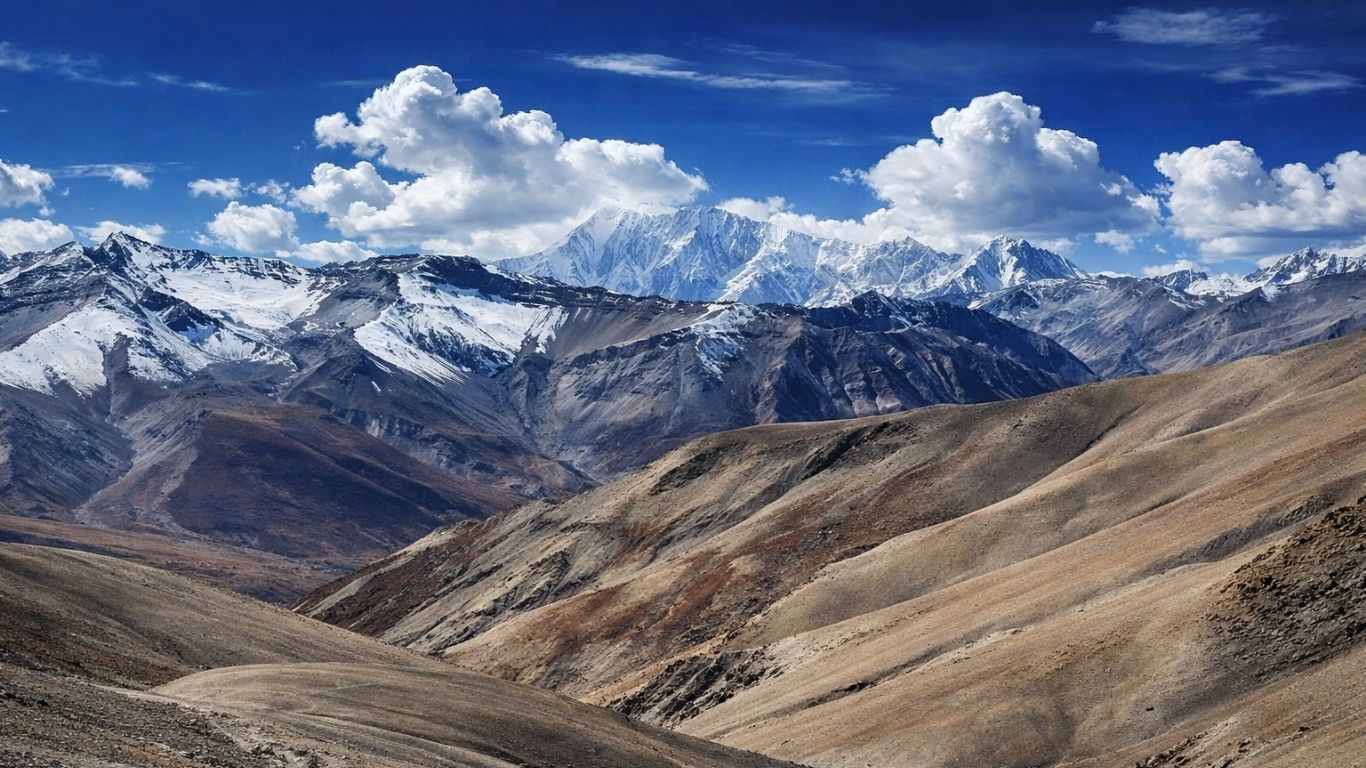
The landscape of Upper Dolpo feels more Tibetan than Nepali.
Wide open plateaus stretch endlessly beneath deep blue skies, while eroded
cliffs rise dramatically from valley floors. The dry climate creates sharp
contrasts between rock, sky, and snow.
One moment, trekkers walk beside turquoise rivers; the next,
they cross barren high passes that feel almost lunar. Due to the region's low
rainfall, vegetation remains sparse, highlighting the land's raw geological
beauty.
This lack of human development allows nature to dominate
completely. There are no roads, power lines, or modern structures to interrupt
the scenery. As a result, the landscape itself becomes one of the trek’s most
powerful features.
Why a Licensed Upper Dolpo Trek Guide Is Essential
A licensed Upper Dolpo trek guide isn’t just helpful,
it’s mandatory. Nepalese regulations require trekkers to be accompanied by
registered guides in restricted regions like Upper Dolpo.
Beyond legality, guides play a crucial role in safety and
navigation. Trails aren’t always obvious, weather can change quickly, and
emergency options are limited. A knowledgeable guide understands the terrain,
altitude risks, and local customs.
Additionally, guides act as cultural interpreters, helping
trekkers understand religious practices, village life, and regional history. In
such a remote environment, this guidance transforms the trek from a physical
challenge into a deeply meaningful experience.
Can You Do an Upper Dolpo Solo Trek?
The idea of an Upper Dolpo solo trek often appeals to
experienced adventurers. However, in reality, solo trekking isn’t practical or
legal here. Restricted area regulations require a minimum group size and a
licensed guide.
Even if rules allowed it, the region’s remoteness makes solo
travel extremely risky. Medical emergencies, sudden weather changes, or
navigation errors can quickly become life-threatening without support.
Upper Dolpo rewards teamwork and preparation. Trekkers who opt
for guided travel often find that shared challenges enhance the overall
experience rather than limit their independence.
Why Upper Dolpo Remains Nepal’s Most Remote Trek
Upper Dolpo’s remoteness isn’t accidental; it’s the result
of geography, policy, and preservation. High passes block easy access, strict
permits control visitor numbers, and limited infrastructure discourages mass
tourism.
While other trekking regions continue to modernize, Upper
Dolpo remains intentionally protected. This balance ensures that future
generations can experience the region as it exists today, wild, cultural, and
isolated.
In a world where untouched places are becoming rare, Upper
Dolpo stands as a reminder that true wilderness still exists.
Who Is Upper Dolpo Trek Really For?
Upper Dolpo isn’t designed for first-time trekkers or those
seeking comfort. It’s for experienced hikers who value solitude over
convenience, culture over luxury, and challenge over ease.
This trek suits travelers who want to disconnect completely,
who respect remote cultures, and who understand that isolation is not a
drawback but the very reason Upper Dolpo remains extraordinary.
For those willing to commit the time, effort, and respect required, the Upper Dolpo trek in Nepal offers something few places on Earth can still provide: a genuine journey into one of the last untouched corners of the Himalayas.
Frequently Asked Questions (FAQs)
Q: Why is Upper Dolpo considered the most remote trek in Nepal?
A: Upper Dolpo has no road access, limited flights, strict permits, and weeks of trekking through high passes, making it far more isolated than other regions.
Q: How difficult is the Upper Dolpo trek?
A: The trek is physically and mentally demanding due to high altitude, long distances, camping conditions, and unpredictable weather.
Q: Do you need a guide for the Upper Dolpo trek?
A: Yes, a licensed guide is mandatory due to restricted area regulations and safety requirements.
Q: Can beginners attempt the Upper Dolpo trek?
A: Upper Dolpo is best suited for experienced trekkers with prior high-altitude trekking experience.
Q: What makes Upper Dolpo culturally unique?
A: Its isolation preserved Tibetan Buddhist and Bon traditions that remain deeply rooted in daily life.