Table of Contents
Why You Should Trek Upper Mustang in 2026: Cost, Permits, Best Time & Ultimate Guide
19/12/2025
Upper Mustang isn’t that kind of place that impresses you
instantly. It impresses you slowly. As you move beyond Kagbeni into the
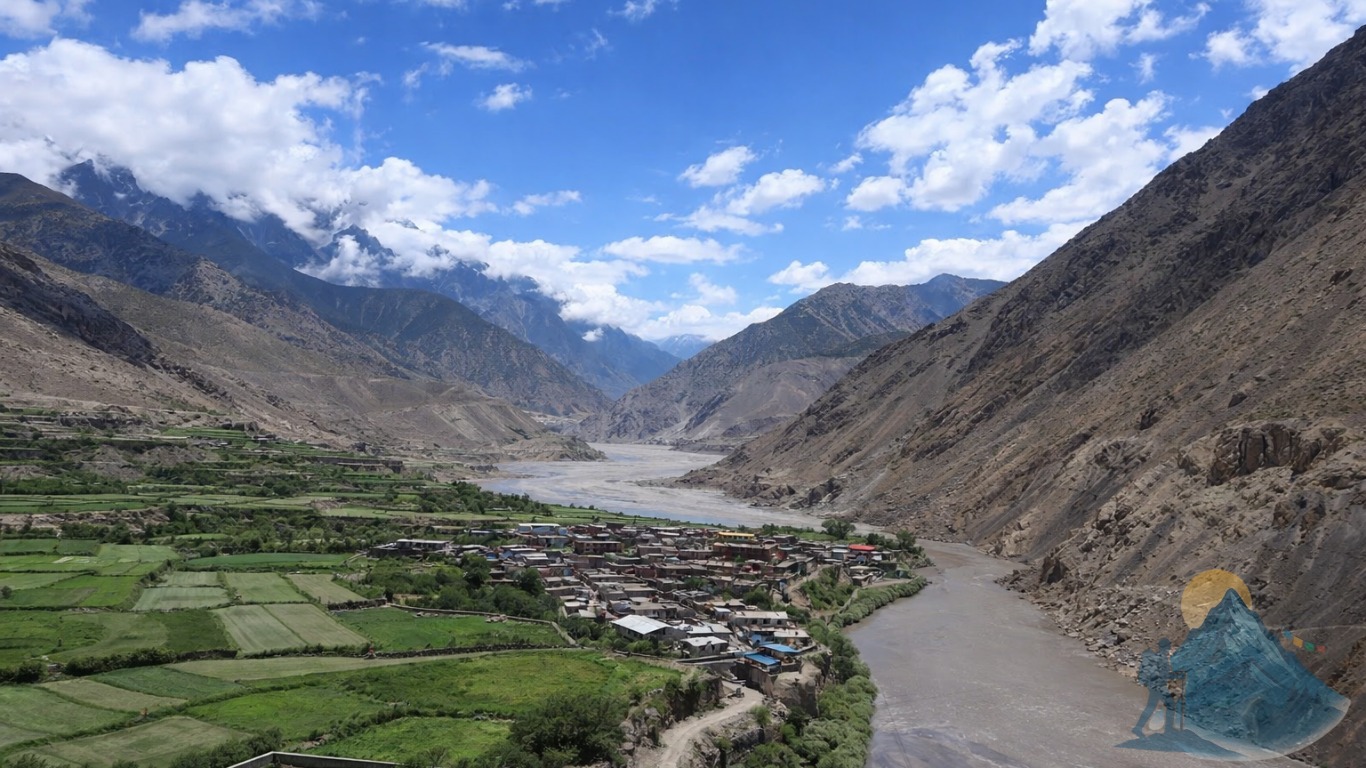
restricted region, the scenery shifts from green valley to a vast, wind-sculpted
desert framed by the Himalayas. Villages appear almost unexpectedly. The houses
built from stone blend seamlessly into the landscape, as if they have always
belonged there. Life moves at a different pace here. Shaped by harsh weather,
deep spirituality, and traditions that have survived for centuries. The farther
you go, the quieter the world becomes. That silence is part of the experience.
What makes the Upper Mustang Trek meaningful in 2026, especially,
is the moment in history it represents. Roads, technology, and climate change
are slowly reshaping this forbidden kingdom, yet its ancient identity remains
remarkably intact. From mysterious caves carved high into sheer cliffs to
medieval cities still protected by walls, Upper Mustang feels less like a
destination and more like a journey through time. And it’s exactly this rare
combination of mystery, culture, and raw landscape that leads many trekkers to
ask a simple question: what makes Upper Mustang so different from
anywhere else in Nepal?
What Makes Upper Mustang So Special?
Upper Mustang lies in the northern part of Nepal within the Mustang
District of Gandaki Province, Nepal. Until the early 1990s, it was completely closed
to foreign visitors. Even today, it remains a restricted area, preserving its
unique culture, desert landscape, and ancient traditions that feel worlds away
from the lower foothills of the Himalayas.
While most treks in Nepal offer lush forests and snow-peaks,
Upper Mustang reveals a dry, mystical landscape of wind-sculpted canyons, eroded
cliffs, and ochre hills under wide, blue skies. The region also houses thousands
of ancient sky caves, mysterious cultural practices, and the walled capital of Lo
Manthang, which makes it one of the most rewarding treks.
Upper Mustang Trek Cost
One of the first questions that comes to a traveler’s mind is:
How much does the Upper Mustang Trek cost? The answer depends on how you
plan and what service you choose, but here’s a breakdown of typical expenses
you should expect in 2026.
1. Trek Permits
Because Upper Mustang is a
restricted region, special permits are mandatory.
- Upper
Mustang trek permit (Restricted Area Permit): Approx. USD $50 per
day (new pricing in 2025–2026). Previously, trekkers paid a flat USD
$500 for the first 10 days, but changes in late 2025 shifted the system to
a daily rate, making the journey more flexible and fairer.
- Annapurna
Conservation Area Permit (ACAP): Approx. NPR 3,000 (~USD $25–30)
Depending on the length of your trek, typically 10–14 days,
the permit portion of your cost will vary. Longer itineraries cost slightly
more because of the daily permit rate.
2. Guide & Porter
Independent trekking isn’t allowed in Upper Mustang; you
need a registered guide and usually a porter. A guide typically costs about USD
$30–$40 per day, while porters average USD $20–$25 per day. This ensures not
only safety but also helps with permits, navigation, and cultural
interpretation.
3. Accommodation & Meals
Most trekkers stay in basic teahouses or lodges along
the trail, and packages often include meals. Expect daily costs of around USD
$30–$40 when booked independently.
4. Transportation
Most itineraries include flights between Pokhara and Jomsom
(the gateway to Mustang), which can cost around USD $250–$300 round-trip.
5. Total Estimated Cost
Putting it all together:
|
Service |
Estimated
Cost |
|
Permits |
$500 - $800+ |
|
Guides and Potter
|
$600 - $900 |
|
Accommodation
& Food |
$400 - $600 |
|
Transportation |
$200 - $300 |
|
Total range |
$1,800 –
$3,500+ |
Most trekkers fall between $2,000 – $3,000 for a
fully supported experience with guide, porter, permits, accommodation, and
transportation included.
Upper Mustang Permit: What You Must Know
Getting your permits sorted early is one of the most
important parts of planning your trek.
1.
Restricted Area Permit (RAP)
·
Trekking in Upper Mustang requires a Restricted
Area Permit issued through a licensed Nepali agency, you can’t do this
independently.
·
This permit is checked at entry points like Kagbeni
before you begin your trek into the Upper Mustang valley.
2.
Annapurna Conservation Area Permit (ACAP)
·
Because Upper Mustang lies inside the Annapurna
Conservation Area, you also need the ACAP permit.
·
The permit process might feel complicated, but
most trekking agencies handle everything for you once you book. This not only
saves time but also ensures all paperwork is in order before departure.
When Is the Best Time to Trek Upper Mustang?
One of the unique aspects of the Upper Mustang trek is its
location in a rain shadow region, meaning it’s relatively dry even
during Nepal’s monsoon months. Yet, some seasons are still more ideal than
others.
1.
Spring (March – May)
·
Best overall time for weather and
visibility.
·
Wildflowers, clear skies, and often coinciding
with local festivals like Tiji.
2.
Summer & Monsoon (June – August)
·
Unlike many other Nepal treks, Mustang stays dry
even during the monsoon.
·
Trails remain clear, and this period sees fewer
tourists, great for quieter trekking experiences.
3.
Autumn (September – November)
·
Peak trekking weather with mild temperatures and
crisp mountain views.
4.
Winter (December – February)
·
Cold and remote; some teahouses may close.
·
Good only for seasoned hikers looking for
solitude and snow-dusted scenery.
What You’ll Actually See & Experience on the Upper Mustang Trek
Upper Mustang isn’t just scenic, it’s culturally immersive,
historically deep, and genuinely different from any other trek in Nepal.
1. Sky
Caves & Ancient Mysteries
The cliffs near Chhoser are dotted
with thousands of man-made sky caves carved centuries ago. Their purpose,
whether burial sites, meditation chambers, or dwellings, is still a topic of
fascination. These mysterious window-like holes are one of the trek’s most
iconic sights.
2.
Lo Manthang: The Walled Capital
Reaching the ancient walled city of
Lo Manthang feels like stepping into another era. With its monasteries,
traditional homes, and local markets, it’s the cultural heart of the Mustang
region.
3.
Mustang’s Unique Lifestyle
Unlike other parts of Nepal,
Mustang has a strong Tibetan-influenced culture, from traditional
medicine (Amchi healing) to vibrant festivals like Tiji, a three-day
ritual dance festival full of color and meaning.
Upper Mustang Trek Routes & Itinerary Tips
Most classic routes start from Kagbeni and wind
through villages like Chhusang, Geling, Charang, and finally to Lo
Manthang. You also have options for longer or more immersive itineraries,
depending on how slowly you want to explore the culture and landscapes.
Because elevation gains are moderate, this trek suits
trekkers with good fitness but doesn’t require advanced mountaineering skills.
Final Tips for a 2026 Upper Mustang Trek
- Book
early: Permits and flights fill up fast, especially in peak seasons.
- Use
a registered agency: This simplifies permits and logistics.
- Pack
right: Mustangs’ desert climate means hot days and cold nights; layers
are key.
- Stay
flexible: Weather and treks can change, and a flexible mindset makes
the journey smoother.
Conclusion
The Upper Mustang Trek 2026 is more than a trek; it’s
a cultural expedition, an archaeological puzzle, and a breathtaking
desert-mountain adventure all wrapped into one. With proper planning,
understanding of trek costs, and clarity on permit requirements,
you can experience one of Nepal’s most unique high-altitude journeys.
Whether you’re drawn by the ancient cliff dwellings, the living traditions of Lo Manthang, or the wide-open skies of a Himalayan desert, Upper Mustang deserves a spot on your travel list. For trekking arrangements, permits, and customized Upper Mustang trekking experiences, you can contact us at Nepal Boundary Trekking Agency Pvt. Ltd. Our local expertise ensures a smooth, responsible, and genuinely immersive journey into one of Nepal’s most extraordinary regions.
Frequently Asked Questions (FAQs)
Q: Do I need a special permit to trek in Upper Mustang in 2026?
A: Yes, trekking in Upper Mustang requires both a Restricted Area Permit (RAP) and an Annapurna Conservation Area Permit (ACAP). Most trekking agencies handle the permit process, making it hassle-free for travelers.
Q: Can I trek Upper Mustang independently without a guide or porter?
A: No. Independent trekking isn’t allowed. You must hire a registered guide and usually a porter, who ensures safety, smooth navigation, and proper cultural guidance.
Q: How much does the Upper Mustang trek cost in 2026?
A: The total cost for a fully supported trek, including permits, guide, porter, accommodation, meals, and flights, usually ranges between $2,000–$3,000. Daily permit rates make it flexible, depending on your trek duration.
Q: When is the best time to trek Upper Mustang for the best experience?
A: Spring (March–May): Best for wildflowers, clear skies, and local festivals like Tiji. Autumn (September–November): Mild temperatures and crisp mountain views. Summer/Monsoon: Trails stay dry with fewer tourists, perfect for quiet trekking.
Q: How physically demanding is the Upper Mustang trek?
A: The trek has moderate elevation gains, so it’s suitable for trekkers with good fitness. Advanced mountaineering skills are not required, making it accessible for most hikers.
Q: What makes Upper Mustang different from other treks in Nepal?
A: Upper Mustang offers a unique desert-mountain landscape, thousands of ancient sky caves, and a deeply Tibetan-influenced culture, including the walled city of Lo Manthang and vibrant local festivals.
Q: How do I book a trek to Upper Mustang safely and easily?
A: Booking through a licensed Nepali trekking agency, including Nepal Boundary Trekking Agency Pvt. Ltd., ensures that all permits, transportation, and itinerary arrangements are handled professionally for a smooth and immersive experience.